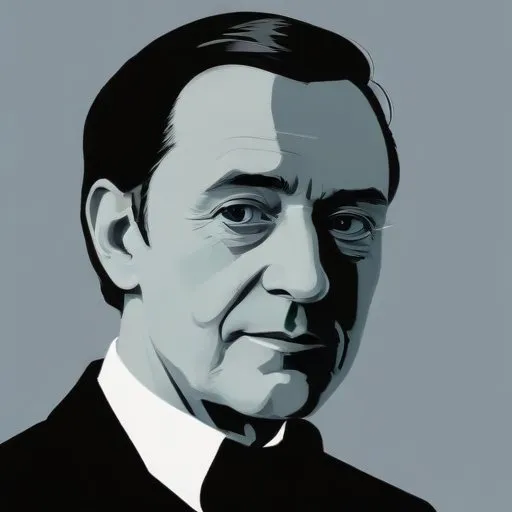
Thomas Arne: The Patriotic Composer of 18th Century Britain
Patriotic Legacy and Enduring Works
Thomas Arne is reverently remembered as the composer of the iconic patriotic song, "Rule, Britannia!", an anthem that has resonated with British patriotism for centuries. Additionally, his catchy tune, "A-Hunting We Will Go", composed for the 1777 production of "The Beggar's Opera", has become a cherished folk song and nursery rhyme.
Early Life and Influences
Born on March 12, 1710, in Covent Garden, London, Arne hails from a family of Catholic recusants. His father and grandfather were both upholsterers, holding office in the Worshipful Company of Upholders of the City of London. Despite facing financial hardships, Arne's father managed to provide him with a privileged education at Eton College. The young composer's passion for music was not deterred by his family's financial struggles; in fact, he would often secretly practice on a spinet in his room at night, muffling the sounds with his handkerchief.
Musical Influences and Mentorship
Arne's introduction to the world of music was facilitated by his encounter with Michael Festing, a musician and composer who would become a significant influence on his life. Festing not only taught Arne to play the violin but also took him to various musical events, including a competition against Thomas Roseingrave for the post of organist at Hanover Square. This experience, coupled with a visit to Oxford in 1733 to hear
George Frideric Handel's oratorio "Athalia", further solidified Arne's resolve to pursue a career in music.
Career Highlights and Major Works
Arne's oeuvre is characterized by a wide range of operatic entertainments, concertos, sinfonias, and sonatas. He worked extensively at the West End's Drury Lane and Covent Garden theatres, composing music for numerous productions. Some of his notable works include:
- "The Masque of Alfred" (1740), which features the iconic "Rule, Britannia!"
- "The Beggar's Opera" (1777), featuring "A-Hunting We Will Go"
- "Artaxerxes" (1762), an opera that showcases Arne's mastery of the genre
- "The judgement of Paris" (1742), a masque that demonstrates his ability to blend music and drama
Philosophical Contributions and Beliefs
Arne's music reflects his strong sense of national pride and patriotism. Through his works, he sought to celebrate British culture and heritage, often incorporating folk melodies and rhythms into his compositions. Additionally, his involvement with the theatre scene of 18th century London demonstrates his commitment to the development of British music and drama.
Historical Context and Legacy
Thomas Arne's contributions to British music and theatre are undeniable. His patriotic compositions continue to evoke feelings of national pride, while his operatic works remain a testament to his innovative spirit and artistic talent. As a leading British theatre composer of the 18th century, Arne's legacy serves as a beacon of inspiration for generations of musicians and composers to come.
Personal Milestones and Key Life Events
Arne's life was marked by both triumph and hardship. Despite facing financial difficulties, he persevered, relying on his talent and dedication to secure a place in the annals of British music history. Some notable events in his life include:
- 1710: Born on March 12 in Covent Garden, London
- 1733: Visited Oxford to hear George Frideric Handel's oratorio "Athalia"
- 1740: Composed "The Masque of Alfred", featuring "Rule, Britannia!"
- 1762: Composed the opera "Artaxerxes"
- 1777: Composed music for "The Beggar's Opera", featuring "A-Hunting We Will Go"
- 1778: Passed away on March 5 in London
Trivia and Fun Facts
Did you know that Arne was known for his mischievous streak? As a young man, he would often sneak into the gallery of the Italian Opera, disguising himself as a liveryman to gain access to the performances!
FAQ
What is Thomas Arnes most famous composition?
Thomas Arnes most famous composition is Rule, Britannia!, a patriotic song that has become an unofficial national anthem of the United Kingdom, written in 1740.
What role did Thomas Arne play in the development of English opera?
Thomas Arne was a pioneer of English opera, composing over 30 operas that helped to establish the genre in England and pave the way for future generations of composers.
How did Thomas Arnes music reflect the cultural context of 18th-century England?
Thomas Arnes music reflected the cultural context of 18th-century England by incorporating elements of folk music, classical music, and literary themes, creating a distinctively English style.
What was Thomas Arnes relationship with Handel?
Thomas Arne was a contemporary and rival of George Frideric Handel, and their musical styles and careers were often compared and contrasted by their contemporaries.
What was Thomas Arnes contribution to the development of the English masque?
Thomas Arnes compositions for the English masque, a form of theatrical entertainment, helped to revive the genre and pave the way for future developments in English musical theater.