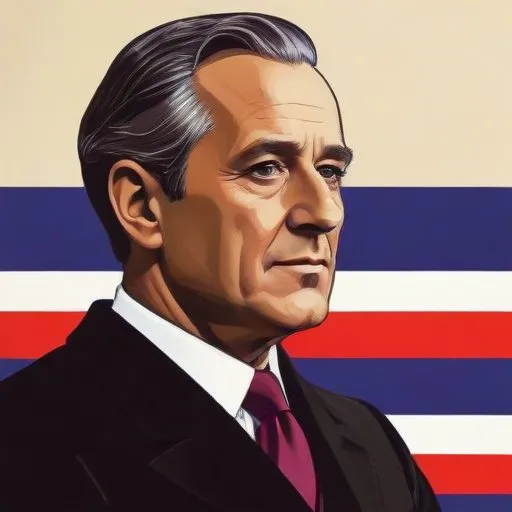
Thomas Cushing: A Revolutionary Leader and Visionary
A Lifetime of Service and Dedication
Thomas Cushing was a renowned American lawyer, merchant, and statesman from Boston, Massachusetts, who played a pivotal role in shaping the country's history. As a prominent figure in Boston politics, he represented the city in the provincial assembly from 1761 to 1774, serving as the lower house speaker for most of those years.
A Passionate Advocate for American Independence
As speaker, Cushing's signature was affixed to numerous documents protesting British policies, earning him the reputation as a "dangerous radical" in the eyes of London officials. Despite this, he continued to engage in extended communications with
Benjamin Franklin, who lobbied on behalf of the legislature's interests in London, seeking ways to reduce the rising tensions of the American Revolution.
A Versatile Leader in Challenging Times
Cushing represented Massachusetts in the First and Second Continental Congresses, where he signed the Continental Association. Although he opposed independence, he remained politically active after the Revolution, continuing to serve in the state government. During the war, he was a commissary responsible for provisioning the military, a position he used to enrich his family's merchant business.
A Legacy of Public Service
In 1780, Cushing was elected as the state's first lieutenant governor, a position he held until his death in 1788. During his tenure, he briefly served as acting governor in 1785 between the resignation of Governor
John Hancock and the election of James Bowdoin.
Early Life and Family Roots
Thomas Cushing was born in Boston on March 24, 1725, the second of at least seven children. His family, with deep roots in the province, descended from Deacon Matthew Cushing, who emigrated from Norfolk, England, to Hingham in 1638. Cushing's father, also named Thomas (1694-1746), was one of the city's wealthiest merchants, a leading member of the Old South Church, and a city selectman.
Personal Milestones and Key Life Events
- 1761-1774: Represented Boston in the provincial assembly
- 1761-1774: Served as speaker of the lower house
- 1774-1776: Represented Massachusetts in the First Continental Congress
- 1775-1776: Signed the Continental Association
- 1776-1780: Represented Massachusetts in the Second Continental Congress
- 1780-1788: Served as lieutenant governor of Massachusetts
- 1785: Briefly served as acting governor of Massachusetts
Impact on Modern Society
Thomas Cushing's contributions to American history are undeniable. His tireless efforts to promote American independence, his dedication to public service, and his commitment to his family's business have left a lasting legacy. As a true patriot and statesman, Cushing's life serves as an inspiration to generations of Americans.
FAQ
What were Thomas Cushings contributions to Massachusetts politics?
Thomas Cushing was a prominent figure in Massachusetts politics, serving as lieutenant governor and playing a key role in shaping the states early development and growth.
How did Thomas Cushings legal career influence his political views?
Thomas Cushings legal career shaped his political views, particularly his commitment to individual rights and liberties, which he championed throughout his political career.
What were Thomas Cushings views on the American Revolution?
Thomas Cushing was a strong advocate for independence from Britain, believing that the colonies had the right to self-governance and that the British government was tyrannical.
How did Thomas Cushings leadership style shape his lieutenant governorship?
Thomas Cushings leadership style was marked by his fairness, integrity, and commitment to the people of Massachusetts, which earned him widespread respect and admiration during his lieutenant governorship.
What is Thomas Cushings legacy in modern times?
Thomas Cushings legacy in modern times is that of a dedicated public servant and champion of individual rights, who played a significant role in shaping Massachusetts early development and growth.