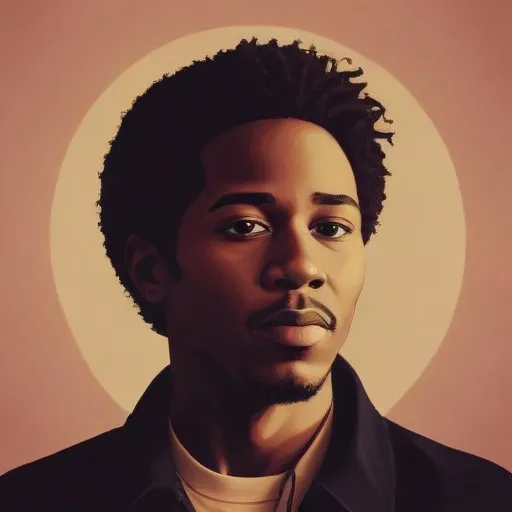
Thomas McClary: The Guitar Virtuoso Behind The Commodores
Legendary Sound and Enduring Legacy
Thomas McClary is renowned as the founder and lead guitarist of the iconic funk/soul band, The Commodores. As the mastermind behind the group's signature sound, McClary's innovative guitar playing and songwriting skills have left an indelible mark on the music industry.
Early Life and Influences
Born on October 6, 1949, in Eustis, Florida, McClary's musical journey began at a very young age. He started playing the ukulele, followed by the acoustic and electric guitar, developing a unique style that would later define The Commodores' sound. As one of the first African American students to integrate the Florida school system, McClary's experiences played a significant role in shaping his artistic vision.
The Commodores and Meteoric Rise to Fame
McClary's chance encounter with
Lionel Richie in the registration line at Tuskegee University led to the formation of The Mystics, which later evolved into The Commodores. With McClary's distinctive guitar playing and songwriting prowess, the band signed with
Berry Gordy's Motown Records in 1972 and went on to achieve unprecedented success. McClary's contributions to hits like "Slippery When Wet," "Brick House," "Too Hot ta Trot," and "I Feel Sanctified" cemented The Commodores' status as funk and soul legends.
Guitar Virtuoso and Songwriting Genius
McClary's guitar solo in "Easy" earned him critical acclaim, with Rolling Stone hailing it as one of the best solo guitar performances of all time. His songwriting skills extended beyond The Commodores, with credits including "Sexy Lady" and "Ooo Woman You," a duet with
Melissa Manchester. McClary's work on songs like "Flying High," "Come Inside," and "Midnight Magic" showcased his exceptional talent as a guitarist and songwriter.
Awards and Accolades
Throughout his career, McClary has received numerous accolades, including multiple Grammy nominations and inductions into the Alabama Music Hall of Fame and the Vocal Group Hall of Fame.
Philosophical Contributions and Beliefs
McClary's music reflects his commitment to social justice and equality. As a pioneer in integrating the Florida school system, he has always used his platform to promote unity and celebrate individuality. His music serves as a testament to the power of creativity in breaking down barriers and fostering understanding.
Personal Milestones and Key Life Events
- 1972: Signed with Berry Gordy's Motown Records
- 1974: Released debut album, "Machine Gun"
- 1977: Released hit single "Brick House"
- 1982: Left The Commodores to pursue solo projects
Legacy and Impact on Modern Society
Thomas McClary's influence on modern music is undeniable. His unique guitar sound and songwriting skills have inspired generations of musicians, from funk and soul legends to contemporary artists. As a pioneer in the music industry, McClary's legacy continues to inspire and uplift, reminding us of the transformative power of music to bring people together and drive social change.
FAQ
What is Thomas McClarys musical style?
Thomas McClarys musical style is a unique blend of R&B, soul, and funk, characterized by his smooth vocals, catchy melodies, and infectious grooves.
What was Thomas McClarys role in the Commodores?
Thomas McClary was a founding member and lead guitarist of the Commodores, one of the most successful soul and funk bands of the 1970s and 1980s. He was a key contributor to the bands hit songs and albums.
What are some of Thomas McClarys most famous songs?
Thomas McClary wrote or co-wrote many of the Commodores biggest hits, including Easy, Three Times a Lady, and Brick House. These songs have become R&B classics and remain popular to this day.
What inspired Thomas McClarys music?
Thomas McClarys music was inspired by a range of influences, including soul, funk, rock, and gospel. He was particularly drawn to the sounds of Motown and the music of artists like James Brown and Sly Stone.
What is Thomas McClarys legacy in music?
Thomas McClarys legacy in music is as a key figure in the development of soul and funk in the 1970s and 1980s. His contributions to the Commodores success helped to shape the sound of R&B and paved the way for future generations of musicians.