


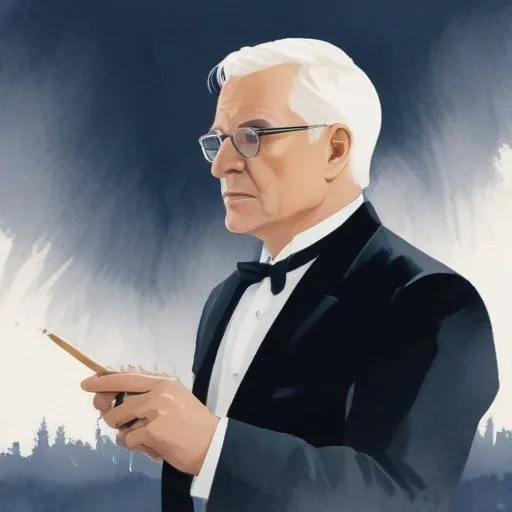
A Finnish maestro who crafted a unique blend of folk and classical music, leaving an indelible mark on his country's cultural heritage.
Toivo Kuula, a Finnish composer and conductor, is renowned for his lush, Romantic-era masterpieces that evoke the essence of Finnish nature and people. His extensive oeuvre includes numerous works for voice and orchestra, earning him recognition as a master of choral music.
Born on July 7, 1883, in Vehkakoski, Finland, Kuula was registered as a native in the city of Vaasa. He began his musical journey under the guidance of Jean Sibelius, Finland's national composer, from 1906 to 1908. This mentorship had a profound impact on Kuula's development as a composer.
Kuula's most celebrated works include his cantata Stabat Mater, which showcases his exceptional skill in crafting melodic choir and vocal pieces. Additionally, he composed two Ostrobothnian Suites for orchestra, a violin sonata, a piano trio, and an unfinished symphony. His instrumental works demonstrate his versatility and command of various genres.
Kuula was an ardent Fennoman, advocating for Finnish nationalism and cultural identity. Tragically, his life was cut short on Walpurgis Night, May 18, 1918, when he was mortally wounded in a drunken quarrel with a Jäger, a Finnish marksman. He died 18 days later in the provincial hospital in Viipuri.
Kuula's music has been praised for its ability to evoke deep emotions and self-reflection. A Swedish critic once noted that Kuula's music "reaches parts of the human spirit where one is forced to deep examination of one's self." His contributions to Finnish music and culture have cemented his position as one of the nation's most beloved composers.
Kuula's wife, Alma Kuula, a talented singer, premiered many of his songs. Their partnership was a testament to the strong bond between the composer and his muse.
Kuula's music is characterized by its lyricism and emotional intensity. As one critic observed, "Kuula's music is a window into the Finnish soul."
Kuula's compositions continue to inspire and influence contemporary Finnish music. His legacy serves as a reminder of the importance of preserving cultural heritage and national identity.
In recognition of his significant contributions to Finnish music, Kuula received numerous awards and accolades during his lifetime.
In conclusion, Toivo Kuula's life and music serve as a testament to the power of creativity and national pride. His legacy continues to inspire and captivate audiences, solidifying his position as one of Finland's most beloved composers.
Born in 1865
A Finnish master of classical music, renowned for his symphonies and tone poems that evoke the mystique of his native land. His iconic works, such as "Finlandia," have become synonymous with Finnish culture.
Born in 1866
A renowned pianist, composer, and conductor who blurred the lines between classical and modern music, creating a unique fusion of styles and influencing generations of musicians to come.
Born in 1875
A Finnish composer who created over 150 works, including symphonies, operas, and chamber music, known for his romantic and nationalistic style. His music is still widely performed in Finland today.
Born in 1868
A Finnish pianist and composer who created a wide range of works, including operas, symphonies, and chamber music, known for his Romantic-era style and nationalistic themes.
Born in 1887
A Finnish composer and music critic, known for his romantic and nationalistic style, influencing the development of Finnish classical music. His works include symphonies, operas, and chamber music.
