


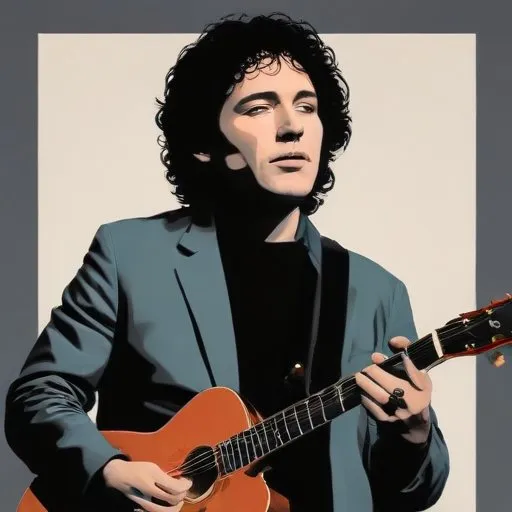
A pioneering figure in the neofolk genre, known for his poetic lyrics and eclectic blend of folk, rock, and post-punk elements.
Tony Wakeford, better known by his moniker Sol Invictus, is a British neofolk musician who has been making waves in the underground music scene since the late 1980s. With his unique blend of acoustic guitar playing, neoclassical instrumentation, and industrial elements, Wakeford has established himself as a pioneer in the genre.
Born on May 2, 1959, Wakeford's early life was shaped by his involvement in the punk rock movement. He was the bassist for the English punk rock band Crisis, an openly left-wing and anti-fascist group that performed at events organized by Rock Against Racism and the Anti-Nazi League.
In the early 1980s, Wakeford co-founded the band Death in June with Crisis guitarist Douglas Pearce and Patrick Leagas. However, his membership in the National Front UK and the Odinic Rite, a neopagan organization, led to his dismissal from the band in 1984.
Following his departure from Death in June, Wakeford formed the post-punk band Above the Ruins, which released a demo album in 1984. The band's lyrics denounced communism, capitalism, and liberalism, and received a favorable review from the National Front's journal, Nationalism Today.
In 1987, Wakeford distanced himself from his right-wing views and formed the neofolk band Sol Invictus, adapting the name from a cult that predated Christianity. The band's music combined acoustic guitar playing and neoclassical instrumentation with elements of industrial music.
Wakeford's music has been characterized by its introspective and romantic nature, exploring themes of love, loss, and existential crises. His lyrics often touch on philosophical and occult concepts, reflecting his interest in paganism and mysticism.
Sol Invictus's music has inspired a generation of musicians and fans alike, influencing the development of the neofolk genre and beyond. Wakeford's unique sound has also transcended the boundaries of the underground scene, attracting listeners from diverse musical backgrounds.
Wakeford's past associations with right-wing organizations have been a subject of controversy, with some critics accusing him of promoting fascist ideology. However, Wakeford has since denounced his involvement with the National Front, describing it as "probably the worst decision of my life."
Tony Wakeford's influence on the music scene extends beyond his own creations. As a pioneer of the neofolk genre, he has paved the way for subsequent generations of musicians. His music continues to inspire and provoke, a testament to his enduring legacy as a cultural iconoclast.
Wakeford's personal journey has been marked by transformation and growth, as he distanced himself from his early right-wing associations and embraced a more inclusive and eclectic worldview.
Wakeford's contributions to the music scene have been recognized through various accolades, including critical acclaim and a devoted fan base.
Sol Invictus's music has been featured in various films, television shows, and literary works, further cementing Wakeford's influence on popular culture.
Wakeford has used his platform to raise awareness about social and environmental issues, supporting charitable causes and organizations through his music.
Tony Wakeford's story serves as a testament to the power of transformation and redemption. From his early controversial associations to his later embracement of a more inclusive worldview, Wakeford's journey inspires us to re-examine our own beliefs and values.
66 Years Old
A Scottish singer-songwriter and guitarist known for her dreamy, ethereal sound and contributions to the 1980s post-punk and gothic rock scenes. She's a cult favorite among fans of underground music.
