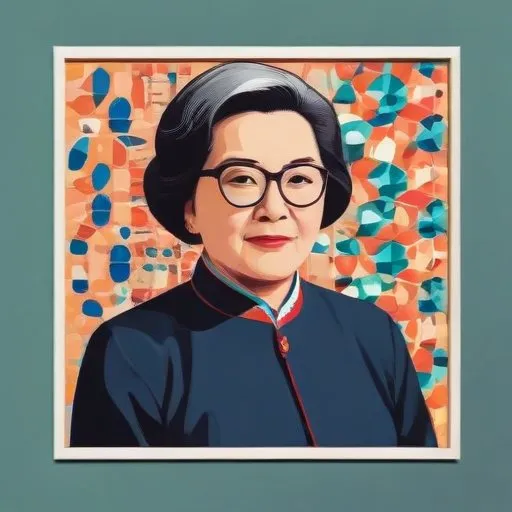
Tu Youyou: The Malaria Maverick
Breakthrough Discoveries in Tropical Medicine
Tu Youyou is renowned for her groundbreaking discovery of artemisinin, a naturally occurring compound derived from the sweet wormwood plant, which has revolutionized the treatment of malaria. This Chinese malariologist and pharmaceutical chemist's pioneering work has saved millions of lives worldwide, earning her the esteemed 2015 Nobel Prize in Physiology or Medicine.
Early Life and Inspiration
Born on December 30, 1930, in Ningbo, Zhejiang, China, Tu's early life was marked by a fascination with medicine. Her father, a keen student of traditional Chinese medicine, named her Youyou, inspired by a poem from the Chinese Book of Odes, which would later prove to be a serendipitous connection to her life's work. A bout of tuberculosis during her high school years further solidified her resolve to pursue a career in medical research.
Education and Career
Tu attended Peking University Medical School (now Beijing Medical College) from 1951 to 1955, where she graduated with a degree in pharmacy. She continued her research on Chinese herbal medicine at the China Academy of Chinese Medical Sciences, delving into the realm of traditional Chinese medicine. Her rigorous training and dedication led to her appointment as a researcher at the Academy, where she would go on to make her monumental discovery.
The Artemisinin Breakthrough
In the 1960s, Tu embarked on a research project to develop an anti-malarial drug using traditional Chinese medicine. Through meticulous screening of ancient Chinese medical texts, Tu identified the sweet wormwood plant as a potential source of an effective treatment. Her exhaustive experiments and innovative extraction techniques led to the isolation of artemisinin, a potent compound that would change the face of malaria treatment. This breakthrough discovery paved the way for the development of more effective remedies, including dihydroartemisinin.
Awards and Honors
Tu's groundbreaking work has been recognized with numerous prestigious awards, including:
- 2011 Lasker Award in Clinical Medicine
- 2015 Nobel Prize in Physiology or Medicine (jointly with William C. Campbell and Satoshi Ōmura)
Tu's achievements have cemented her place as the first Chinese Nobel laureate in physiology or medicine and the first female citizen of the People's Republic of China to receive a Nobel Prize in any category.
Legacy and Impact
Tu's tireless efforts have had a profound impact on modern society, saving countless lives and alleviating the burden of malaria on communities worldwide. Her work has inspired a new generation of researchers, fostering cross-cultural collaboration and advancing our understanding of traditional medicine.
Personal Quotes and Philosophy
Tu's humble dedication to her craft is reflected in her words: "I'm not a hero, I'm just a scientist. I'm just doing my job." Her relentless pursuit of knowledge and commitment to improving human lives serve as a testament to her unwavering passion for science and humanity.
Tu Youyou: A Life of Purpose
Through her remarkable journey, Tu Youyou has demonstrated the power of human ingenuity, perseverance, and dedication. Her extraordinary accomplishments serve as a beacon, inspiring us to push the boundaries of scientific discovery and make a meaningful difference in the world.
FAQ
What is Tu Youyous most significant contribution to medicine?
Tu Youyou is credited with discovering artemisinin, a groundbreaking treatment for malaria that has saved millions of lives worldwide.
How did Tu Youyou develop her interest in traditional Chinese medicine?
Tu Youyou was inspired by her familys tradition of practicing traditional Chinese medicine and went on to study and research the subject extensively.
What is Tu Youyous legacy in the fight against malaria?
Tu Youyous discovery of artemisinin has revolutionized the treatment of malaria, earning her the Nobel Prize in Physiology or Medicine in 2015.
Has Tu Youyou received any other awards or honors?
Yes, Tu Youyou has received numerous awards and honors for her work, including the Lasker-DeBakey Clinical Medical Research Award and the National Medal of Science.
What is Tu Youyous impact on global health?
Tu Youyous work has had a profound impact on global health, improving treatment outcomes and saving countless lives in malaria-endemic regions around the world.