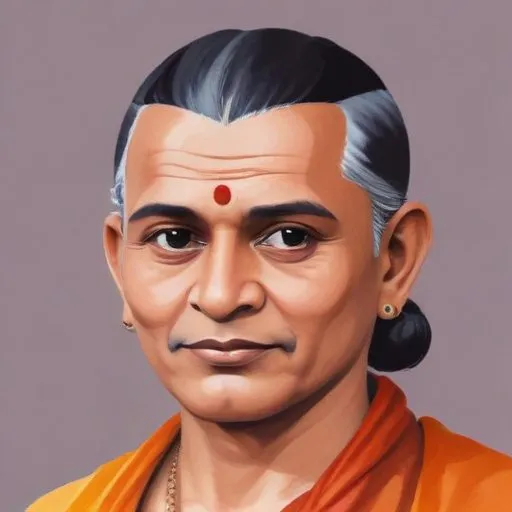
Tyagaraja: The Unparalleled Saint-Composer of Carnatic Music
A Legacy of Devotional Compositions
Tyagaraja is renowned for his profound contributions to Carnatic music, a traditional form of Indian classical music. With an estimated 600-700 compositions, he is credited with popularizing this genre, making it an integral part of India's cultural heritage.
Life and Background
Born in 1767, Tyagaraja was the third son of a Telugu Vaidiki Mulakanadu Brahmin family in Tiruvarur, Tamil Nadu. His family belonged to the Smarta tradition and Bharadvaja gotra. Growing up in a musically inclined family, Tyagaraja was drawn to music from an early age.
The Trinity of Carnatic Music
Tyagaraja, along with his contemporaries Shyama Shastri and
Muthuswami Dikshitar, forms the Trinity of Carnatic music. This triumvirate revolutionized the genre, elevating it to new heights of artistic expression.
Pancharatna Kritis: The Five Gems
Among Tyagaraja's numerous compositions, five stand out as the Pancharatna Kritis, or the Five Gems. These masterpieces are revered for their technical brilliance, poetic richness, and emotional depth. They are often performed in programs dedicated to Tyagaraja, showcasing his mastery over the genre.
- Jagadanandakaraka
- Dudukugala
- Sadhinchane
- Kanukonteti
-
Philosophical Contributions
Tyagaraja's compositions are infused with philosophical and spiritual themes, reflecting his deep understanding of Hinduism and the Bhakti movement. His music transcends mere entertainment, instead, it serves as a means to connect with the divine.
Personal Milestones and Key Life Events
Despite living during the reigns of four kings of the Maratha dynasty, Tyagaraja remained independent, choosing not to serve any of them. This autonomy allowed him to focus on his art, unencumbered by royal patronage.
Influence on Modern Society
Tyagaraja's legacy extends far beyond his lifetime. His compositions continue to inspire generations of musicians, musicologists, and enthusiasts. His music has been recognized as an integral part of India's cultural heritage, with numerous festivals and concerts celebrating his works.
Quotes and Memorable Sayings
"In music, there is no distinction between the composer and the listener. Both are equal, for the listener is the composer's soul." - Tyagaraja
Historical Context and Legacy
Tyagaraja's contributions to Carnatic music have cemented his position as one of the most revered figures in Indian classical music. His compositions continue to evoke emotions, inspire devotion, and bridge cultural divides.
Comparative Analysis with Contemporaries
While Tyagaraja, Shyama Shastri, and Muthuswami Dikshitar are often regarded as the Trinity of Carnatic music, each composer brought unique perspectives to the genre. Tyagaraja's emphasis on devotional themes, technical innovation, and poetic richness set him apart from his contemporaries.
Predictions and Speculations
As Carnatic music continues to evolve, Tyagaraja's compositions remain a timeless testament to the genre's potential. His legacy will undoubtedly continue to inspire new generations of musicians, propelling the art form forward.
Trivia and Fun Facts
Tyagaraja was known for his humility and simplicity. He lived a simple life, often neglecting his personal needs for the sake of his music.
Awards and Honors
Tyagaraja's contributions have been recognized through various awards and honors, including the title of 'Saint-Composer.' His compositions continue to be performed and celebrated globally, reinforcing his stature as a musical giant.