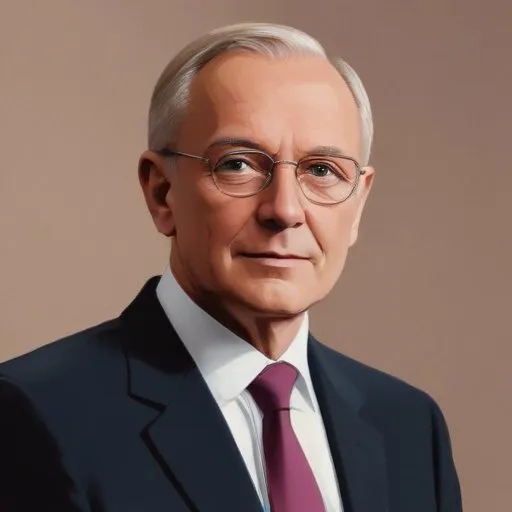
Ulrich Ochsenbein: A Swiss Polymath of Unwavering Conviction
A Legacy of Service and Leadership
Ulrich Ochsenbein is renowned for his multifaceted career as a jurist, military officer, and politician, which culminated in his tenure as a member of the Swiss Federal Council from 1848 to 1854. Throughout his life, he demonstrated unwavering dedication to his country, often taking bold stands in the face of adversity.
Early Life and Education
Born on November 24, 1811, in Schwarzenegg, near Thun, Ochsenbein was the second of ten children to peasant parents who also operated a tavern and horse merchant business. His close relationship with his mother had a profound impact on his life. The family later relocated to Valais, where Ochsenbein attended school in Granges-Marnard for seven years, receiving instruction from a French soldier, which enabled him to learn the French language. In 1825, his family moved to Nidau, where he learned German. He then attended the Gymnasium in Biel, studying the old languages, and later pursued law at the Academy in Bern, graduating in December 1834.
Professional and Military Career
Ochsenbein's law firm, established with his brother-in-law Eduard Sury in 1835, was based in Nidau, where he also served as president of the municipal council. During this period, he represented Vingelz against the Abbey in St. Urban, albeit unsuccessfully, between 1839 and 1841. His military career began in 1833 as a Feldwebel in the federal intervention in Basel Country, followed by his promotion to Unterleutnant in the artillery in 1834. He became a Lieutenant in 1836 and was deployed to the Bernese Jura. In 1838, he played a crucial role in defending Switzerland's borders against French threats, which ultimately led to Louis
Napoleon Bonaparte's voluntary departure from Swiss territory.
Leadership and Controversy
Ochsenbein's leadership in the unsuccessful second Freischarenzug against Lucerne in 1845 remains a controversial chapter in his life. The attack resulted in over a hundred deaths and the capture of 2000 prisoners by Lucerne. This event, although ill-fated, showcases Ochsenbein's unwavering commitment to his convictions, even in the face of adversity.
Legacy and Impact
Ulrich Ochsenbein's remarkable contributions to Swiss politics, law, and military have left an indelible mark on his country's history. His tenacity and leadership continue to inspire generations, serving as a testament to the power of conviction and dedication. Through his multifaceted career, Ochsenbein has cemented his place as a prominent figure in Swiss history, an embodiment of the country's values of resilience and determination.
Personal Milestones and Key Life Events
- November 24, 1811: Born in Schwarzenegg, near Thun
- 1825: Family moves to Nidau
- 1830: Begins studying law at the Academy in Bern
- 1834: Graduates and becomes a prokurator
- 1835: Establishes law firm with brother-in-law Eduard Sury
- 1839-1841: Represents Vingelz against the Abbey in St. Urban
- 1845: Leads the unsuccessful second Freischarenzug against Lucerne
- 1848-1854: Serves as a member of the Swiss Federal Council
- November 3, 1890: Passes away
Philosophical Contributions and Beliefs
Throughout his life, Ochsenbein exhibited a strong sense of justice and a commitment to upholding the law. His leadership in the second Freischarenzug, although controversial, demonstrates his unwavering dedication to his convictions, even in the face of overwhelming opposition. This steadfastness is a testament to his unshakeable belief in the importance of standing by one's principles, regardless of the consequences.
FAQ
What was Ulrich Ochsenbeins role in Swiss politics?
Ulrich Ochsenbein was a Swiss lawyer and politician who served as President of the Swiss National Council, playing a key role in shaping Swiss politics during the mid-19th century.
What were Ulrich Ochsenbeins views on Swiss federalism?
Ochsenbein was a strong supporter of Swiss federalism, believing that a strong central government was necessary to unify the country and protect its independence.
How did Ulrich Ochsenbeins legal background influence his politics?
Ochsenbeins legal training and experience as a lawyer informed his approach to politics, and he was known for his attention to detail and commitment to upholding the rule of law.
What was Ulrich Ochsenbeins stance on economy and trade?
Ochsenbein believed in free trade and economic liberalism, and he worked to promote economic development and growth in Switzerland during his time in office.
How is Ulrich Ochsenbein remembered in Swiss history?
Ochsenbein is remembered as a key figure in Swiss politics during the 19th century, known for his commitment to federalism, the rule of law, and economic development.