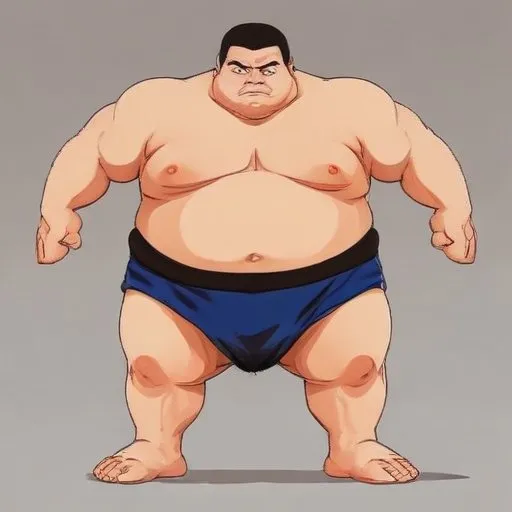
Umegatani Ttar I: The Unyielding Yokozuna of Japanese Sumo
The Strongest Wrestler of His Era
Umegatani Ttar I, born Oe Ttar, is renowned as the 15th yokozuna in Japanese professional sumo wrestling, celebrated for his unparalleled strength and unwavering dominance in the sport during the late 19th century. His impressive career, which spanned over three decades, is marked by an unprecedented 58-consecutive-bout winning streak, earning him the esteemed title of "invincible" among his contemporaries.
Early Life and Career
Born on March 16, 1845, in Haki, Chikuzen Province (now Shiwa, Fukuoka Prefecture), Umegatani began his wrestling journey at the tender age of 12, attending a temple school where he honed his skills. By 16, he was already known as Chikuzen Muteki, or "invincible," a testament to his remarkable talent. In 1869, he joined the Osaka Sumo Association, taking on the shikona (ring name) Umegae, and later, Umegatani, in honor of his hometown, Umegaya in Shiwa Village.
Rise to Prominence
Umegatani's exceptional strength and agility quickly propelled him through the ranks, earning him promotion to komusubi in the Osaka Sumo Tournament of 1869. However, dissatisfied with his rank, he relinquished it and transferred to Tokyosumo in December 1870, restarting his career from the bottom. This bold move led to him being recruited into Tamagaki stable, where he continued to excel.
A Period of Dominance
Between 1876 and 1881, Umegatani achieved an unprecedented 58-consecutive-bout winning streak, solidifying his position as the most dominant wrestler of his time. During this period, he demonstrated unwavering calm and bravery, remaining in Fukuoka Prefecture to play a key role in pacifying a conflict between wrestlers and rebels in 1876.
Legacy and Impact
Umegatani Ttar I's remarkable career has left an indelible mark on Japanese sumo wrestling. His unyielding spirit, exceptional strength, and unwavering dedication to the sport have inspired generations of sumo wrestlers. His legacy extends beyond the sport itself, as he played a significant role in maintaining peace and order during a tumultuous period in Japanese history.
Personal Milestones and Key Life Events
- March 16, 1845: Born in Haki, Chikuzen Province (now Shiwa, Fukuoka Prefecture)
- 1869: Joined the Osaka Sumo Association and took on the shikona Umegae
- 1870: Transferred to Tokyosumo and restarted his career from the bottom
- 1876: Achieved an unprecedented 58-consecutive-bout winning streak
- 1876: Played a key role in pacifying a conflict between wrestlers and rebels in Fukuoka Prefecture
- May 15, 1928: Passed away, leaving behind a legacy that continues to inspire sumo wrestlers to this day
Umegatani Ttar I's unwavering determination and unshakeable calm in the face of adversity can be summed up in his own words: "A true warrior never falters, even in the face of insurmountable odds."
FAQ
What was Umegatani Tōtarō Is role in sumo wrestling?
Umegatani Tōtarō I was a Japanese sumo wrestler who held the rank of yokozuna, the highest rank in the sport. He was known for his technical skills and his innovative style of wrestling.
What inspired Umegatani Tōtarō Is interest in sumo wrestling?
Umegatani Tōtarō Is interest in sumo wrestling was inspired by his love of the sport and his desire to perfect his technical skills. He was particularly drawn to the spiritual and philosophical aspects of sumo.
What is Umegatani Tōtarō I most known for?
Umegatani Tōtarō I is most known for his innovative style of wrestling, which emphasized speed, agility, and technical skill. He is also recognized for his contributions to the development of sumo wrestling as a sport.
How did Umegatani Tōtarō Is sumo career influence his personal life?
Umegatani Tōtarō Is sumo career had a significant impact on his personal life, providing him with a sense of discipline, focus, and purpose. His experiences as a sumo wrestler also influenced his relationships and his overall worldview.
What is Umegatani Tōtarō Is legacy in sumo wrestling?
Umegatani Tōtarō Is legacy in sumo wrestling is significant. He played a key role in shaping the development of the sport and his innovative style of wrestling continues to influence sumo wrestlers today.