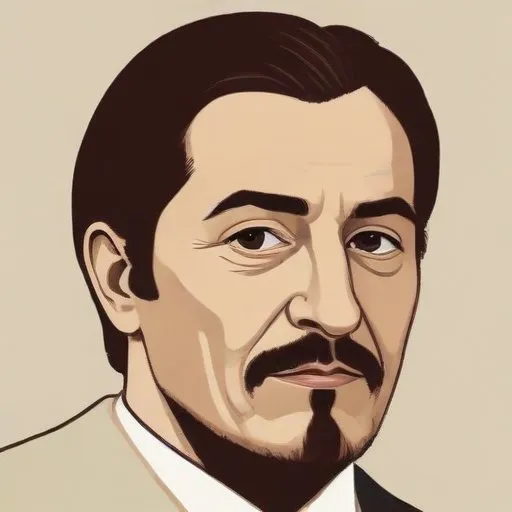
V. A. Urechia: The Pioneering Romanian Historian and Author
A Legacy of Cultural and Educational Contributions
V. A. Urechia, born Vasile Alexandrescu Urechia, was a renowned Romanian historian, Romantic author, and academic who left an indelible mark on the country's cultural and intellectual landscape. He is best known for his groundbreaking historical syntheses, extensive bibliographic research, and contributions to the fields of heraldry, ethnography, and folklore.
Early Life and Academic Pursuits
Born on February 15, 1834, in Moldavia, Urechia's early life was marked by a passion for learning and a deep interest in his country's history and culture. He went on to study at the University of Iași and later at the University of Bucharest, where he earned a degree in philosophy.
Founding Member of the Romanian Academy
Urechia's academic prowess and dedication to promoting Romanian culture led to his election as one of the founding members of the Romanian Academy in 1866. This prestigious institution aimed to promote scientific research, literature, and art, and Urechia played a pivotal role in shaping its mission and objectives.
Corresponding Member of the Royal Spanish Academy
Urechia's fluency in Spanish and frequent travels to Spain earned him recognition as a corresponding member of the Royal Spanish Academy. This honor underscores his ability to connect with scholars and intellectuals beyond Romania's borders, fostering a spirit of international cooperation and cultural exchange.
Author and Playwright
Urechia's literary talents extended to historical fiction and plays, which reflected his Romantic worldview and deep appreciation for Romania's rich cultural heritage. His works often explored themes of national identity, history, and the human condition, captivating audiences and inspiring a new generation of writers and intellectuals.
A Champion of Romanianism
As an ideologue, Urechia developed the concept of Romanianism, a cultural and political movement that sought to promote cooperation among Romanians from different historical regions. This vision aimed to unite the nation and foster a sense of shared identity, paving the way for greater cultural and political cooperation.
Public Service and Political Activism
Urechia's commitment to public service and political activism led to various appointments, including Moldavian Minister of Religious Affairs and member of the National Liberal Party. He represented Covurlui County in the Romanian Kingdom's Chamber of Deputies and Senate for over three decades, advocating for educational reforms and cultural development.
Education Minister and Cultural Reformer
Urechia's dedication to education and cultural reform earned him the position of Education Minister under two successive National Liberal administrations. During the 1890s, he founded the Cultural League for the Unity of All Romanians, which aimed to promote the aspirations of Romanians living in Austria-Hungary.
Awards and Honors
Urechia's numerous achievements and contributions to Romanian culture and education earned him various awards and honors, solidifying his reputation as a pioneering figure in the country's intellectual and cultural landscape.
Legacy and Impact
V. A. Urechia's remarkable legacy extends far beyond his numerous achievements. He inspired generations of Romanian intellectuals, historians, and writers, leaving an indelible mark on the country's cultural and educational landscape. Today, his work remains a testament to the power of cultural and intellectual pursuits, shaping the course of Romanian history and fostering a sense of national identity.
FAQ
What were the contributions of V. A. Urechia to Moldavian-Romanian literature?
V. A. Urechia was a prolific historian, author, and playwright who made significant contributions to Moldavian-Romanian literature. He wrote extensively on the history and culture of Moldavia and Romania.
What was V. A. Urechias most notable work?
One of V. A. Urechias most notable works is the Istoria Românilor (History of the Romanians), a comprehensive history of the Romanian people.
What were V. A. Urechias views on Romanian identity and nationalism?
V. A. Urechia was a strong advocate for Romanian identity and nationalism. He believed in the importance of preserving Romanian culture and promoting national unity.
What was V. A. Urechias role in the literary circle Junimea?
V. A. Urechia was a member of the influential literary circle Junimea, which played a significant role in shaping Romanian literature and culture.
What were V. A. Urechias views on education and cultural development?
V. A. Urechia believed in the importance of education and cultural development for the advancement of Romanian society. He advocated for the establishment of educational institutions and cultural organizations.