


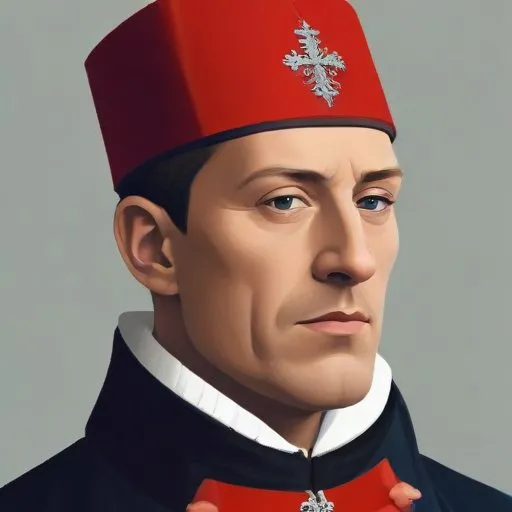
Unified Denmark, established a strong monarchy, and launched a crusade against the Wends.
Known as Valdemar the Great, King Valdemar I of Denmark reigned from 1154 to 1182, leaving an indelible mark on the country's history. During his rule, Denmark reached its medieval zenith, setting the stage for his son, King Valdemar II, to build upon his legacy.
Valdemar was born on January 14, 1131, to Canute Lavard, Duke of Schleswig, and Ingeborg of Kiev. His father's untimely murder by King Magnus I of Sweden just days before his birth would shape his destiny. Raised at Ringsted in the court of Asser Rig of Fjenneslev, Valdemar was surrounded by influential figures, including Absalon, who would become an archbishop and crusader, and Esbern Snare, a royal chancellor and crusader.
In 1146, at just 15 years old, Valdemar found himself embroiled in a civil war following King Eric III's abdication. Alongside Sweyn III Grathe and Canute V, he vied for the throne, engaging in a decade-long struggle for power. In 1154, Valdemar formed an alliance with Canute, and the two were recognized as co-kings. However, the fragile peace was short-lived, as Canute was killed at the Bloodfeast of Roskilde in August 1157. Valdemar seized the opportunity, defeating Sweyn and solidifying his position as the rightful King of Denmark.
During his reign, Valdemar I worked tirelessly to strengthen Denmark's position. He established a strong centralized government, reformed the church, and promoted trade and commerce. His military campaigns expanded Denmark's borders, incorporating southern provinces and securing territories from Sweden and the Holy Roman Empire.
Valdemar's close relationships with Absalon and Esbern shaped his reign. The trio formed a powerful alliance, with Absalon serving as both archbishop and military strategist. Their bond was instrumental in Valdemar's success, and he would later name Absalon as his son's regent.
Valdemar I's reign marked a golden age for Denmark, setting the stage for his son's continued success. His reforms and military conquests established Denmark as a major power in the region, paving the way for its growth into a prominent European nation.
Valdemar I's reign was instrumental in shaping Denmark's medieval history. His reforms, military conquests, and alliances with powerful nobles and clergy cemented his position as one of Denmark's most influential monarchs. His legacy continued through his son, King Valdemar II, who built upon his father's achievements, securing Denmark's position as a major European power.
