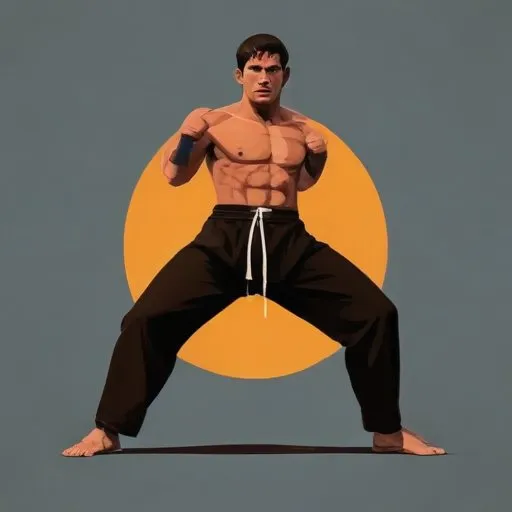
Vicente Ferreira Pastinha: The Philosopher of Capoeira
The Guardian of Traditional Capoeira Angola
Vicente Ferreira Pastinha, affectionately known as Mestre Pastinha, is a Brazilian martial arts legend revered for his immense contribution to the preservation and promotion of traditional Capoeira Angola. This iconic figure is lauded for his exceptional skills, philosophical approach, and dedication to maintaining the integrity of this Afro-Brazilian martial art.
A Life of Passion and Purpose
Born on April 5, 1889, in Salvador, Bahia, Brazil, Pastinha's life was marked by a deep passion for Capoeira Angola. His introduction to the art form was sparked by a need for self-defense, which led him to learn from an elderly African neighbor, Benedito, native of Angola. This initial training laid the foundation for his remarkable journey, which would later earn him the title of "Philosopher of Capoeira."
A Unique Approach to Capoeira
Pastinha's approach to Capoeira Angola was characterized by his emphasis on agility, quickness, and intelligence. He rejected the introduction of new kicks, choosing instead to focus on mastering the fundamental techniques of cabeada, rasteira, rabo de arraia, chapa de frente, chapa de costas, meia lua, and cutilada de mo. This methodology allowed his students to develop a strong jogo de dentro (inner game), which is the hallmark of traditional Capoeira Angola.
Wisdom Through Aphorisms
Pastinha's philosophical nature was reflected in his use of aphorisms, which he employed to convey the essence of Capoeira Angola. These wise sayings not only inspired his students but also served as a guiding force in his mission to separate Capoeira Angola from violence.
A Legacy Through Disciples
Two of Pastinha's most notable disciples were Mestres João Pequeno and João Grande. These influential capoeiristas went on to become prominent figures in their own right, carrying forward the teachings and philosophy of their revered mentor.
Early Life and Influences
Little is known about Pastinha's family background, except that his mother, Maria Eugenia Ferreira, was a black woman from Bahia, and his father, José Pastia, was a Spanish peddler. At the age of 12, Pastinha began his apprenticeship at the Navy School in Salvador, where he received instruction in fencing.
Awards and Honors
Pastinha's remarkable contributions to Capoeira Angola were recognized through various awards and honors, including his induction into the Brazilian Academy of Sports.
Impact on Modern Society
Pastinha's influence extends beyond the realm of Capoeira Angola, inspiring a new generation of martial artists, dancers, and enthusiasts worldwide. His legacy serves as a testament to the importance of preserving traditional cultural heritage and promoting non-violent conflict resolution.
Legacy and Historical Context
Mestre Pastinha's life and teachings are a reflection of the cultural and historical context in which he lived. His dedication to preserving Capoeira Angola has ensured the continued relevance and popularity of this unique martial art, which has become an integral part of Brazilian cultural identity.
Philosophical Contributions and Beliefs
Pastinha's philosophical approach to Capoeira Angola emphasized the importance of discipline, respect, and self-control. He believed that the true essence of Capoeira lay not in physical prowess, but in the development of one's inner self. This philosophy continues to inspire generations of capoeiristas, fostering a deeper understanding of the art form and its cultural significance.
Personal Milestones and Key Life Events
- 1889: Born on April 5th in Salvador, Bahia, Brazil
- 1901: Began apprenticeship at the Navy School in Salvador
- 1920s: Established himself as a prominent figure in Capoeira Angola
- 1950s: Founded the Centro Esportivo de Capoeira Angola (CECA) in Salvador
- 1981: Passed away on November 13th at the age of 92
Trivia and Fun Facts
- Pastinha was known for his exceptional agility and quickness, even in his seventies.
- He was a strong advocate for the importance of maintaining the traditional roots of Capoeira Angola.
- His students often referred to him as "Mestre" (Master) or "Vovô" (Grandfather), signifying their deep respect for him.
Mestre Pastinha's remarkable life and legacy serve as a testament to the power of dedication, discipline, and philosophical inquiry. His influence on Capoeira Angola continues to inspire new generations, ensuring the preservation of this unique and captivating martial art.