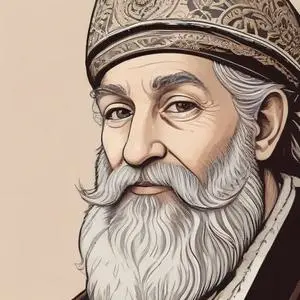
Vilna Gaon: The Genius from Vilnius
A Towering Figure in Rabbinic Study
The Vilna Gaon, also known as Elijah ben Solomon Zalman, is renowned for his exceptional erudition and influence on Jewish thought, earning him the title of one of the most important figures in rabbinic study since the Middle Ages. Through his meticulous annotations and emendations of Talmudic and other texts, he has left an indelible mark on the Jewish community, shaping the course of Jewish scholarship and practice.
Early Life and Education
Born on April 23, 1720, in Sielec, Belarus, the Vilna Gaon displayed prodigious talent from a tender age. By the time he was twenty, rabbis were submitting their most challenging halakhic problems to him for legal rulings, a testament to his extraordinary intellect.
Writings and Contributions
The Vilna Gaon was a prolific author, producing a wide range of works that have become cornerstones of Jewish study. His notable writings include:
- Biurei haGra (Elaborations by the Gra): a comprehensive commentary on the Babylonian Talmud and Shulchan Aruch.
- Shenoth Eliyahu (The Years of Elijah): a running commentary on the Mishnah.
- Adereth Eliyahu (The Cloak of Elijah): insights on the Pentateuch, published posthumously by his son.
- Commentaries on the Proverbs and other books of the Tanakh.
- Kabbalistic works, including commentaries on the Zohar and other texts.
Opposition to Hasidism
When Hasidic Judaism began to gain influence in his native town, the Vilna Gaon joined the opposition, rejecting what he saw as excessive emotionalism and advocating for a more traditional, rational approach to Jewish practice.
Legacy and Influence
The Vilna Gaon's impact on Jewish thought and practice extends far beyond his own lifetime. His writings have shaped the course of Jewish scholarship, and his minhag, known as the minhag haGra, remains an important part of Ashkenazi Jewish tradition. Many yeshivas and communities uphold his customs and rites, considering them the prevailing minhag in Jerusalem.
Personal Milestones and Key Life Events
Despite his remarkable achievements, the Vilna Gaon's life was marked by personal struggles and challenges. He faced opposition from Hasidic leaders, who saw him as a threat to their movement, and was forced to flee his hometown to avoid persecution.
Philosophical Contributions and Beliefs
The Vilna Gaon's philosophical contributions were characterized by a commitment to rational inquiry and a rigorous approach to Talmudic study. He believed in the importance of maintaining the integrity of Jewish tradition, while also acknowledging the need for careful analysis and criticism.
Lasting Impact
The Vilna Gaon's legacy continues to inspire and influence Jewish scholars and communities around the world. His writings remain a testament to his exceptional erudition and dedication to the pursuit of knowledge, earning him a place among the greatest figures in Jewish history.
FAQ
What was the Vilna Gaons role in Jewish scholarship?
The Vilna Gaon was a towering figure in Jewish scholarship, renowned for his mastery of Talmudic studies, biblical commentary, and Jewish philosophy. He wrote extensively on various subjects, providing insights that shaped Jewish thought and practice.
What was the Vilna Gaons approach to Talmudic studies?
The Vilna Gaons approach to Talmudic studies was characterized by his meticulous attention to detail, his emphasis on textual analysis, and his commitment to uncovering the deeper meanings of the Talmud.
What was the Vilna Gaons relationship with the Jewish community of Vilna?
The Vilna Gaon had a close relationship with the Jewish community of Vilna, serving as their spiritual leader and guiding them in matters of Jewish law and tradition.
What was the Vilna Gaons significance in Jewish history?
The Vilna Gaon was significant in Jewish history because he helped revitalize Jewish scholarship and promoted a return to traditional Jewish values and practices.
What is the Vilna Gaons legacy in Jewish thought?
The Vilna Gaons legacy in Jewish thought is profound, as he helped shape Jewish intellectual and spiritual discourse, leaving a lasting impact on Jewish scholarship and practice.