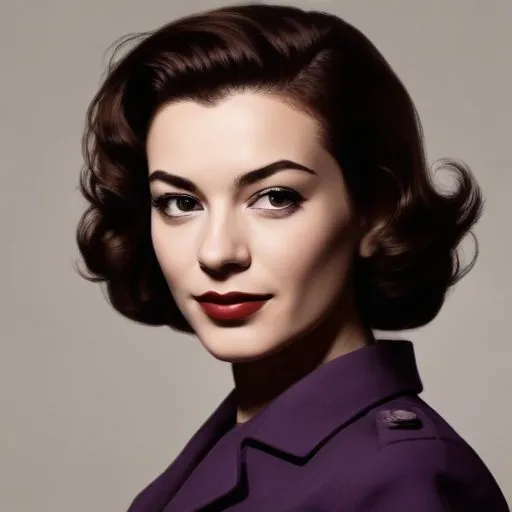
Violette Szabo: The Fearless SOE Agent Who Defied the Nazis
A Legacy of Bravery
Violette Szabo, a British-French Special Operations Executive (SOE) agent, is renowned for her extraordinary courage and sacrifice during World War II. Posthumously awarded the George Cross, Szabo's remarkable story is one of unwavering determination and defiance in the face of overwhelming danger.
Early Life and Upbringing
Born Violette Reine Elizabeth Bushell on June 26, 1921, in Paris, France, Szabo was the second child and only daughter of Charles George Bushell and Reine Blanche Leroy. Her father, a British Army driver, met her mother, a French dressmaker, during World War I. The family later settled in London, where Szabo developed a strong bond with her four brothers and male cousins, fostering her tomboyish nature and love for adventure.
A Life of Service
Following the outbreak of World War II, Szabo joined the Women's Land Army, where she worked on a farm in Sussex. However, her sense of duty and patriotism soon led her to enlist in the SOE, a secret organization tasked with conducting espionage and sabotage operations behind enemy lines.
Missions and Capture
Szabo's first mission, codenamed "Seafront," took her to occupied France in April 1944, where she worked with the French Resistance to disrupt German supply lines. After a successful mission, she returned to England, only to embark on a second mission, codenamed "Salesman," in June 1944. It was during this mission that she was captured by the German army, interrogated, and tortured.
The Ultimate Sacrifice
Szabo was deported to Ravensbrück concentration camp in Germany, where she continued to resist her captors, inspiring her fellow prisoners with her bravery and defiance. On February 5, 1945, Szabo was executed by firing squad, a fate she met with characteristic courage and dignity.
Legacy and Honors
Posthumously awarded the George Cross, Szabo's remarkable story has inspired generations. Her legacy extends beyond her military service, serving as a testament to the power of human courage and resilience in the face of overwhelming adversity.
Personal Milestones and Key Life Events
- June 26, 1921: Born in Paris, France
- 1940s: Joined the Women's Land Army
- 1943: Enlisted in the Special Operations Executive (SOE)
- April 1944: First mission, codenamed "Seafront," in occupied France
- June 1944: Second mission, codenamed "Salesman," resulting in capture by the German army
- February 5, 1945: Executed by firing squad at Ravensbrück concentration camp
Influence on Modern Society
Szabo's bravery and sacrifice have inspired countless individuals, serving as a powerful reminder of the importance of courage, patriotism, and service. Her story continues to captivate audiences, inspiring novels, films, and plays, cementing her place as one of the most renowned and revered heroines of World War II.
FAQ
What was Violette Szabos role in World War II?
Violette Szabo was a French-British secret agent, who worked for the Special Operations Executive (SOE) during World War II, conducting covert operations in occupied France.
What were Violette Szabos most notable missions?
Violette Szabos most notable missions include her work with the French Resistance and her involvement in the Salesman network, which aimed to disrupt German supply lines.
How did Violette Szabo die?
Violette Szabo was captured by the Germans in 1944 and executed by firing squad at Ravensbrück concentration camp in 1945.
What honors has Violette Szabo received?
Violette Szabo was posthumously awarded the George Cross, the highest British civilian honor for bravery, and is remembered as a heroine of World War II.
Is Violette Szabos story well-known?
Violette Szabos story was largely unknown until the 1990s, when her biography was written and her heroic actions became more widely recognized.