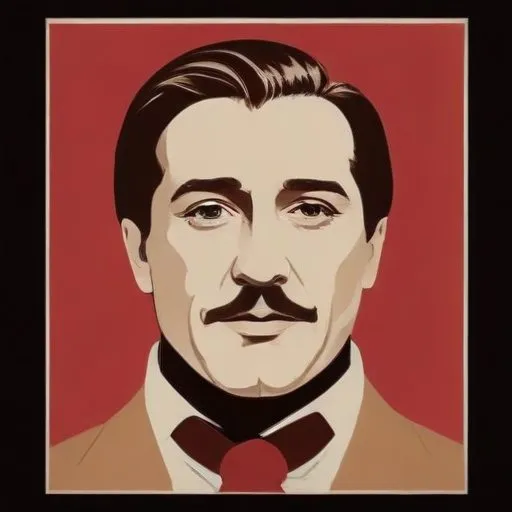
The Tenor of Vienna: Waldemar Kmentt's Enduring Legacy
Waldemar Kmentt was an Austrian operatic tenor celebrated for his powerful voice and versatility in performing both opera and operetta, particularly in the German repertoire. With a career spanning over four decades, Kmentt etched his name in the annals of Vienna's rich musical heritage, becoming a household name in the world of opera.
Early Life and Training
Born on February 2, 1929, in Vienna, Austria, Kmentt's love affair with music began at a young age. He initially studied piano at the Vienna Music Academy, later switching to voice lessons under the tutelage of Adolf Vogel, Elisabeth Rad, and Hans Duhan.
Rise to Prominence
Kmentt's professional debut came in 1951 at the Vienna State Opera, where he played the Prince in Prokofiev's _The Love for Three Oranges_. This marked the beginning of a long and fruitful association with the company, earning him honorary membership in 1982. Over the next 35 years, he would perform in an astonishing 1,480 productions, solidifying his position as a leading tenor of his generation.
Festivals and International Appearances
Kmentt's success soon extended beyond Austria's borders. He made his Salzburg Festival debut in 1955, performing in
Hans Pfitzner's _Palestrina_ as Dandini. He went on to appear at prestigious festivals and opera houses worldwide, including Milan, Rome, Paris, Amsterdam, Brussels, and Buenos Aires.
Mozart and Beyond
Kmentt was particularly renowned for his interpretations of Mozart's roles, including Belmonte, Don Ottavio, Ferrando, Tamino, and both Idamante and Idomeneo. His repertoire, however, was not limited to Mozart, as he excelled in roles such as Walther von Stolzing in Wagner's _Die Meistersinger von Nürnberg_ and The Emperor in Strauss's _Die Frau ohne Schatten_.
Operetta and Late Career
In addition to his opera engagements, Kmentt was a sought-after performer in operetta, particularly in works like _Die Fledermaus_. As his voice matured, he transitioned to character roles, such as Triquet in _Eugene Onegin_ and the Haushofmeister in _Ariadne auf Naxos_, which he performed in his final Vienna State Opera appearance in 2005.
Teaching and Legacy
Kmentt's impact extended beyond the stage, as he shared his knowledge and expertise with the next generation of singers. He taught at the Vienna Music Academy, nurturing young talent and ensuring the continuation of Vienna's rich musical heritage.
Recordings and Honors
Kmentt's remarkable career was documented through numerous recordings, including
Herbert von Karajan's iconic rendition of _Die Meistersinger von Nürnberg_. His contributions to the world of opera earned him numerous honors, cementing his status as one of Austria's most beloved and revered tenors.
A Lasting Impression
Waldemar Kmentt's passing on January 21, 2015, marked the end of an era, but his legacy continues to inspire and delight audiences today. As a testament to his enduring impact, his performances remain a benchmark for excellence in the world of opera, and his name is forever etched in the hearts of music lovers around the world.
FAQ
What is Waldemar Kmentts operatic repertoire?
Waldemar Kmentt was an Austrian operatic tenor known for his versatility, performing a wide range of roles in operas by Mozart, Verdi, and Strauss, among others.
What is Waldemar Kmentts most famous opera role?
Waldemar Kmentts most famous opera role is probably Lohengrin, which he performed numerous times throughout his career, earning critical acclaim and audience admiration.
How did Waldemar Kmentts voice evolve over his career?
Waldemar Kmentts voice developed from a lyric tenor to a spinto tenor, allowing him to tackle a broader range of roles and showcase his vocal agility and expressiveness.
What orchestras did Waldemar Kmentt perform with?
Waldemar Kmentt performed with many prestigious orchestras, including the Vienna Philharmonic and the Berlin Philharmonic, under the baton of renowned conductors such as Herbert von Karajan and Georg Solti.
Has Waldemar Kmentt recorded any operas?
Yes, Waldemar Kmentt has recorded several operas, including complete sets of Mozarts operas, preserving his legacy for future generations of opera enthusiasts.