


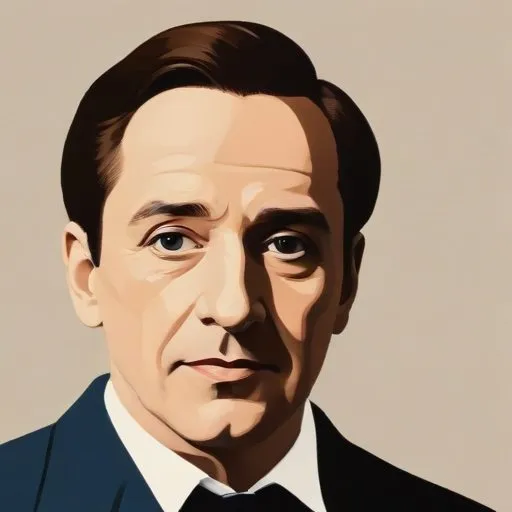
A prominent figure of the Harlem Renaissance, known for his satirical novels and plays that explored the lives of African Americans during the 1920s and 1930s.
Wallace Thurman was an American novelist, screenwriter, and editor who left an indelible mark on the literary world during the Harlem Renaissance. He is best known for his novel The Blacker the Berry: A Novel of Negro Life (1929), which boldly explored the theme of discrimination within the black community based on skin color, shedding light on the darker aspects of racism.
Thurman was born on August 16, 1902, in Salt Lake City, Utah, to Beulah and Oscar Thurman. His early life was marked by instability, with his father abandoning the family when Thurman was just a month old. This would have a profound impact on his writing, as he often explored themes of loneliness and family dynamics.
Despite the challenges he faced, Thurman's love for reading and writing blossomed at a young age. He devoured the works of literary giants such as Plato, Aristotle, Shakespeare, and Flaubert, which would later influence his unique writing style.
In the 1920s, Thurman moved to New York City, where he became an integral part of the vibrant Harlem Renaissance movement. This cultural and literary explosion saw African American artists, writers, and musicians come together to celebrate their heritage and challenge social norms.
Thurman's novel The Blacker the Berry was a groundbreaking work that sparked controversy and conversation. It told the story of Emma Lou, a young black woman who faces discrimination and marginalization within her own community due to her dark skin tone. The novel's unflinching portrayal of racism and colorism sparked heated debates and solidified Thurman's position as a leading voice in the Harlem Renaissance.
Thurman's literary contributions extended beyond The Blacker the Berry. He wrote several essays, edited literary journals, and worked as a screenwriter in Hollywood. His work often explored themes of identity, race, and social justice, leaving a lasting impact on American literature.
Despite his untimely death in 1934, Thurman's legacy continues to inspire generations of writers and scholars. His work serves as a testament to the power of literature in challenging social norms and sparking meaningful conversations.
"I am not a Negro, I am an American. I am not a Caucasian, I am a human being."
This quote, often attributed to Thurman, reflects his commitment to challenging racial categorizations and promoting a more inclusive understanding of American identity.
Thurman's life and work continue to inspire and challenge readers to this day. His unwavering dedication to exploring the complexities of human experience has cemented his place as one of the most important authors of the Harlem Renaissance.
Born in 1902
A renowned poet, novelist, and playwright who powerfully voiced the experiences and struggles of African Americans during the Harlem Renaissance, using jazz and blues rhythms to convey the spirit of his people.
Born in 1891
A celebrated author and anthropologist who explored African-American culture through novels, stories, and folklore, particularly in the rural South during the early 20th century.
Born in 1903
A prominent figure of the Harlem Renaissance, he crafted poignant poetry and novels that explored the African American experience, earning a lasting legacy in American literary history.
Born in 1889
A prominent figure of the Harlem Renaissance, known for powerful poetry and novels that explored the experiences of black people in America and the Caribbean, advocating for racial equality and social justice.
Born in 1894
A leading figure of the Harlem Renaissance, he wrote poetry and novels that explored the African American experience, blending modernist and jazz-age styles. His work is a testament to the era's vibrant cultural rebirth.
31 Years Old
Professional basketball player who has played for the Milwaukee Bucks and Houston Rockets, known for his athleticism and three-point shooting ability.
Born in 1902
A pioneering figure in the Harlem Renaissance, this American librarian, author, and poet was a prolific writer of children's literature and poetry, exploring themes of African American identity and culture.
