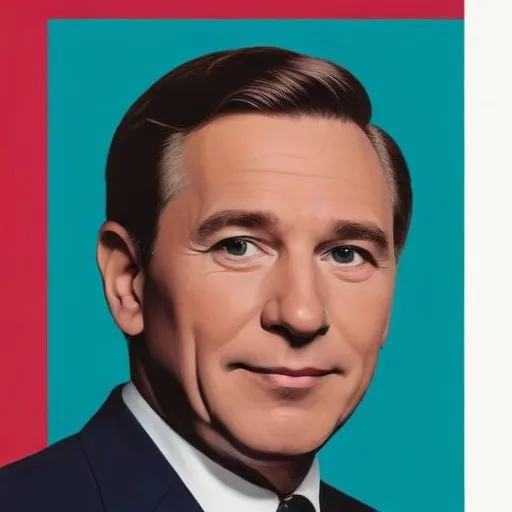
The Visionary Governor: Wally Hickel's Enduring Legacy in Alaska
Wally Hickel is best known for his trailblazing legacy as the second governor of Alaska, serving two non-consecutive terms from 1966 to 1969 and 1990 to 1994. This American businessman, real estate developer, and politician left an indelible mark on the Last Frontier State, shaping its politics, economy, and environment for generations to come.
Early Life and Career
Born on August 18, 1919, in Ellinwood, Kansas, Hickel grew up on his family's Dust Bowl tenant farm during the Great Depression. This humble beginning instilled in him the value of hard work and perseverance. In 1940, he moved to Alaska, where he would eventually build a successful construction company, contributing to the state's growth and development.
Rise to Prominence
Hickel's entry into politics began in the 1950s, when he became a vocal advocate for Alaskan statehood. His efforts, along with those of other Democrats, culminated in the Alaska Statehood Act of 1958, signed into law by President
Dwight D. Eisenhower. This milestone marked a significant turning point in Hickel's career, paving the way for his future political endeavors.
Governor of Alaska (1966-1969)
In 1966, Hickel successfully campaigned for the governorship, defeating incumbent William A. Egan. During his first term, he focused on promoting economic growth, investing in infrastructure, and protecting Alaska's natural resources. His dedication to the state's development earned him national recognition, leading to his appointment as U.S. Secretary of the Interior in 1969 by President
Richard Nixon.
U.S. Secretary of the Interior (1969-1970)
As Secretary of the Interior, Hickel played a crucial role in shaping the nation's environmental policies. He championed responsible resource management, advocating for the protection of Alaska's vast wilderness areas, including the Arctic National Wildlife Range.
Return to Alaska Politics (1990-1994)
In 1990, Hickel made a successful comeback as governor, this time under the banner of the Alaskan Independence Party. During his second term, he continued to prioritize environmental conservation, while also addressing issues related to education, healthcare, and economic development.
Legacy and Impact
Wally Hickel's enduring legacy in Alaska is a testament to his vision, perseverance, and commitment to the state's people and environment. His contributions have had a lasting impact on Alaska's politics, economy, and natural landscape, earning him a place among the state's most revered leaders.
- Establishment of the Alaska Permanent Fund, ensuring the responsible management of the state's natural resources
- Protection of Alaska's wilderness areas, including the establishment of the Gates of the Arctic National Park and Preserve
- Advocacy for responsible resource management, balancing economic growth with environmental conservation
Personal Milestones and Quotes
- Received the Theodore Roosevelt Conservation Award in 1970 for his outstanding contributions to environmental conservation
- "Alaska is a place where nature still has the power to awe and inspire us. We must be careful not to let our human endeavors overwhelm this precious gift."
Wally Hickel's life and legacy serve as a shining example of dedication, perseverance, and commitment to the people and environment of Alaska. As a visionary leader, he has left an indelible mark on the Last Frontier State, inspiring future generations to work towards a brighter, more sustainable future.
FAQ
What was Wally Hickels most notable political achievement?
Wally Hickel served as the 2nd Governor of Alaska, from 1967 to 1969, and later as United States Secretary of the Interior, from 1969 to 1970.
How did Wally Hickels views on environmental policy impact his tenure as Governor?
Hickel was a strong advocate for environmental protection and conservation, which shaped his policy decisions as Governor of Alaska.
What were Wally Hickels experiences like as Secretary of the Interior?
Hickels time as Secretary of the Interior was marked by his commitment to environmental protection, including the establishment of several national parks and wildlife refuges.
How did Wally Hickels business career impact his views on resource management?
Hickels experience in the private sector, including his work in real estate and mining, influenced his views on resource management and environmental policy.
What legacy did Wally Hickel leave in the field of politics?
Hickels legacy in politics is one of dedication and service, marked by his commitment to environmental protection and responsible resource management.