Wilhelmina BarnsGraham: A Pioneering British Abstract Artist
Wilhelmina BarnsGraham, affectionately known as Willie, was one of the most significant British abstract artists of the 20th century, and a prominent member of the influential Penwith Society of Arts. Her innovative and expressive works continue to captivate art enthusiasts, solidifying her position as a leading figure in British modernism.
Early Life and Education
Born on June 8, 1912, in St. Andrews, Fife, Scotland, BarnsGraham was raised in a family of Scottish landed gentry. Her parents, Allan BarnsGraham and Wilhelmina Menzies, instilled in her a sense of creativity and artistic expression from a young age. BarnsGraham's early signs of talent were evident, and she was determined to pursue a career in art. She enrolled in Edinburgh College of Art in 1931, where she was taught by esteemed tutors, including David Alison and William MacTaggart.
Artistic Career
After graduating in 1936, BarnsGraham made study trips to Paris, London, and St. Tropez, immersing herself in the vibrant art scenes of these cities. In 1940, she relocated to St. Ives, Cornwall, at the suggestion of the Edinburgh College of Art's Principal, Hubert Wellington. This move proved pivotal, as she became part of a group of modernist artists who had settled in the area, including
Ben Nicholson and Barbara Hepworth.
The Penwith Society of Arts
In 1949, BarnsGraham co-founded the Penwith Society of Arts, a collective dedicated to promoting modern art in the region. This association played a significant role in her career, providing a platform for her work to be showcased alongside that of other prominent abstract artists.
Artistic Style and Contributions
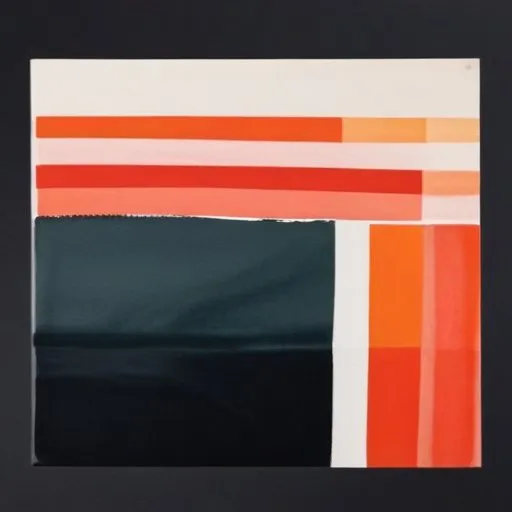
BarnsGraham's artistic style was characterized by vibrant colors, bold forms, and a deep exploration of abstraction. Her works often blended elements of Cubism, Surrealism, and Abstract Expressionism, creating a unique visual language. Her contributions to British modernism are undeniable, and her innovative approach paved the way for future generations of abstract artists.
Major Works and Exhibitions
Some of BarnsGraham's most notable works include:
- Sea Movement (1950), a seminal piece that showcases her mastery of color and form.
- Gliding Axes (1954), a series of paintings that exemplify her innovative use of abstraction.
- Orchestra of Lines (1962), a collection of works that highlight her ability to balance color and composition.
Throughout her career, BarnsGraham's work was featured in numerous exhibitions, including solo shows at the Tate St. Ives and the Scottish National Gallery of Modern Art.
Honors and Legacy
In recognition of her contributions to British art, BarnsGraham was appointed a Commander of the Order of the British Empire (CBE) in 1992. Her legacy continues to inspire artists, curators, and art enthusiasts alike, solidifying her position as a pioneering figure in British modernism.
Personal Milestones and Key Life Events
Throughout her life, BarnsGraham faced several health challenges, including weakness of the lungs and pleurisy. Despite these setbacks, she maintained a strong spirit and dedication to her craft.
Influence on Modern Society
BarnsGraham's artistic innovations and contributions have had a lasting impact on modern British art. Her work has inspired generations of artists, from her contemporaries to contemporary practitioners. Her legacy extends beyond the art world, influencing design, architecture, and popular culture.
Philosophical Contributions and Beliefs
BarnsGraham's artistic philosophy was deeply rooted in her belief in the power of abstraction to evoke emotions and convey the essence of the human experience. Her work continues to inspire and captivate audiences, demonstrating the enduring relevance of her artistic vision.
Trivia and Fun Facts
Did you know that BarnsGraham's artistic talent was recognized early on? One of her paintings was chosen to be displayed on the wall at her school, solidifying her decision to pursue a career in art.