


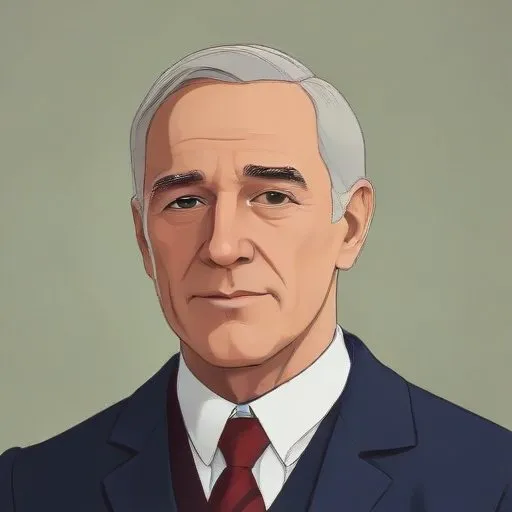
A lawyer and politician who served as the 9th Governor of West Virginia, known for his progressive reforms and efforts to modernize the state's infrastructure. He played a significant role in shaping the state's development during the late 19th century.
William A. MacCorkle, the ninth Governor of West Virginia, was a multifaceted personality who made his mark in the state's politics, economy, and education. He is remembered for his tireless efforts to promote the state's natural resources, improve transportation, and advocate for increased funding for state institutions.
Born on May 7, 1857, near Lexington, Virginia, MacCorkle's early life was marked by a strong passion for education. After teaching school in Pocahontas County, West Virginia, he attended Washington and Lee University in Lexington, Virginia, where he honed his skills and developed his vision for the future.
In 1879, MacCorkle established a law practice in Charleston, West Virginia, and began teaching school. His dedication and hard work paid off when he was elected as the Kanawha County prosecuting attorney in 1880, a position he held for nearly a decade. His strong views on the Confederacy often put him at odds with his contemporaries, including an infamous incident in 1889 when he struck U.S. Marshal W.J. White at the Ruffner Hotel in Charleston.
In 1892, MacCorkle's vision and leadership skills earned him the Democratic Party's nomination for governor, which he won by a landslide. As governor, he focused on promoting the state's natural resources, improving transportation infrastructure, and increasing funding for state institutions. MacCorkle's proactive approach to governance and his ability to balance the needs of different communities made him a popular figure in West Virginia.
After leaving office, MacCorkle returned to his law practice and continued to promote the state's resources through his travels. He was elected to the West Virginia Senate in 1910 and went on to become a founder and president of the Citizens National Bank, which later merged with the Charleston National Bank. His autobiography, The Recollections of Fifty Years, published in 1928, provides valuable insights into his life and times.
MacCorkle's legacy extends far beyond his political achievements. His mansion, Sunrise, is now home to a children's museum and was added to the National Register of Historic Places in 1974. In Charleston, a major arterial road, MacCorkle Avenue, was named in his honor and carries U.S. Route 60 through the city.
William A. MacCorkle's life was a testament to his vision, leadership, and dedication to the people of West Virginia. His legacy continues to inspire generations, and his contributions to the state's politics, economy, and education remain unparalleled.
79 Years Old
The 34th Governor of West Virginia, a centrist Democrat, played a crucial role in shaping the state's economy and energy policies, while also influencing national politics.
72 Years Old
A Republican senator from West Virginia, known for her moderate stance and advocacy for women's health and education issues. She's a prominent figure in the state's politics.
Born in 1917
A prominent Democratic senator from West Virginia, serving for over 50 years, known for his advocacy on civil rights and his ability to bring federal funding to his home state.
89 Years Old
A lawyer and politician who served as the 29th Governor of West Virginia, known for his advocacy on healthcare and education reform. He's a prominent figure in West Virginia politics.
Born in 1873
A prominent lawyer and politician who served as the 14th United States Solicitor General, arguing over 140 cases before the Supreme Court, including a notable defense of segregation. He was also the Democratic nominee for President in 1924.
