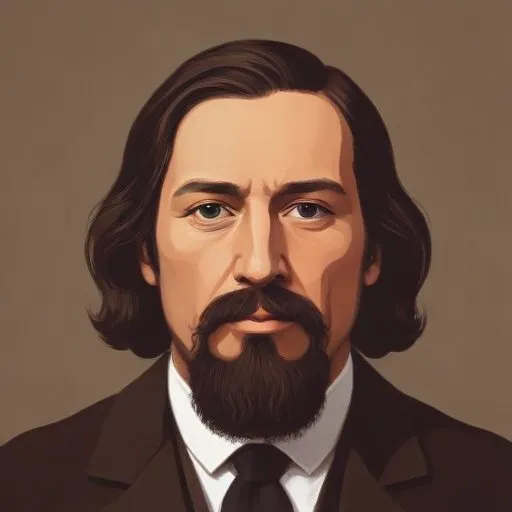
William Bradford Huie: The Investigative Reporter Who Uncovered the Truth
A Trailblazing Journalist
William Bradford Huie was a renowned American writer, investigative reporter, editor, national lecturer, and television host who made a lasting impact on the world of journalism. With a career spanning over four decades, Huie was known for his fearless reporting and uncanny ability to get his subjects to open up, often using unorthodox methods that raised eyebrows and sparked controversy.
Checkbook Journalism and Controversy
Huie's most notable technique was his use of "checkbook journalism," where he would pay subjects for interviews and information. This approach allowed him to secure exclusives with high-profile figures, but it also drew criticism from his peers and sparked debates about journalistic ethics. One of his most infamous stories was his 1956 interview with two of the six white men who killed
Emmett Till, a 14-year-old African American boy who was brutally murdered in Mississippi. The interview, published in Look magazine, was a bombshell that reignited national outrage over the case.
A Bestselling Author
Huie's writing career was marked by incredible success, with 21 books selling over 30 million copies worldwide. He wrote 14 bestsellers, including
Mud on the Stars, which was largely autobiographical and drew from his own experiences growing up in Alabama. His books often tackled controversial topics, such as World War II and the Civil Rights Movement, and were adapted into feature films during the 1950s, 1960s, and 1970s.
Early Life and Career
Born on November 13, 1910, in Hartselle, Alabama, Huie was the eldest of three children to John Bradford and Margaret Lois Brindley Huie. He graduated as valedictorian from Morgan County High School and went on to attend the University of Alabama, where he graduated Phi Beta Kappa in 1930. Huie began his journalism career at the Birmingham Post, working as a reporter from 1932 to 1936. During this time, he married his grammar school sweetheart, Ruth Puckett, in 1934.
Undercover Reporting and National Recognition
In the late 1930s, Huie worked as an undercover reporter to gather information on gangster Benjamin "Bugsy" Siegel in Los Angeles. He reported on his experiences in the Los Angeles Times and later in the December 1950 issue of The American Mercury. This daring assignment earned him national recognition and cemented his reputation as a fearless and resourceful journalist.
Legacy and Impact
William Bradford Huie's life and work continue to inspire and influence journalists today. His fearlessness and willingness to challenge the status quo have made him a legend in the world of investigative reporting. While his methods may have been unorthodox, his commitment to uncovering the truth and giving voice to the voiceless remains an enduring legacy.
Quotes and Memorable Sayings
- "The only way to get a good story is to go out and get it."
- "I've always believed that the truth is worth more than any amount of money."
Awards and Honors
- Phi Beta Kappa, University of Alabama (1930)
- Bestseller list, The New York Times (multiple times)
FAQ
What is William Bradford Huies most famous book?
William Bradford Huies most famous book is The Americanization of Emily, which was adapted into a movie in 1964 starring James Garner and Julie Andrews.
What was William Bradford Huies role in World War II?
William Bradford Huie served in the United States Navy during World War II, where he was a lieutenant commander and saw combat in the Pacific Theater.
What kind of writing did William Bradford Huie do?
William Bradford Huie was a journalist and author, and his writing often focused on non-fiction and historical topics, including World War II and the American South.
Where did William Bradford Huie grow up?
William Bradford Huie grew up in Lairdsville, Alabama, and drew inspiration from his childhood in the American South in his writing.
What was William Bradford Huies impact on American literature?
William Bradford Huies writing had a significant impact on American literature, particularly in the 1950s and 1960s, and his work continues to be studied and appreciated by scholars and readers today.