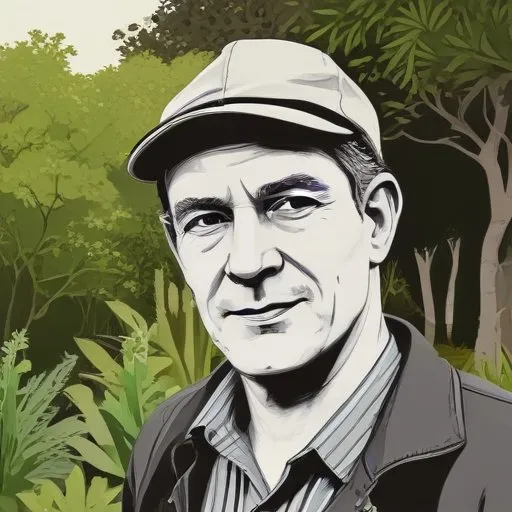
William Douglas Cook: The Visionary Plantsman Behind New Zealand's National Arboretum
A Life Dedicated to Horticulture
William Douglas Cook is renowned for founding Eastwoodhill Arboretum, New Zealand's national arboretum, and co-founding Pukeiti, a rhododendron garden near New Plymouth. As a plantsman with a poetic soul and philosophical vision, Cook's life was a testament to his passion for horticulture and conservation.
Early Life and Influences
Born on October 28, 1884, in New Plymouth, New Zealand, Cook was the second son of William Cook and Jessie Miller, both from Scotland. His family moved frequently, and Cook's difficult relationship with his father led him to leave home at 17 and work as a cowboy in Hawkes Bay region. This experience would later influence his approach to land management and conservation.
The Birth of Eastwoodhill
In 1910, Cook acquired a 620-acre property in the Ngatapa settlement, which he named Eastwoodhill, after his mother's childhood home near Glasgow. This land would become the site of his life's work, a vast arboretum featuring over 2,000 different taxa of trees and shrubs. Cook's vision was to create a sanctuary for plant species from around the world, and his dedication to this goal led to the establishment of one of New Zealand's most beloved gardens.
Philosophical Contributions and Beliefs
Cook's work at Eastwoodhill was guided by a deep respect for nature and a commitment to conservation. He believed in the importance of preserving plant species for future generations and recognized the value of native forests in maintaining ecological balance. His philosophical approach to horticulture emphasized the interconnectedness of human and natural systems.
Career Highlights and Major Works
- Founder of Eastwoodhill Arboretum, New Zealand's national arboretum
- Co-founder of Pukeiti, a rhododendron garden near New Plymouth
- Developer of a comprehensive plant collection featuring over 2,000 taxa
Influence on Modern Society
Cook's work at Eastwoodhill has had a profound impact on New Zealand's botanical landscape. His dedication to plant conservation and education has inspired generations of horticulturists, scientists, and environmentalists. Today, Eastwoodhill Arboretum remains a vital resource for research, conservation, and education, attracting visitors from around the world.
Personal Milestones and Key Life Events
- 1884: Born in New Plymouth, New Zealand
- 1901: Left home to work as a cowboy in Hawkes Bay region
- 1910: Acquired the property that would become Eastwoodhill Arboretum
- 1965: Sold Eastwoodhill to H. B. Bill Williams, ensuring the arboretum's continued preservation
- 1967: Passed away on April 27, leaving behind a legacy of conservation and horticultural excellence
Legacy and Historical Context
William Douglas Cook's remarkable life and achievements serve as a testament to the power of dedication and vision. As a pioneer in New Zealand's horticultural landscape, Cook's work continues to inspire and educate, leaving a lasting impact on the country's botanical heritage.
FAQ
What is Eastwoodhill Arboretum and how did William Douglas Cook establish it?
Eastwoodhill Arboretum is a 135-hectare park featuring a wide range of plant species. William Douglas Cook established it in 1910 as a showcase for his horticultural expertise and passion for plant conservation.
What were William Douglas Cooks contributions to horticulture?
William Douglas Cook was a renowned horticulturalist who introduced many exotic plant species to New Zealand. He was also a pioneer in plant breeding and hybridization.
What inspired William Douglas Cook to pursue horticulture?
William Douglas Cook was inspired by his love for nature and the beauty of plants. He was particularly fascinated by the diversity of plant species and their potential uses.
How did William Douglas Cooks work impact New Zealands horticultural industry?
William Douglas Cooks work had a significant impact on New Zealands horticultural industry, introducing new crops and improving farming practices. His legacy continues to inspire horticulturists and conservationists today.
What is William Douglas Cooks legacy in modern horticulture?
William Douglas Cooks legacy is a testament to the power of dedication and passion. His work continues to inspire new generations of horticulturists and conservationists, promoting the importance of plant conservation and sustainable farming practices.