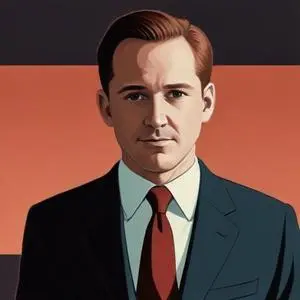
Sir William Fox: The Visionary Premier of New Zealand
A Legacy of Leadership and Controversy
Sir William Fox, the second premier of New Zealand, is remembered for his instrumental role in shaping the country's education system and fighting for autonomy from Britain. His tenure, marked by four terms in office, was also defined by his controversial confiscation of Māori land rights, leaving a complex and multifaceted legacy.
Early Life and Education
Born on January 20, 1812, in South Shields, England, Fox was the son of Reverend George Townshend Fox, Deputy Lieutenant of County Durham. He was educated at Durham School and later matriculated at Wadham College, Oxford, graduating with a Bachelor of Arts in 1832 and a Master of Arts in 1839.
A Journey to New Zealand
Fox's decision to emigrate to New Zealand in 1842 was motivated by a desire for a fresh start. Upon arrival, he was recognized as a qualified lawyer, but due to limited job opportunities, he supplemented his income by writing for local periodicals. A turning point came in 1843, when Fox refused to swear an oath he deemed degrading, resulting in the loss of his right to practice law. This event propelled him into focusing on writing and journalism.
Rise to Political Prominence
Fox's early political career was marked by controversy. He opposed government negotiations with Māori over land, advocating for the notion that Māori only had rights to land they used. This stance led to his appointment as local agent for the New Zealand Company at Nelson in 1843. Fox's rise to prominence continued, and he eventually became the second premier of New Zealand, holding office on four separate occasions.
Education and Autonomy
Fox's contributions to New Zealand's education system were significant. He played a key role in establishing the University of New Zealand, which was formally constituted in 1870. His efforts towards increasing New Zealand's autonomy from Britain were also notable, as he sought to establish greater self-governance for the colony.
Controversies and Criticisms
Fox's legacy is not without controversy. His confiscation of Māori land rights has been widely criticized, and his reputation has been tarnished by allegations of bitterness and a propensity for personal attacks. These contradictions have led to differing accounts of his personality, with some viewing him as determined and intelligent, while others see him as bitter and divisive.
Personal Life and Later Years
Fox married Sarah Halcomb in 1842, and the couple had no children. He passed away on June 23, 1893, leaving behind a complex and multifaceted legacy. Despite controversies, Fox's impact on New Zealand's education system, autonomy, and leadership cannot be overstated.
Legacy and Impact
Today, Fox's legacy serves as a reminder of the complexities of leadership and the importance of understanding the cultural context of historical events. His contributions to New Zealand's development, though marked by controversy, have shaped the country's identity and continue to influence its people.
FAQ
What was William Foxs role in the film industry?
William Fox was a Hungarian-American screenwriter, producer, and founder of the Fox Film Corporation and Fox Theatres. He played a significant role in the development of the American film industry.
What was William Foxs early life and education?
William Fox was born in Hungary and immigrated to the United States in the late 1800s. He dropped out of school at a young age and worked in various jobs before entering the film industry.
How did William Fox contribute to the growth of the film industry?
William Foxs innovative business strategies, including the creation of a vertically integrated film studio and theater chain, helped to establish the Fox Film Corporation as a major player in the industry.
What were William Foxs notable film productions?
William Fox produced several notable films, including Theda Bara films and the John Ford westerns. He also produced newsreels and documentaries.
What was William Foxs legacy in the film industry?
William Foxs legacy in the film industry is marked by his entrepreneurial spirit, innovative business strategies, and contributions to the development of American cinema.