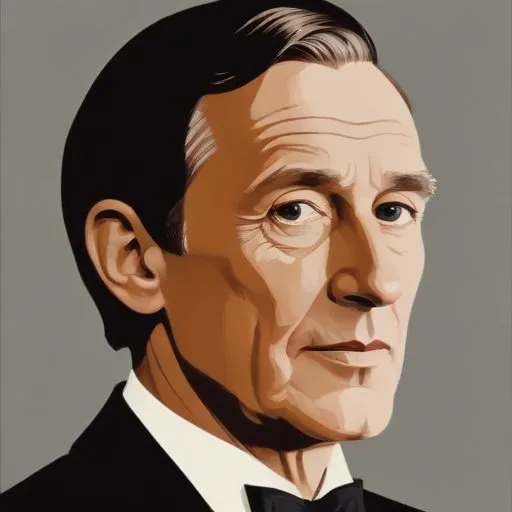
William Gaddis: The Maverick of American Postmodern Literature
A Pioneering Novelist and Critic of Modern Society
William Gaddis, a luminary of American postmodern literature, is renowned for his complex and allusive novels that challenge traditional narrative structures. His debut novel,
The Recognitions, published in 1955, is widely regarded as one of the most important American novels of the 20th century, and was named one of TIME magazine's 100 best novels from 1923 to 2005.
Early Life and Influences
Born on December 29, 1922, in New York City, Gaddis grew up in Massapequa, Long Island, after his parents separated when he was three. His mother, Edith Charles Gaddis, an executive at the New York Steam Corporation, played a significant role in shaping his early life. Gaddis's educational trajectory took him from private schools to Harvard University, where he was a member of
The Harvard Lampoon, eventually serving as its president. However, an altercation with police led to his departure from Harvard in 1944.
Winding Path to Literary Success
Gaddis's journey to literary recognition was marked by detours and diversions. He worked as a fact-checker for
The New Yorker from 1945 to 1946, followed by five years of travel across Mexico, Central America, Spain, France, England, and North Africa. This period of exploration and self-discovery laid the groundwork for his unique narrative style and critiques of modern society.
Major Works and Contributions
- The Recognitions (1955): A sprawling, complex novel that challenges traditional narrative structures and explores themes of identity, morality, and the search for meaning.
- J R (1975): A novel that won the National Book Award for Fiction and critiques the excesses of capitalism and the American Dream.
- A Frolic of His Own (1994): A novel that explores the intersection of art, law, and identity, and won the National Book Award for Fiction.
Philosophical Contributions and Beliefs
Gaddis's work is characterized by a deep skepticism towards modern society and its values. He critiques the notion of progress and the cult of individualism, instead advocating for a more nuanced understanding of human experience and the importance of art as a means of critique and social commentary.
Influence on Modern Society and Pop Culture
Gaddis's work has influenced a generation of writers, including
Thomas Pynchon,
Don DeLillo, and
David Foster Wallace. His critiques of modern society and its values have resonated with readers and continue to inspire new perspectives on art, literature, and culture.
Awards and Honors
- MacArthur Fellowship (1982)
- National Book Award for Fiction (1975 and 1994)
Legacy and Impact on American Literature
William Gaddis's work has left an indelible mark on American literature, challenging readers and writers to re-examine their assumptions about narrative, art, and society. His legacy continues to inspire new generations of writers, artists, and thinkers, cementing his place as one of the most important American writers of the 20th century.
FAQ
What was William Gaddiss writing style like?
William Gaddis was an American author known for his complex, experimental writing style, which often blurred the lines between fiction and nonfiction.
What was William Gaddiss most famous novel?
William Gaddiss most famous novel is The Recognitions, published in 1955, which explores themes of identity, authenticity, and the search for meaning.
How did William Gaddis approach the concept of reality in his writing?
William Gaddis was obsessed with the concept of reality, often subverting traditional notions of reality and truth in his writing.
What was William Gaddiss relationship like with the literary establishment?
William Gaddis had a complicated relationship with the literary establishment, often criticizing the commercialization of literature and the conformity of mainstream culture.
What is William Gaddiss legacy in American literature?
William Gaddiss legacy in American literature is marked by his innovative and challenging writing style, which has influenced generations of writers and continues to be studied and admired today.