


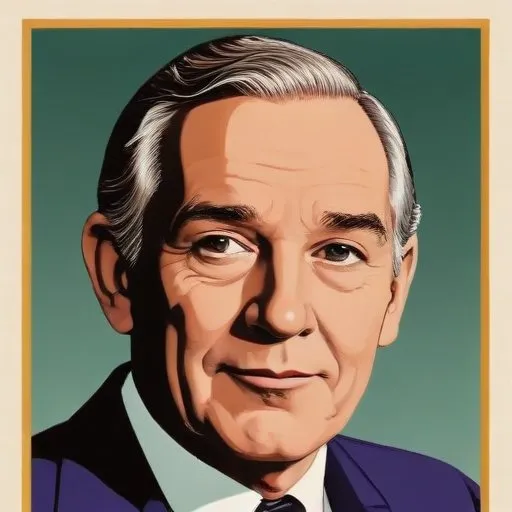
Award-winning author of children's literature, particularly known for his novel "Sounder", which explores themes of racism and identity in the rural South during the Great Depression.
William H. Armstrong, a renowned American writer of children's literature, is best known for his poignant and inspiring novel, Sounder, which won the prestigious Newbery Medal in 1970. This timeless tale of love, loyalty, and resilience has captivated readers of all ages, cementing Armstrong's place as a luminary in the world of children's literature.
Born on September 14, 1911, in Lexington, Virginia, Armstrong was the third child of Howard Gratton Armstrong and Ida Morris Armstrong. Growing up on a farm near Lexington, he developed a deep appreciation for the natural world and the power of storytelling. His love for stories was nurtured by his mother, who encouraged him to explore the rich tapestry of biblical tales. Armstrong's experiences as a small child with asthma and glasses also influenced his writing, as he often omitted descriptive details to allow readers to fill in the gaps with their own imaginations.
The seed for Sounder was planted around Armstrong's family kitchen table, where an elderly black man shared the tale of Argus, the faithful dog of Odysseus. This ancient Greek mythological story resonated deeply with Armstrong, who wove its themes of loyalty and recognition into the fabric of his award-winning novel.
Armstrong's writing career spanned multiple decades, during which he authored several novels and short stories for children. In addition to Sounder, his notable works include Study is Hard Work (1959), The Macscots (1961), and Sour Land (1972). His writing often explored themes of family, friendship, and personal growth, set against the backdrop of rural America.
Sounder's impact on modern society extends beyond the realm of children's literature. The novel's exploration of racial tensions, family dynamics, and personal resilience has made it a staple in many American classrooms. The book's themes of empathy, understanding, and social justice continue to resonate with readers today, inspiring a new generation of thinkers and change-makers.
Armstrong's writing reflects his deep commitment to social justice, equality, and empathy. Through his stories, he encouraged children to think critically about the world around them and to challenge societal norms. His philosophy of storytelling emphasized the importance of omission, allowing readers to fill in the gaps with their own experiences and imagination.
William H. Armstrong's legacy extends far beyond his own writing. He inspired a generation of authors, educators, and readers to explore the complex tapestry of human experience. His commitment to social justice, empathy, and storytelling continues to shape the literary landscape, ensuring that his stories will remain relevant and impactful for generations to come.
As Armstrong once said, "The greatest glory in living lies not in never falling, but in rising every time we fall." His life's work serves as a testament to the power of resilience, hope, and the human spirit.
Born in 1926
Author of the Pulitzer Prize-winning novel "To Kill a Mockingbird", a classic of modern American literature that explores issues of racial injustice and the loss of innocence.
89 Years Old
Award-winning author of novels and non-fiction books, exploring themes of Canadian identity, history, and social issues. Known for his thought-provoking and engaging storytelling style.
Born in 1891
A celebrated author and anthropologist who explored African-American culture through novels, stories, and folklore, particularly in the rural South during the early 20th century.
95 Years Old
A celebrated author and editor, renowned for crafting powerful, poignant novels that explore the African American experience, particularly the lives of black women, and the horrors of slavery and racism.
Born in 1902
A renowned writer of realistic and powerful novels, often focusing on the lives of the working class and the American Dream, with classics like "Of Mice and Men" and "The Grapes of Wrath".
Born in 1896
Author of novels and short stories that capture the essence of the Jazz Age, exploring themes of wealth, class, and the American Dream. Known for timeless classics like "The Great Gatsby" and "Tender Is the Night".
Born in 1899
A legendary writer who crafted sparse, powerful prose, capturing the human experience in novels like "The Old Man and the Sea" and "A Farewell to Arms".
Born in 1897
A Nobel Prize-winning author of complex, psychologically rich novels and short stories that explore the American South's troubled history and human nature. His writing style, blending stream-of-consciousness and non-linear narrative, has influenced generations of writers.
