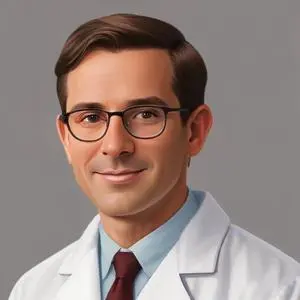
William James Mayo: The Visionary Physician Behind the Mayo Clinic
A Pioneer in Medicine
William James Mayo, a renowned American physician and surgeon, is best known for co-founding the Mayo Clinic, a world-renowned medical institution that has revolutionized healthcare. Alongside his brother
Charles Horace Mayo, William Mayo transformed the medical landscape, leaving an indelible mark on the field of medicine.
Early Life and Inspiration
Born on June 29, 1861, in Le Sueur, Minnesota,
William James Mayo grew up in a family deeply rooted in medicine. His father, William Worrall Mayo, was a pioneer physician who instilled in his sons a passion for medicine from a young age. William and his brother Charles frequently accompanied their father on patient visits, gradually taking on more responsibility and eventually assisting with surgeries.
One pivotal experience that shaped William's future was assisting his father with an autopsy at the age of 16. The experience, though daunting, taught him the importance of composure under pressure, a trait that would serve him well in his medical career.
Education and Career
William Mayo earned his medical degree from the University of Michigan Medical School in 1883, where he became a founder of the Nu Sigma Nu Medical Fraternity. After completing his studies, he joined his father's private medical practice in Rochester, Minnesota, alongside his brother Charles.
In 1892, Augustus Stinchfield joined the practice, paving the way for the Mayo brothers' father to retire at the age of 73. This marked the beginning of a new era in medicine, as the Mayo brothers and their colleagues began to shape the future of healthcare.
The Birth of the Mayo Clinic
In 1919, the Mayo brothers' practice evolved into the not-for-profit Mayo Clinic, a pioneering institution that would become synonymous with excellence in medical care. The clinic's early success was fueled by the brothers' innovative approach to medicine, which emphasized teamwork, research, and patient-centered care.
Philosophical Contributions and Legacy
William Mayo's philosophical approach to medicine was centered around the concept of "the needs of the patient come first." This mantra, still echoed throughout the Mayo Clinic today, reflects the brothers' commitment to putting patients at the forefront of medical care.
Throughout his career, William Mayo demonstrated a keen interest in research and education, publishing numerous papers on topics such as surgery, anesthesia, and medical ethics. His contributions to the field of medicine have inspired generations of physicians, cementing his legacy as a true pioneer in his field.
Awards and Honors
William Mayo's groundbreaking work was recognized with numerous awards and honors, including the prestigious Distinguished Service Medal, awarded in 1926 for his contributions to military medicine during World War I.
Personal Life and Milestones
William Mayo's personal life was marked by a deep sense of duty and responsibility. He married Hattie Marie Johnson in 1888, and the couple had one son, Charles William Mayo.Throughout his life, William Mayo remained committed to his family and his community, serving as a pillar of strength and inspiration to those around him.
Legacy and Impact
Today, the Mayo Clinic stands as a testament to William James Mayo's vision, unwavering dedication, and innovative spirit. As a pioneer in medicine, he has left an indelible mark on the field, inspiring generations of physicians and shaping the course of healthcare as we know it.
William James Mayo's legacy extends far beyond the walls of the Mayo Clinic, serving as a beacon of hope and inspiration to individuals around the world. His commitment to excellence, integrity, and compassion has set a standard for medical professionals everywhere, ensuring that his impact will be felt for generations to come.
Quotes and Memorable Sayings
- "The needs of the patient come first."
- "I'm about as proud of the fact that I walked out of there, instead of ran, as of anything else I ever made myself do."
Historical Context and Timeline
- 1861: Born on June 29th in Le Sueur, Minnesota
- 1883: Earned medical degree from the University of Michigan Medical School
- 1888: Married Hattie Marie Johnson
- 1892: Augustus Stinchfield joined the Mayo brothers' practice
- 1919: The Mayo Clinic was established as a not-for-profit organization
- 1926: Awarded the Distinguished Service Medal for contributions to military medicine during World War I
- 1939: Passed away on July 28th at the age of 78
William James Mayo's remarkable journey serves as a testament to the power of vision, dedication, and innovation in shaping the course of human history. His legacy continues to inspire and motivate individuals around the world, ensuring that his impact will be felt for generations to come.