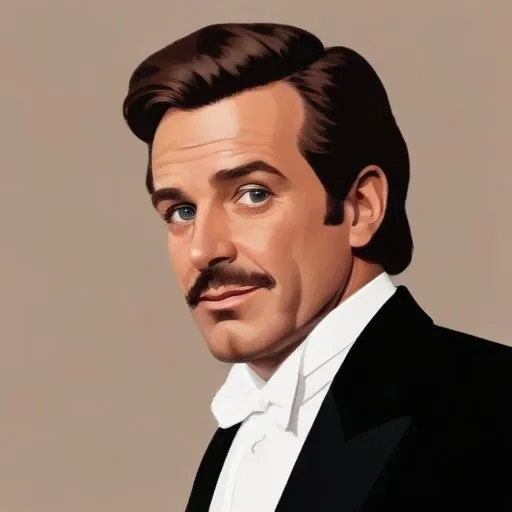
William Marshall: The Bass-Voiced Thespian of Stage and Screen
A Legendary Career in the Spotlight
William Horace Marshall, born August 19, 1924, was an American actor, director, and opera singer who left an indelible mark on the entertainment industry. He is best known for his iconic roles in the 1972 blaxploitation classic
Blacula and its sequel
Scream Blacula Scream, as well as his memorable portrayal of the King of Cartoons on the 1980s television show
Peewee's Playhouse.
A Life Devoted to the Arts
Marshall's journey into the world of performance began at an early age. Born in Gary, Indiana, to Vereen Marshall, a dentist, and Thelma (née Edwards), he grew up with a passion for the arts. He attended New York University as an art student but later transferred to the Actors Studio to study theater. His training continued at the American Theatre Wing and with
Sanford Meisner at the Neighborhood Playhouse.
A Stage Presence Like No Other
Marshall's towering figure and sonorous bass voice made him a commanding presence on stage. He made his Broadway debut in 1944 in
Carmen Jones, followed by an understudy role as Captain Hook in the 1950 Broadway production of
Peter Pan. His portrayal of De Lawd in the 1951 revival of
The Green Pastures earned him critical acclaim, with the role becoming one of his most notable performances.
A Shakespearean Master
Marshall's affinity for Shakespearean plays led him to perform in multiple productions of
Othello, including the title role in at least six productions. Harold Hobson of the London
Sunday Times praised Marshall's portrayal as "the best Othello of our time." He also performed in other Shakespearean plays, including
Macbeth and
Hamlet, showcasing his remarkable range and versatility.
A Diverse Film and Television Career
Marshall's film and television career spanned over four decades, with roles in films like
Lydia Bailey (1952),
Demetrius and the Gladiators (1954), and
Everything's Gonna Be Alright (1995). On television, he appeared in popular shows such as
Star Trek,
The Jeffersons, and
Hill Street Blues.
A Legacy of Cultural Significance
William Marshall's remarkable career not only showcased his talent but also paved the way for future generations of African American actors. Through his performances, he broke down barriers and challenged stereotypes, leaving behind a legacy that continues to inspire and educate audiences today.
Personal Milestones and Key Life Events
- August 19, 1924: Born in Gary, Indiana
- 1944: Made Broadway debut in Carmen Jones
- 1950: Understudied Boris Karloff as Captain Hook in the Broadway production of Peter Pan
- 1951: Played De Lawd in the revival of The Green Pastures
- 1968: Joined the Center Theatre Group at the Ahmanson Theatre in Los Angeles to play Othello in Catch My Soul
- 1983: Produced and played the lead role in Frederick Douglass: Slave and Statesman
- June 11, 2003: Passed away at the age of 78
Quotes and Memorable Sayings
"I believe that the arts are a powerful tool for social change. They have the ability to bring people together, to educate, and to inspire." - William Marshall
FAQ
What was William Marshalls most notable role in film?
William Marshalls most notable role in film was his portrayal of the title character in the 1972 blaxploitation horror film Blacula, which has become a cult classic.
How did William Marshalls voice and stage presence impact his acting career?
William Marshalls voice and stage presence, which were marked by his deep, resonant voice and commanding presence, impacted his acting career by making him a sought-after actor for roles that required authority and gravitas.
What was William Marshalls role in the development of African American theater?
William Marshall played a significant role in the development of African American theater, working with playwrights such as Langston Hughes and August Wilson to promote greater representation and opportunities for African American actors and playwrights.
How did William Marshalls experiences as an African American actor impact his work?
William Marshalls experiences as an African American actor impacted his work by giving him a unique perspective and understanding of the African American experience, which he was able to bring to his roles and performances.
What legacy did William Marshall leave in the world of film and theater?
William Marshall left a lasting legacy in the world of film and theater, inspiring future generations of African American actors and promoting greater diversity and representation in the arts.