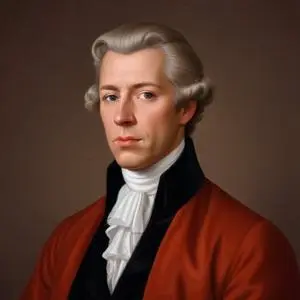
William Pitt the Younger: The Titan of British Politics
A Statesman of Unyielding Resolve
William Pitt the Younger, the youngest and last prime minister of Great Britain, left an indelible mark on the nation's history. He served as prime minister from 1783 to 1800, and again from 1801 until his death in 1806, occupying the role of Chancellor of the Exchequer throughout his tenure. Pitt's unwavering dedication to the British crown and his unshakeable resolve in the face of European turmoil earned him a reputation as a titan of British politics.
The French Revolution and the Napoleonic Wars
Pitt's prime ministerial tenure coincided with some of the most tumultuous events in European history. The French Revolution, which began in 1789, and the subsequent Napoleonic Wars, posed a significant threat to British sovereignty. Pitt, determined to counter the French menace, increased taxes to finance the war effort and implemented measures to suppress radicalism. His leadership during this period cemented his legacy as a strong and effective statesman.
A New Generation of Administrators
Pitt's commitment to efficiency and reform led to the emergence of a new generation of competent administrators. He surrounded himself with talented individuals, many of whom went on to hold esteemed positions in government. This focus on administrative excellence earned Pitt recognition as an outstanding leader who worked tirelessly to improve the machinery of government.
The Acts of Union 1800
In response to the threat of Irish support for France, Pitt engineered the Acts of Union 1800, which united Great Britain and Ireland under a single government. Although he failed to secure Catholic emancipation as part of the Union, this landmark legislation remains a testament to Pitt's skill as a statesman and his ability to adapt to changing circumstances.
A Reformer at Heart
Despite being often referred to as a Tory, Pitt considered himself an independent Whig. He opposed the development of a strict partisan political system, instead championing the causes of reform and efficiency. His commitment to the principles of Whiggism earned him admiration from his contemporaries, who respected his unwavering dedication to the public good.
A Legacy of Greatness
Historians and contemporaries alike have praised Pitt's exceptional leadership during a period of great upheaval. Asa Briggs notes that Pitt's personality, although not endearing to the British mind, was eclipsed by his greatness in the war with France. Lord Minto aptly described him as the "Atlas of our reeling globe."
William Wilberforce, a prominent abolitionist, lauded Pitt's personal purity, disinterestedness, and love for his country, declaring him unequalled in these virtues.
Personal Milestones and Key Life Events
- Born on May 28, 1759, in Hayes, Kent, England
- Became prime minister at the age of 24, the youngest in British history
- Served as prime minister from 1783 to 1800, and again from 1801 until his death in 1806
- Died on January 23, 1806, at the age of 46
Philosophical Contributions and Beliefs
Pitt's philosophy centered on the importance of efficient administration, reform, and a strong central government. He believed in the power of the state to shape the lives of its citizens and was willing to take bold action to ensure the nation's security and prosperity. His commitment to Whiggism and his rejection of strict partisanship reflect his conviction that government should serve the greater good, rather than the interests of a particular faction.
Influence on Modern Society
Pitt's legacy extends far beyond his own lifetime. His emphasis on administrative reform and his commitment to Whiggism have inspired generations of politicians and policymakers. His leadership during times of turmoil has served as a model for statesmen facing similar challenges. Today, Pitt's reputation as a strong, effective, and reform-minded leader continues to inspire and inform political discourse.
FAQ
What was William Pitt the Youngers role in British politics?
William Pitt the Younger was a prominent British politician who served as Prime Minister of the United Kingdom from 1783 to 1801 and again from 1804 to 1806. He played a significant role in shaping British foreign policy and domestic politics during a period of significant change and upheaval.
What were William Pitt the Youngers contributions to British economics?
William Pitt the Younger was a strong advocate for free trade and economic reform. He introduced several key policies, including the Consolidation Act, which simplified the British tax system and stimulated economic growth.
How did William Pitt the Younger respond to the French Revolution?
William Pitt the Younger was a vocal critic of the French Revolution and its ideals. He saw the Revolution as a threat to British stability and security, and he played a key role in shaping British foreign policy towards France during this period.
What was William Pitt the Youngers relationship with other politicians?
William Pitt the Younger was part of a network of prominent politicians, including Charles James Fox and Edmund Burke. He collaborated and corresponded with these figures, contributing to the development of British politics and policy during the late 18th century.
What is William Pitt the Youngers legacy in British history?
Today, William Pitt the Younger is remembered as a significant figure in British history, particularly for his role in shaping British politics and economics during a period of significant change. His contributions to British foreign policy and his leadership during times of crisis continue to be studied and celebrated by scholars and historians.