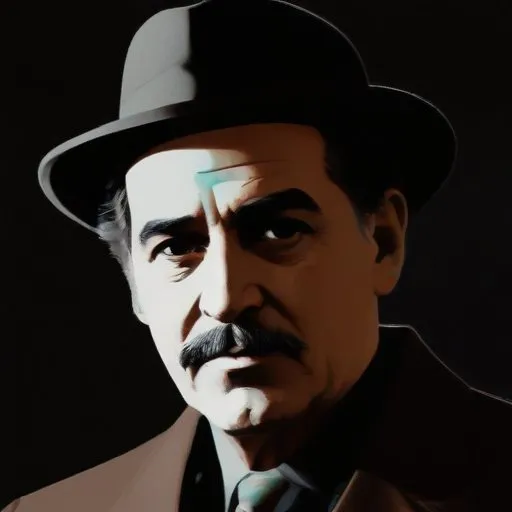
William Saroyan: The Armenian-American Literary Icon
A Master Storyteller of the Human Experience
William Saroyan is renowned for his poignant and evocative portrayals of the Armenian immigrant experience in California, earning him a Pulitzer Prize for Drama in 1940 and an Academy Award for Best Story in 1943. His works, including
The Time of Your Life,
My Name Is Aram, and
My Hearts in the Highlands, have cemented his status as a prominent literary figure of the 20th century.
Early Life and Inspiration
Born on August 31, 1908, in Fresno, California, to Armenian immigrants Armenak and Takuhi Saroyan, William's early life was marked by hardship and resilience. After his father's death, he was placed in an orphanage in Oakland, California, at the age of three, an experience that would later influence his writing. The family reunited five years later, and William's love for storytelling was nurtured by his mother's rich Armenian heritage.
Literary Contributions
Saroyan's literary career spanned multiple genres, including novels, plays, and short stories. His two collections of short stories,
Inhale Exhale (1936) and
The Daring Young Man on the Flying Trapeze (1941), are considered essential documents of the cultural history of the American West Coast during the 1930s. His novel
The Human Comedy, adapted from his original screenplay, is a powerful exploration of human relationships and community.
Award-Winning Achievements
- Pulitzer Prize for Drama (1940) for The Time of Your Life
- Academy Award for Best Story (1943) for The Human Comedy
Philosophical Contributions
Saroyan's writing often explored the human condition, delving into themes of identity, community, and the American Dream. His work is characterized by a minimalist style, which has been praised by authors such as
Kurt Vonnegut, who considers Saroyan the "first and still the greatest of all the American minimalists."
Personal Milestones and Legacy
Throughout his life, Saroyan was drawn to the Armenian diaspora experience, exploring the tensions between cultural heritage and American identity. His legacy continues to inspire new generations of writers and readers, with his work remaining a testament to the power of storytelling.
Quotes and Memorable Sayings
"I do not know what makes a writer, but it is not welfare of the sales. I do not know what makes a writer, but it is not the number of pages you write." - William Saroyan
Influence on Modern Society
Saroyan's work has had a lasting impact on the literary world, influencing authors such as
Stephen Fry, who considers him "one of the most underrated writers of the 20th century." His exploration of the Armenian-American experience has also shaped the cultural narrative, providing a voice to a previously underrepresented community.
Additional Facts and Trivia
- Saroyan's novel The Human Comedy was originally intended as a 240-page treatment for a film, which was rejected by the studio.
- He was known for his unconventional writing style, often typing on a rolled-up piece of paper or writing in pencil.
William Saroyan's remarkable body of work continues to captivate readers and inspire writers, solidifying his position as a towering figure in American literature.
FAQ
What was William Saroyans literary style?
William Saroyans literary style was known for its simplicity, directness, and emotional honesty, often exploring themes of identity, belonging, and the human condition.
What were William Saroyans most famous works?
William Saroyans most famous works include the plays The Time of Your Life and My Hearts in the Highlands, as well as the novel The Human Comedy.
What awards and honors did William Saroyan receive?
William Saroyan received numerous awards and honors, including the Pulitzer Prize, the Oscar, and the Academy Award.
What was William Saroyans relationship with his Armenian heritage like?
William Saroyan was deeply connected to his Armenian heritage and often explored Armenian themes and characters in his work.
How did William Saroyans writing reflect his experiences during World War II?
William Saroyans writing reflected his experiences during World War II, particularly in his novel The Human Comedy, which explores the impact of war on a small American town.