


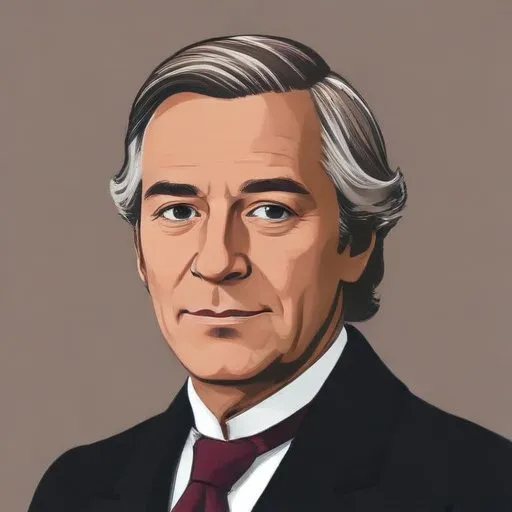
A colonial-era leader who served as Governor of Massachusetts Bay, known for his role in the French and Indian War and his efforts to strengthen British authority in the region.
William Shirley is best known for his instrumental role in organizing the successful capture of Louisbourg during King George's War, and for his pivotal role in managing military affairs during the French and Indian War. As a British Army officer and colonial administrator, Shirley's leadership and strategic thinking had a lasting impact on the British American colonies of Massachusetts Bay and the Bahamas.
Shirley's career in Massachusetts began as advocate general in the admiralty court, where he quickly became an opponent of Governor Jonathan Belcher. By joining forces with Belcher's political enemies, Shirley played a key role in bringing about Belcher's recall and was subsequently appointed Governor of Massachusetts Bay in his place.
Under Shirley's leadership, Massachusetts Bay flourished, and he successfully quieted political divisions within the province. His ability to bring about united action against New France during King George's War was a testament to his diplomatic skills and strategic thinking.
The capture of Louisbourg, a strategic French fort on Nova Scotia, was one of the crowning achievements of Shirley's administration. His role in organizing the successful campaign earned him recognition and praise from the British government.
However, Shirley's later years in Massachusetts were marred by disputes over funding and accounting for the war effort. His return to England in 1749 was marked by legal and political battles, which eventually led to his assignment to a commission established to determine colonial borders in North America.
Shirley's hardline approach to these negotiations contributed to their failure, and he returned to Massachusetts in 1753, only to be embroiled in military matters once again with the outbreak of the French and Indian War.
Shirley led a military expedition to reinforce Fort Oswego in 1755, and became Commander-in-Chief, North America, upon the death of General Edward Braddock. His leadership during this tumultuous period in American history was marked by bravery and strategic thinking.
William Shirley's legacy is complex and multifaceted. While he played a significant role in shaping the course of American history, his lack of formal military training and his involvement in disputes and controversies have been the subject of much debate and analysis.
Despite these criticisms, Shirley's contributions to the British American colonies of Massachusetts Bay and the Bahamas cannot be overstated. His diplomatic skills, strategic thinking, and leadership abilities made him a formidable figure in his time, and his legacy continues to fascinate historians and scholars to this day.
Born in 1588
A 17th-century English lawyer and politician who played a key role in establishing the Massachusetts Bay Colony and shaping its early government and laws. He's known for his "City upon a Hill" sermon, which emphasized the colony's mission to create a model Christian community.
Born in 1737
First Governor of Massachusetts, instrumental in American independence and famously signed the Declaration of Independence with a large, bold signature .
Born in 1722
A leading figure in the American Revolution, he played a key role in shaping the country's independence and democracy. He's also famous for his Boston Beer Company, which still brews his namesake beer today.
79 Years Old
A Pulitzer Prize-winning composer, known for blending minimalism with complex rhythms, creating a unique sound that resonates with audiences worldwide.
Born in 1735
This American patriot and artisan is famous for his midnight ride during the American Revolution, warning colonists that the British were coming, and for his iconic engravings, including the Boston Massacre depiction.
Born in 1725
A leading advocate for American independence from Britain, known for his passionate arguments against taxation without representation, inspiring the Boston Patriots and shaping the Revolution.
Born in 1736
A pioneering figure in American history, he played a key role in the American Revolution and is famous for declaring "Give me liberty or give me death!" in a speech that helped galvanize the colonial resistance against British rule.
Born in 1732
The first President of the United States, a military hero who led the country to independence, and set the standard for the office of the presidency. He's known for his honesty, integrity, and leadership skills.
