


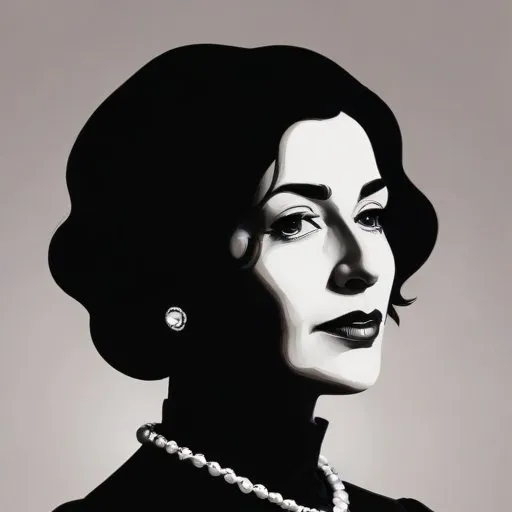
A wealthy heiress and patron of the arts, she supported avant-garde artists and composers, including Erik Satie and Igor Stravinsky, and was a prominent figure in Parisian cultural circles.
Winnaretta Singer, renowned as a patron of the arts and champion of public health, harnessed her vast fortune to foster creativity, innovation, and social change. Born into the Singer sewing machine dynasty, she leveraged her wealth to support emerging artists, fund groundbreaking projects, and reshape the cultural landscape of Paris, her adopted home.
Winnaretta Singer was born on January 8, 1865, in Yonkers, New York, to Isaac Singer, the founder of the Singer sewing machine empire, and his second wife, Isabella Eugénie Boyer. As the twentieth of twenty-four children, Winnaretta's early life was marked by luxury and privilege. However, this privilege came with a price – her mother's turbulent marriage to Victor-Nicolas Reubsaet, a Belgian violinist, which allegedly involved abuse.
As soon as she came of age, Winnaretta took control of her $1 million inheritance, freeing herself from the constraints of her family's turbulent relationships. She moved to Paris, where she would spend most of her life, using her wealth to forge a new path – one that would intertwine art, philanthropy, and social justice.
Winnaretta's Parisian home became a hub for artistic innovation, hosting a renowned musical salon that nurtured the talents of Claude Debussy, Maurice Ravel, and other influential composers. This salon, which she maintained throughout her life, served as a fertile ground for creative experimentation, fostering a new generation of artists who would shape the course of modern music.
Winnaretta's philanthropic pursuits extended far beyond the realm of art, as she devoted herself to various public health projects in Paris. Her tireless efforts to improve healthcare services, sanitation, and living conditions for the city's underprivileged populations earned her recognition and respect from the French public.
Winnaretta's personal life was marked by two marriages – both unconsummated – and a string of high-profile relationships with women. Her defiance of societal norms and expectations only added to her legend, as she remained unapologetically true to herself throughout her life. Despite the controversies, Winnaretta's enduring legacy as a patron of the arts, a champion of public health, and a beacon of LGBTQ+ pride continues to inspire generations.
Winnaretta Singer's remarkable life serves as a testament to the transformative power of philanthropy, innovation, and an unwavering commitment to one's values. As we reflect on her remarkable journey, we are reminded that wealth, when wielded responsibly, can become a potent force for good – shaping the course of history, inspiring creativity, and improving the human experience.
"The most important thing in life is to stop saying 'I wish' and start saying 'I will'." - Winnaretta Singer
Winnaretta Singer's extraordinary life stands as a shining example of the impact one person can have when driven by a passion for creativity, social justice, and human well-being. Her remarkable story continues to inspire, reminding us that true greatness lies not in one's wealth or status, but in the positive change we bring to the world around us.
