


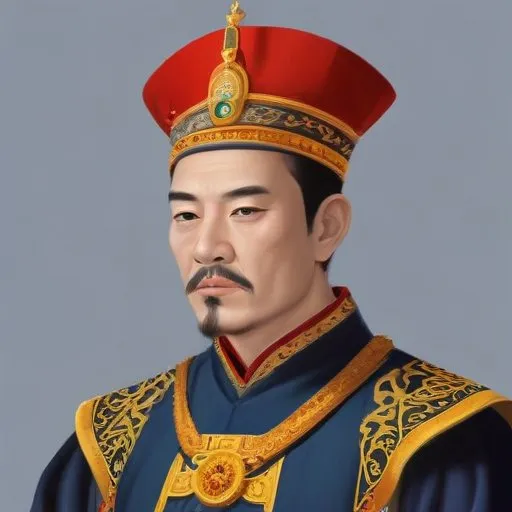
The last emperor of the Tang Dynasty, known for his brief reign and abdication, marking the end of a golden age in Chinese history.
Zhang Zong, also known as Emperor Zhangzong of Jin, is revered for his remarkable contributions to the Jin dynasty, including the construction of the breathtaking Taiye Lake in Beijing and the establishment of numerous Confucian temples throughout Northeast China.
Zhang Zong ascended to the throne on January 20, 1189, following the death of his grandfather, Emperor Shizong. During his reign, he implemented policies aimed at promoting Jurchen culture and customs, thereby solidifying the identity of the Jin dynasty. One of his notable reforms included the encouragement of the use of the Jurchen language, which became an integral part of the dynasty's cultural fabric.
Zhang Zong's most enduring legacy is the construction of Taiye Lake, an artificial lake in Beijing that continues to inspire wonder to this day. This magnificent architectural feat not only showcased the emperor's vision and ambition but also provided a testament to the ingenuity and craftsmanship of the Jin dynasty's engineers and artisans.
In addition to his architectural achievements, Zhang Zong was a patron of Confucianism, establishing numerous temples throughout Northeast China. This move not only demonstrated his commitment to promoting education and cultural development but also helped to foster a sense of unity and harmony among the people of the Jin dynasty.
Despite his many accomplishments, Zhang Zong's reign was not without its challenges. His increasing neglect of governmental affairs and favoritism towards his concubine, Li Shier, and her family members led to widespread discontent and ultimately contributed to the decline of the Jin dynasty.
The emperor's incompetence created an opportunity for the Mongol Empire to launch an invasion, which ultimately led to the downfall of the Jin dynasty. Zhang Zong's death on December 29, 1208, marked the end of an era, and his legacy was overshadowed by the rise of the Yuan dynasty, which would eventually reunify China.
Zhang Zong's legacy extends beyond the realm of politics and architecture. His promotion of Confucianism and Jurchen culture has had a lasting impact on Chinese cultural identity, shaping the country's rich cultural heritage.
Today, Taiye Lake remains a popular tourist destination, attracting millions of visitors each year. This enduring symbol of Zhang Zong's vision and ambition serves as a testament to the emperor's lasting impact on Chinese history and culture.
