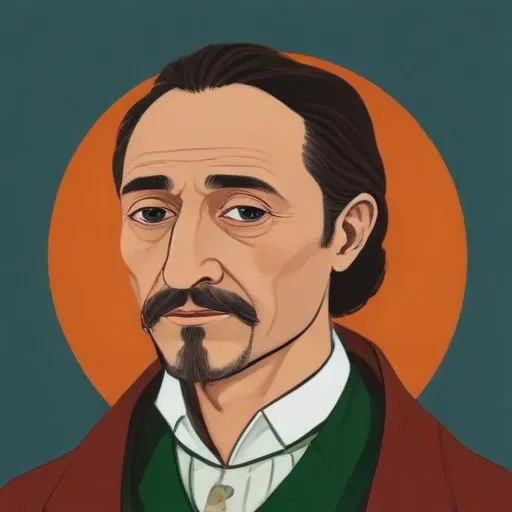
Rádai Péter Dr. Tth: The Illustrious Hungarian Poet and Translator
Early Life and Education
Rádai Péter Dr. Tth, affectionately known as Tth, was a Hungarian poet and translator, renowned for his poignant lyrical poetry and remarkable translations of celebrated authors. Born on April 14, 1886, Tth pursued his secondary education at the gymnasium in Debrecen and later studied German and Hungarian at the University of Budapest.
Rise to Prominence
Tth's literary journey began in 1907, when his poems started appearing in prominent papers such as
A Hét and
Vasárnapi Újság. His talent and dedication earned him a position as a theater critic for
Debreceni Nagy Újság in 1911. His association with the esteemed literary journal
Nyugat further solidified his reputation as a prominent poet.
Literary Contributions
Tth's core themes revolved around the fleeting nature of happiness and the inevitability of resignation. His poetry masterfully captured the essence of the human experience, resonating with readers across generations. As a translator, he played a significant role in introducing Hungarian readers to the works of literary giants such as Milton,
Oscar Wilde, Shelley, Keats, Baudelaire, Flaubert, Gautier, Maupassant, and Chekhov.
Personal Struggles and Legacy
Tth's life was marred by poverty and illness. He struggled with tuberculosis, which forced him to seek refuge at the Svedlr Sanitorium in the Tatra Mountains. Despite his personal struggles, he continued to write, producing remarkable works that have stood the test of time. In 1921, he joined the staff of
Az Est, a prominent Hungarian newspaper. Tragically, Tth succumbed to his illness on November 7, 1928, leaving behind a legacy that continues to inspire and influence Hungarian literature.
Honors and Recognition
In recognition of his immense contributions to Hungarian literature, a secondary school in Debrecen was named after him. In 2011, the Hungarian National Bank issued a commemorative silver coin celebrating the 125th anniversary of Tth's birth. These tributes serve as a testament to the enduring impact of his work on Hungarian culture.
Conclusion
Rádai Péter Dr. Tth's life and work continue to captivate readers and inspire writers. Despite the challenges he faced, his poetry and translations remain an integral part of Hungarian literary heritage. As we reflect on his remarkable life and legacy, we are reminded of the transformative power of art and the indelible mark it leaves on our collective consciousness.
FAQ
What is Árpád Tóths most notable contribution to Hungarian literature?
Tóth was a prominent poet and translator, known for his translations of French and German literature into Hungarian.
What inspired Árpád Tóths poetry?
Tóths work was influenced by the Hungarian and European avant-garde movements, as well as the works of Baudelaire and Verlaine.
Has Árpád Tóths work been recognized with awards?
Yes, Tóth was awarded the Baumgarten Prize in 1933 for his literary contributions.
What is Árpád Tóths connection to the Hungarian poet Endre Ady?
Tóth was a close friend and admirer of Ady, and often translated his work into French and German.
Has Árpád Tóths poetry been translated into other languages?
Yes, Tóths poetry has been translated into French, German, and English, introducing his work to a broader audience.