


The Ruby Ridge standoff, a pivotal event in American history, is known for its intense 11-day siege that pitted Randy Weaver, a former Green Beret, against federal authorities in Ruby Ridge, Idaho. The standoff, which ended on August 30, 1992, with Weaver's surrender, was marked by controversy, tragedy, and a lingering impact on the nation's perception of law enforcement.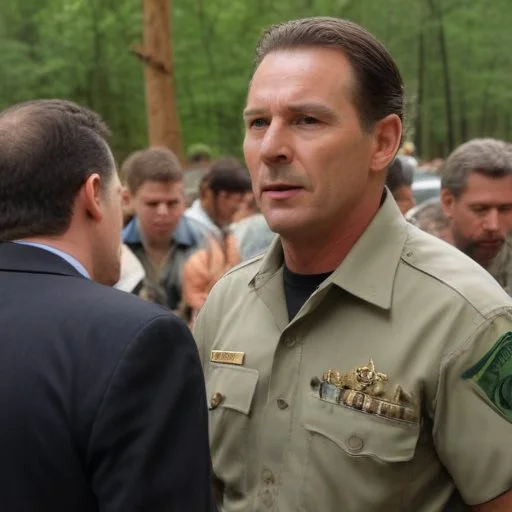
In the early 1990s, the Ruby Ridge area in northern Idaho was home to a growing number of anti-government extremists and white supremacists. The region's remote location and lax law enforcement made it an attractive haven for those seeking to escape the government's gaze. Randy Weaver, a former Green Beret, had moved to Ruby Ridge in the 1980s, where he became acquainted with members of the Aryan Nations, a white supremacist group.
The Ruby Ridge standoff had far-reaching consequences, including:
The Ruby Ridge standoff has been referenced in popular culture, including:
The Ruby Ridge standoff remains a contentious issue, with ongoing debates surrounding:
The Ruby Ridge standoff serves as a poignant reminder of the tensions between individual liberties and government authority. The event's legacy continues to shape the national conversation on law enforcement, civil liberties, and the limits of government power.
As Randy Weaver himself said, "The government is not above the law. It's the people who are supposed to be in charge, not the government."
The Ruby Ridge area in northern Idaho had a long history of attracting anti-government individuals and groups, dating back to the 1970s. The region's remoteness and lack of economic opportunities made it an attractive haven for those seeking to escape the government's gaze. In the years leading up to the standoff, the area had seen a significant influx of white supremacists and neo-Nazis, who saw the region as a potential hub for their ideological movements.
The Weaver family's arrival in the area in the 1980s was seen as a welcome addition to the community by some, but others viewed them with suspicion. Randy Weaver's association with the Aryan Nations, a white supremacist group, raised concerns among local law enforcement and the FBI.

Randy Weaver's background as a Green Beret and his subsequent involvement with the Aryan Nations had a profound impact on his worldview. He saw the government as an oppressive force, intent on restricting individual liberties and promoting a multicultural agenda. This belief system led him to become increasingly reclusive and hostile towards outsiders.
Weaver's wife, Vicki, was a devout Christian and a homemaker, who had been homeschooling their children. She was deeply devoted to her family and played a crucial role in shaping their children's worldview. Her death during the standoff was a devastating blow to the family and sparked widespread outrage.
The Ruby Ridge standoff had a profound impact on popular culture, influencing music, film, and literature. The incident inspired songs by artists like Steve Earle and James McMurtry, who saw Weaver as a symbol of resistance against an overreaching government.
In literature, the standoff has been referenced in books like "Ruby Ridge: The Truth and Tragedy of the Randy Weaver Family" by Jess Walter and "Every Knee Shall Bow" by Jess Walter. These works offer a nuanced exploration of the incident and its aftermath, providing a deeper understanding of the complex issues involved.

The Ruby Ridge standoff highlighted the need for law enforcement agencies to re-evaluate their tactics and strategies when dealing with anti-government groups and individuals. The incident led to widespread criticism of the FBI's handling of the situation, with many arguing that their actions were heavy-handed and unconstitutional.
The incident also sparked a national debate on the role of government in American society, with some arguing that the government had overstepped its authority and others seeing Weaver as a threat to national security. This debate continues to shape American politics to this day.
The Ruby Ridge standoff was not an isolated incident, but rather part of a larger pattern of anti-government sentiment and extremism in the United States. The 1990s saw a significant rise in militia movements and anti-government groups, who saw the government as an oppressive force.
The incident was also influenced by broader geopolitical trends, including the rise of the neo-conservative movement and the end of the Cold War. These factors contributed to a sense of disillusionment and distrust among certain segments of the American population, who saw Weaver as a hero fighting against an overreaching government.