


On January 4, 2007, the 110th United States Congress convened, marking a watershed moment in American political history. As the newly elected members took their seats, a trailblazing figure emerged, shattering a centuries-old glass ceiling: Nancy Pelosi, the first female Speaker of the House in U.S. history.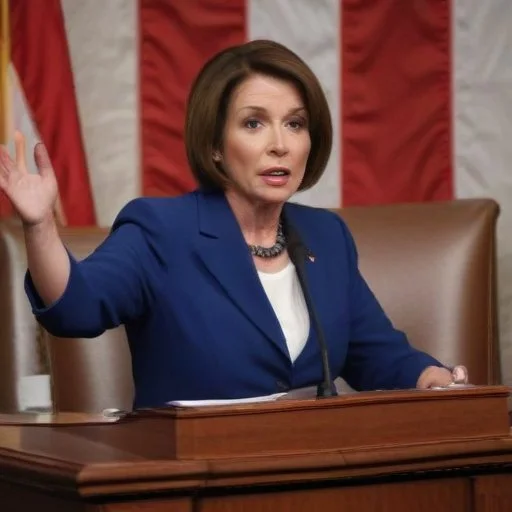
The election of Pelosi marked a significant shift in the political landscape, as she became the highest-ranking elected woman in U.S. history. This milestone was not only a testament to her own dedication and perseverance but also paved the way for future generations of women in politics.
Pelosi's rise to power was no accident. With a strong background in politics, she had served in the House of Representatives since 1987, representing California's 8th congressional district. Her ascent was fueled by her strategic thinking, tireless work ethic, and commitment to public service.
As Speaker, Pelosi championed a progressive platform, focusing on issues such as healthcare, education, and economic development. Her leadership style was marked by a strong sense of bipartisanship, as she worked to build coalitions and find common ground with her Republican counterparts.
Key legislative achievements during Pelosi's speakership included the passage of the State Children's Health Insurance Program (SCHIP) and the American Recovery and Reinvestment Act (ARRA), a stimulus package aimed at revitalizing the economy during the 2008 financial crisis.
Pelosi's election as the first female Speaker of the House sent a powerful message, inspiring women across the country to pursue careers in politics. Her trailblazing legacy continues to resonate, as women increasingly take on leadership roles in government and beyond.
In the words of Pelosi herself, "The oath of office is not simply a ritual, it's a commitment to the people we serve."
Nancy Pelosi's groundbreaking achievement has left an indelible mark on American politics. As a testament to her enduring legacy, she has continued to serve as a champion for progressive values, inspiring a new generation of leaders and cementing her place in history as a trailblazer and a true American icon.
The election of Nancy Pelosi as the first female Speaker of the House had a profound impact on American culture, symbolizing a significant shift in the role of women in politics. Her achievement inspired a new generation of women to pursue careers in politics, sparking a wave of female empowerment that continues to resonate today.
The "Pelosi Effect" was palpable, as women across the country were galvanized by her historic achievement. According to a Washington Post report, the number of women running for Congress increased by 60% in the 2008 elections, with many citing Pelosi as a role model.
Pelosi's election also challenged traditional gender stereotypes, inviting a reevaluation of the roles and expectations placed on women in politics. Her leadership style, marked by a strong sense of bipartisanship and a commitment to public service, provided a refreshing alternative to the traditional masculine norms that had long dominated the political landscape.

Nancy Pelosi's rise to power was facilitated by a unique confluence of political and social factors. The 2006 midterm elections, in which Democrats regained control of the House, provided a crucial opportunity for Pelosi to ascend to the speakership.
The growing dissatisfaction with the Bush administration's policies, coupled with the war in Iraq and a sluggish economy, had created a political climate ripe for change. Pelosi capitalized on this momentum, leveraging her coalition-building skills to unite a divided party and secure the necessary votes for the speakership.
Nancy Pelosi's election as Speaker of the House occurred at a critical juncture in American history, as the country grappled with the challenges of globalization and the War on Terror. The 2006 midterm elections, in which Democrats regained control of Congress, marked a significant shift in the balance of power, with Pelosi's ascension to the speakership symbolizing a new era of Democratic leadership.
Pelosi's leadership was shaped by her commitment to progressive values and her willingness to challenge the Bush administration's policies, particularly on issues such as healthcare and education. Her speakership was marked by a renewed emphasis on international cooperation and diplomacy, as she sought to rebuild America's relationships with its allies and promote a more nuanced approach to global governance.

Historians have hailed Nancy Pelosi's election as Speaker of the House as a watershed moment in American political history, marking a significant shift in the role of women in politics and government. Pelosi's achievement has been situated within the broader context of the women's suffrage movement, with many scholars viewing her election as a culmination of the struggles and sacrifices of earlier generations of women activists.
Some historians have drawn parallels between Pelosi's election and other landmark moments in American history, such as the election of Barack Obama as the first African American President. Both events, they argue, represent a significant expansion of the boundaries of political power and a redefinition of what it means to be an American leader.
Nancy Pelosi's leadership style and policy priorities have drawn comparisons with other influential female leaders, such as Margaret Thatcher and Angela Merkel. Like these leaders, Pelosi has demonstrated a formidable political acumen, combining strategic thinking with a deep understanding of the complexities of governance.
However, Pelosi's commitment to progressive values and her emphasis on social justice and equality have distinguished her from more conservative female leaders. Her leadership has been marked by a willingness to challenge entrenched power structures and promote a more inclusive and equitable society.