


The 1997 Central Texas tornado outbreak is etched in the collective memory of the region as a calamitous event that spawned multiple tornadoes, leaving a trail of destruction and despair in its wake. The most devastating of these twisters was an F5 tornado that ravaged the small town of Jarrell, claiming 27 lives and inflicting widespread destruction.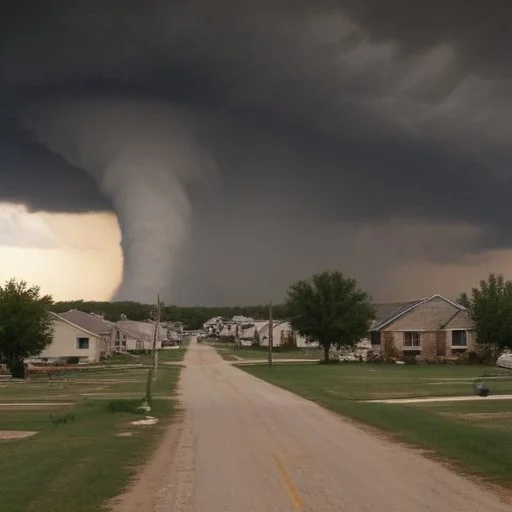
In the late spring of 1997, Central Texas was beset by a series of severe thunderstorms, which laid the groundwork for the tornado outbreak. The region's unique geography, characterized by the confluence of moist air from the Gulf of Mexico and dry air from the west, created a volatile mix of atmospheric conditions. This combination of factors set the stage for the formation of tornadoes, which would ultimately exact a heavy toll on the region.
The 1997 Central Texas tornado outbreak was a watershed moment in the region's history, leaving an indelible mark on the communities affected. The Jarrell F5 tornado, in particular, was a stark reminder of the fury and unpredictability of nature. In the aftermath of the disaster, the full extent of the devastation became clear: 27 lives lost, hundreds injured, and entire neighborhoods reduced to rubble.
The tornado outbreak had a profound impact on the social fabric of Central Texas, galvanizing communities to come together in support of those affected. The disaster also led to a renewed focus on tornado preparedness and emergency response, with local authorities and residents alike recognizing the importance of vigilance in the face of severe weather.
In the aftermath of the disaster, questions arose regarding the effectiveness of the region's warning systems and emergency response protocols. While some praised the efforts of local authorities, others criticized the perceived delay in issuing tornado warnings, which potentially contributed to the high casualty count.
Survivors of the Jarrell F5 tornado recall the terror and chaos of that fateful day, with many describing the tornado as a "dark, swirling monster" that seemed to appear without warning. One resident, who lost her home and several family members, vividly remembers the sound of the tornado's approach, likening it to "a never-ending freight train."
The 1997 Central Texas tornado outbreak served as a turning point in the region's approach to tornado preparedness and disaster response. The disaster led to significant improvements in warning systems, emergency protocols, and community outreach, ultimately saving countless lives in the face of subsequent severe weather events.
The 1997 Central Texas tornado outbreak was a devastating reminder of the raw power of nature. Through its sheer destruction and loss of life, the event indelibly marked the region's history, serving as a catalyst for improved tornado preparedness and disaster response. As a testament to the resilience of those affected, the legacy of this tragedy continues to inspire and educate, ensuring that the memories of that fateful day are never forgotten.
In the 1990s, weather forecasting was still in its early stages of development. While computer models and radar systems had improved significantly, predicting the exact timing and location of tornadoes remained a challenge. The 1997 Central Texas tornado outbreak highlighted the need for more accurate and timely warnings, leading to significant investments in weather forecasting technology.
One of the key factors that contributed to the severity of the outbreak was the failure of the National Weather Service's (NWS) warning system. At the time, the NWS relied on a primitive warning system that relied on radar and human observation. This system was prone to false alarms and failed to provide adequate warning to those in the path of the tornadoes.

Texas Governor George W. Bush played a crucial role in the response to the 1997 Central Texas tornado outbreak. Bush, who was in his first term as governor, quickly declared a state of emergency and mobilized state resources to aid in the relief efforts.
Bush's response to the disaster was widely praised, and his leadership helped to calm the fears of those affected. His administration worked closely with local authorities, the Federal Emergency Management Agency (FEMA), and other organizations to provide aid and support to the affected communities.
The 1997 Central Texas tornado outbreak had a profound impact on the region's music and cultural scene. The disaster brought the community together, and musicians from across Texas rallied to support the affected areas.
One of the most notable responses was the "Tornado Relief Concert," held in Austin, Texas, which featured performances by some of the state's most prominent musicians. The concert raised thousands of dollars for relief efforts and helped to lift the spirits of those affected.

The 1997 Central Texas tornado outbreak had significant economic consequences for the region. The disaster resulted in an estimated $40 million in damages, making it one of the costliest tornado outbreaks in Texas history.
The outbreak also had a profound impact on the local economy, with many businesses forced to close temporarily or permanently. The disaster led to a decline in tourism and commerce, which had a ripple effect on the entire region.
The 1997 Central Texas tornado outbreak occurred against the backdrop of severe weather patterns that affected the entire southern United States. The outbreak was part of a larger weather pattern that spawned over 50 tornadoes across the region.
The disaster highlighted the need for regional cooperation and coordination in response to severe weather events. The outbreak led to increased collaboration between state and federal agencies, as well as neighboring states, to improve disaster response and preparedness.