


The Al-Aaimmah bridge stampede, which occurred on August 31, 2005, is one of the deadliest stampedes in recent history, claiming the lives of 953 people, mostly Shiite pilgrims. This devastating event took place on a bridge over the Tigris River in Baghdad, Iraq, during a religious procession to the shrine of Imam Musa al-Kadhim.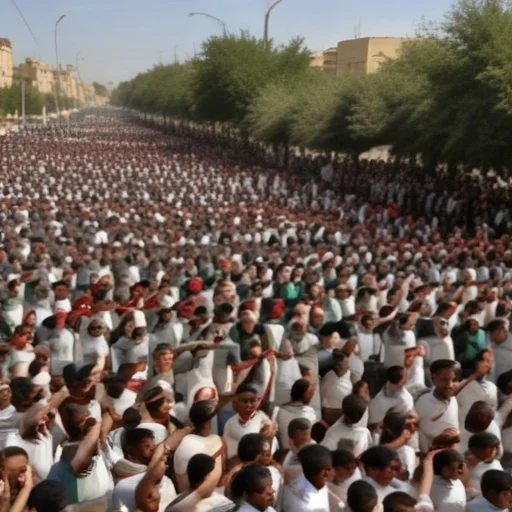
The stampede was sparked by rumors of a suicide bomber in the crowd, causing widespread panic among the thousands of pilgrims gathered on the bridge. The resulting chaos led to a crush of people, with many being trampled or suffocated to death.
The rumors of a suicide bomber were quickly spread through the crowd, fueled by the already tense atmosphere in the wake of the Iraq War. The pilgrims, many of whom were women and children, were desperate to escape the perceived threat, leading to a rush towards the exits. This mass panic ultimately proved to be fatal, as the narrow bridge was unable to accommodate the sudden surge of people.
The events of that fateful day unfolded as follows:
The Al-Aaimmah bridge stampede was met with widespread shock and outrage, with many questioning the security measures in place to prevent such a tragedy. The Iraqi government faced criticism for its handling of the disaster, with some accusing officials of downplaying the death toll and withholding information from the public.
The Al-Aaimmah bridge stampede has had a lasting impact on Iraq and the world at large. It highlighted the need for improved crowd control measures at large gatherings, and served as a grim reminder of the devastating consequences of panic and misinformation.
The victims of the Al-Aaimmah bridge stampede will never be forgotten. Their memory serves as a poignant reminder of the importance of safety, security, and responsible leadership in times of crisis.
The Al-Aaimmah bridge stampede was not an isolated incident in Iraq's history of tragic events. Just a year prior, in 2004, a series of bombings during the Ashoura celebrations in Karbala and Baghdad killed over 180 people and injured hundreds more. This and other similar incidents had created an atmosphere of tension and fear among the Iraqi population, particularly during religious gatherings.
In the years leading up to the stampede, Iraq had become a hotspot for sectarian violence, with Sunni and Shia groups engaging in deadly clashes. The country was still reeling from the aftermath of the US-led invasion in 2003, which had toppled Saddam Hussein's regime but left a power vacuum that extremist groups were quick to exploit.
This volatile environment had a profound impact on the psyche of the Iraqi people, making them increasingly anxious and suspicious of their surroundings. When the rumors of a suicide bomber began to spread on the Al-Aaimmah bridge, it was only a matter of time before panic set in.

Imam Musa al-Kadhim, the seventh Shia Imam, is a revered figure in Shia Islam. Born in 745 CE, he was a direct descendant of the Prophet Muhammad and played a significant role in the development of Shia theology. His shrine in Baghdad, which was the destination of the pilgrims on the day of the stampede, is one of the most important Shia pilgrimage sites in the world.
Imam al-Kadhim's legacy extends beyond his religious teachings. He is also remembered for his bravery and defiance in the face of persecution. During the Abbasid Caliphate, Imam al-Kadhim was imprisoned and eventually martyred, but his message of resistance and hope continues to inspire millions of Shia Muslims around the world.
The pilgrims who set out to visit his shrine on that fateful day were driven by a deep sense of devotion and spirituality. For them, the journey was not just about paying respects to a revered figure, but also about seeking guidance and solace in times of turmoil.
The Al-Aaimmah bridge stampede had a profound impact on the cultural fabric of Iraq. The tragedy served as a wake-up call for the Iraqi government, prompting them to re-examine their security protocols and crowd control measures during religious gatherings.
In the aftermath of the disaster, there was a renewed focus on promoting interfaith dialogue and understanding. Shia and Sunni religious leaders came together to condemn the tragedy and call for greater unity and cooperation among the Iraqi people.
The stampede also had a significant impact on the Iraqi arts scene. Many writers, poets, and artists responded to the tragedy by creating works that reflected on the human cost of the disaster and the need for greater empathy and compassion in Iraqi society.

The Al-Aaimmah bridge stampede took place against the backdrop of a volatile geopolitical landscape. The US-led invasion of Iraq in 2003 had toppled Saddam Hussein's regime, but it had also created a power vacuum that extremist groups were quick to exploit.
In the years leading up to the stampede, the insurgency against the US-led coalition forces had intensified, with groups like Al-Qaeda in Iraq (AQI) launching a series of deadly attacks on civilians and military targets.
The Iraqi government, led by Prime Minister Ibrahim al-Jaafari, was struggling to assert its authority and provide basic security to its citizens. The Al-Aaimmah bridge stampede was a stark reminder of the challenges facing the government and the need for greater international cooperation to stabilize the region.
The Al-Aaimmah bridge stampede had significant political implications for the Iraqi government. The disaster was widely seen as a failure of the government's security apparatus, and many Iraqis blamed the authorities for not doing enough to prevent the tragedy.
The Iraqi government faced intense criticism for its handling of the disaster, with many accusing officials of downplaying the death toll and withholding information from the public.
The stampede also had an impact on the country's political landscape, with many Iraqis turning against the government and demanding greater accountability and transparency.