


On a fateful day in 1960, the city of Agadir, located on Morocco's Atlantic coast, was left in ruins after a powerful earthquake measuring 5.7 on the Richter scale struck without warning. The quake's extreme intensity of X, the highest rating on the Modified Mercalli Intensity Scale, left a trail of destruction that would be etched in the memories of its survivors forever.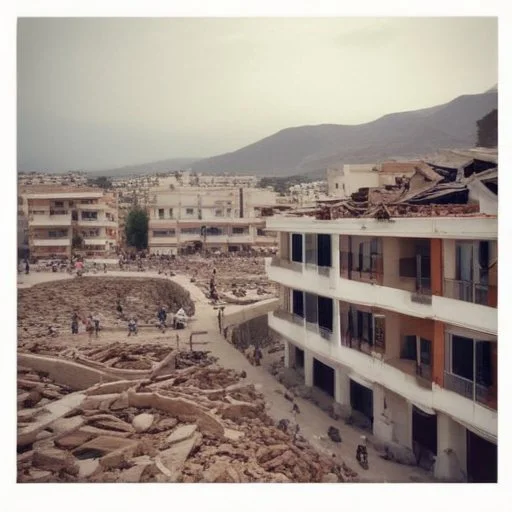
The earthquake, which struck on February 29, 1960, was a disaster of unprecedented proportions. The city's infrastructure crumbled, with buildings collapsing like dominoes, and the streets filling with debris and dust. The quake's impact was so severe that it reshaped the city's landscape, causing widespread panic and chaos.

The Agadir earthquake claimed the lives of 12,000 people, with another 12,000 injured. The numbers are staggering, but they only tell part of the story. The earthquake left countless families without homes, without loved ones, and without a sense of security.
The international community rallied around Morocco, providing aid and assistance to help the devastated city recover. The rebuilding efforts were massive, with teams of architects, engineers, and construction workers working tirelessly to rebuild the city and restore its infrastructure.
Today, Agadir is a thriving city once again, with modern buildings, paved streets, and a vibrant economy. However, the memory of that fateful day in 1960 is still etched in the minds of its residents. The city's resilience and determination to rebuild are a testament to the human spirit, and a reminder that even in the face of disaster, there is always hope for a better tomorrow.
The Agadir earthquake of 1960 was a watershed moment in Moroccan history, leading to significant changes in the country's disaster response and preparedness. It also led to improvements in building codes and construction practices, ensuring that future generations would be better protected from the forces of nature.
The earthquake also had a profound impact on the city's culture and identity. The tragedy brought the community together, fostering a sense of unity and resilience that continues to this day. The city's residents, known for their hospitality and warm welcomes, will always remember the day that their city was shaken to its core, and the long journey of rebuilding that followed.
The Agadir earthquake had a profound impact on Moroccan culture and identity. In the aftermath of the disaster, the city's residents came together to rebuild and recover, fostering a sense of community and resilience that continues to define Agadir today.
In the face of tragedy, the city's inhabitants rediscovered their cultural heritage, placing a renewed emphasis on traditional music, art, and craftsmanship. This cultural renaissance helped to heal the emotional wounds of the earthquake, allowing the city to emerge stronger and more vibrant than ever before.
Today, Agadir's cultural landscape is a testament to the city's ability to transform tragedy into triumph. The city's annual festivals, such as the Festival International de Musique, celebrate the richness and diversity of Moroccan culture, while also honoring the memory of those lost in the earthquake.

The Agadir earthquake dealt a devastating blow to the city's economy, destroying infrastructure, businesses, and homes. The total economic loss was estimated to be in the hundreds of millions of dollars, with many small business owners and artisans forced to start from scratch.
The earthquake also disrupted the city's thriving tourism industry, which had been a major driver of economic growth in the region. However, in the years that followed, the government and international community invested heavily in rebuilding and revitalizing the city's infrastructure, paving the way for a new era of economic growth and development.
Today, Agadir is once again a thriving economic hub, with a diverse range of industries and businesses contributing to the city's prosperity.
The Agadir earthquake occurred during a period of significant geopolitical change in Morocco. The country had gained independence from France just four years earlier, and the government was still in the process of consolidating its power and shaping the country's future.
The earthquake provided an opportunity for the government to demonstrate its commitment to the welfare of its citizens, and to showcase its ability to respond to natural disasters. The international community's response to the disaster also highlighted Morocco's growing importance on the global stage.
The earthquake played a significant role in shaping Morocco's development trajectory, with the government investing heavily in disaster preparedness and mitigation measures in the years that followed.
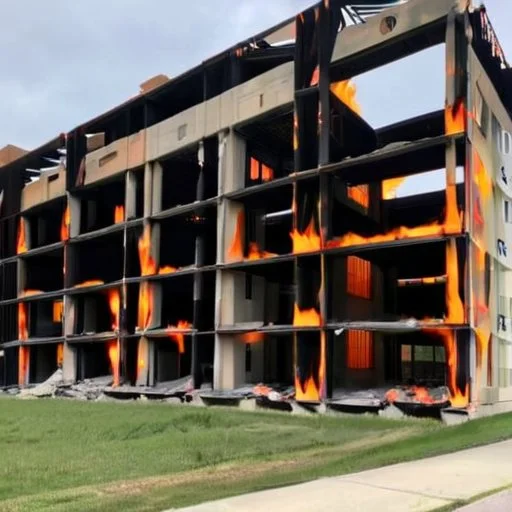
In the days and weeks that followed the earthquake, the city of Agadir was in a state of chaos and devastation.
March 1960: International aid began to arrive, with teams of rescue workers, engineers, and medical personnel working to search for survivors and provide emergency assistance.
April 1960: The Moroccan government established a reconstruction committee, tasked with overseeing the rebuilding of the city and its infrastructure.
May 1960: The first reconstruction projects began, with teams of workers laboring to clear rubble, repair damaged buildings, and construct new homes.
The Agadir earthquake led to significant advances in earthquake engineering and seismology, as scientists and engineers sought to understand the causes of the disaster and develop new technologies to mitigate its impact.
The development of more sensitive seismographs and early warning systems allowed for more accurate predictions of earthquakes, saving countless lives in the years that followed. The disaster also spurred the development of new building codes and construction practices, designed to minimize the impact of future earthquakes.
Today, Agadir is at the forefront of earthquake research and development, with scientists and engineers from around the world coming to the city to study and learn from its experiences.