


The date of May 31, 1970, will forever be etched in the collective memory of Peru as the day when a colossal earthquake, measuring 7.9 on the Richter scale, struck the Ancash region, unleashing a maelstrom of devastation that would claim tens of thousands of lives and leave an indelible mark on the nation's history.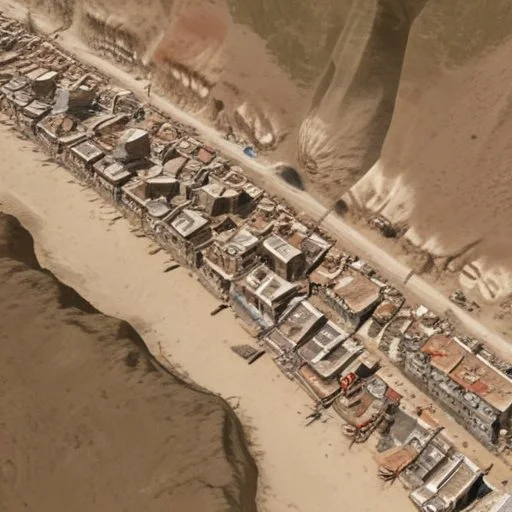
In the aftermath of the earthquake, a massive landslide, fueled by the unstable terrain and torrential rains, swept through the town of Yungay, burying it under an avalanche of mud and debris. The picturesque town, nestled in the heart of the Andes, was transformed into a desolate wasteland, its inhabitants trapped beneath the unforgiving weight of the landslide.
The Ancash earthquake, with its maximum Mercalli intensity of VIII Severe, exacted a staggering toll on the region. The estimated death toll ranged from 66,794 to 70,000, with a further 50,000 injured, making it one of the deadliest natural disasters in Peruvian history.
Peru, located in the seismically active Andean region, has long been prone to earthquakes. The Ancash region, situated in the northwest of the country, is particularly vulnerable due to its location near the boundary between the Nazca and South American tectonic plates. This geological setup makes it an area of high seismic activity, with the potential for devastating earthquakes like the one that struck in 1970.
The Ancash earthquake was a result of a complex interplay between tectonic forces, plate boundaries, and geographical factors. The earthquake's shallow focal depth, approximately 45 km, and its proximity to the town of Yungay ensured that the impact was catastrophic. The subsequent landslide, triggered by the earthquake, was fueled by the region's rugged terrain, heavy rainfall, and the instability of the Andean landscape.
In the aftermath of the disaster, a massive humanitarian response was mobilized, with international aid pouring in from around the world. Rescue efforts were hampered by the remote location of the affected areas, but eventually, medical teams, search and rescue crews, and aid workers managed to reach the stricken region. The road to recovery was long and arduous, but the resilience and determination of the Peruvian people ultimately prevailed.
The Ancash earthquake and Yungay landslide left an indelible mark on Peru, shaping the nation's disaster response mechanisms and influencing its approach to natural disaster management. The tragedy also raised awareness about the importance of emergency preparedness, infrastructure development, and environmental conservation in seismically active regions.
In the face of unimaginable tragedy, the people of Peru demonstrated remarkable strength, solidarity, and determination. The story of the Ancash earthquake and Yungay landslide serves as a poignant reminder of the power of nature and the importance of preparedness, as well as a testament to the unbreakable human spirit.
The economic impact of the Ancash earthquake was devastating, with estimates suggesting that the disaster resulted in losses of around $1 billion, approximately 10% of Peru's GDP at the time. The earthquake and subsequent landslide led to the destruction of crucial infrastructure, including roads, bridges, and buildings, which severely disrupted commerce and trade in the region. The disaster also had a significant impact on the country's agricultural sector, with many farms and crops affected by the earthquake and landslide.
In the aftermath of the disaster, the Peruvian government faced significant challenges in rebuilding and recovering. The cost of reconstruction efforts was substantial, and the government struggled to allocate resources effectively. The earthquake also led to a significant increase in poverty and unemployment in the affected regions, with many residents forced to flee their homes and seek shelter in makeshift camps.
International Aid and AssistanceThe international community responded swiftly to the disaster, with many countries and organizations providing aid and assistance to Peru. The United States, in particular, played a significant role in providing humanitarian aid, with President Richard Nixon pledging $10 million in emergency assistance. Other countries, including Chile, Argentina, and Brazil, also provided significant support to Peru in the aftermath of the disaster.

In the days and weeks following the Ancash earthquake, a sense of desperation and chaos gripped the affected regions. With communication networks severely damaged, news of the disaster was slow to spread, and rescue efforts were initially hindered by the remote location of the affected areas. As the full extent of the devastation became clear, the Peruvian government struggled to respond effectively, with many critics accusing officials of being slow to react to the crisis.
Despite the challenges, a remarkable story of resilience and courage emerged in the aftermath of the disaster. Local residents, many of whom had lost loved ones and homes, worked tirelessly to help rescue efforts, providing shelter and support to those in need. The earthquake also brought out the best in many Peruvians, with countless acts of heroism and kindness reported in the days and weeks that followed.
A Turning Point in Peruvian HistoryThe Ancash earthquake marked a turning point in Peruvian history, with the disaster serving as a catalyst for significant changes in the country's disaster response mechanisms. In the years that followed, the Peruvian government invested heavily in developing new emergency response systems, improving infrastructure, and strengthening building codes. The earthquake also led to increased investment in education and awareness programs, aimed at promoting disaster preparedness and mitigation.
The Ancash earthquake is often compared to other major natural disasters, including the 1960 Chilean earthquake and the 1964 Alaska earthquake. While each disaster has its unique characteristics, the Ancash earthquake stands out due to its unprecedented scale of destruction and loss of life. The disaster also shares some striking similarities with the 1976 Tangshan earthquake in China, which occurred just six years later and resulted in an estimated 240,000 deaths.
One of the key differences between the Ancash earthquake and other major disasters is its unique geological context. The earthquake occurred in a region of high seismic activity, where the Nazca and South American tectonic plates meet. This unique combination of geological factors made the Ancash region particularly vulnerable to a major earthquake.
Lessons LearnedThe Ancash earthquake provided valuable lessons for disaster management and emergency response. The disaster highlighted the importance of preparedness, evacuation drills, and effective communication systems in mitigating the impact of natural disasters. The earthquake also underscored the need for investment in infrastructure development, particularly in seismically active regions.
The Ancash earthquake had a profound impact on Peruvian culture, with the disaster influencing art, literature, and music in the years that followed. Many Peruvian artists and writers drew inspiration from the disaster, creating works that reflected the chaos, destruction, and resilience of the affected communities.
The earthquake also had a significant impact on traditional Andean music, with many musicians using their art to express grief, anger, and solidarity with the victims. The disaster inspired a new wave of popular music, known as "música chicha," which emerged in the 1970s and became a defining feature of Peruvian cultural identity.
Memorials and CommemorationThe Ancash earthquake is commemorated each year on May 31, with ceremonies and memorials held across Peru. The disaster is remembered through various forms of cultural expression, including music, art, and literature, which serve as a testament to the enduring impact of the tragedy on Peruvian culture.
The Ancash earthquake occurred at a time of significant geopolitical upheaval in South America. The disaster coincided with the rise of leftist movements across the continent, including the Cuban Revolution and the Chilean socialist government of Salvador Allende. The earthquake also occurred during a period of heightened tensions between the United States and the Soviet Union, with the Cold War casting a long shadow over regional politics.
The Peruvian government's response to the disaster was closely watched by neighboring countries, many of which were concerned about the potential impact of the earthquake on regional stability. The disaster also led to increased international cooperation, with countries across the region providing aid and assistance to Peru.
A New Regional LandscapeThe Ancash earthquake marked a significant shift in the regional landscape, with Peru emerging as a key player in South American politics. The disaster led to increased investment in regional cooperation and disaster management, with countries recognizing the need for collective action in the face of natural disasters.