


The morning of April 18, 1906, will forever be etched in the memories of San Franciscans as the day their city was ravaged by one of the most devastating natural disasters in American history. A massive 7.9-magnitude earthquake struck at 5:12 am, unleashing a torrent of destruction that would claim over 3,000 lives, leave hundreds of thousands homeless, and reshape the very fabric of the city.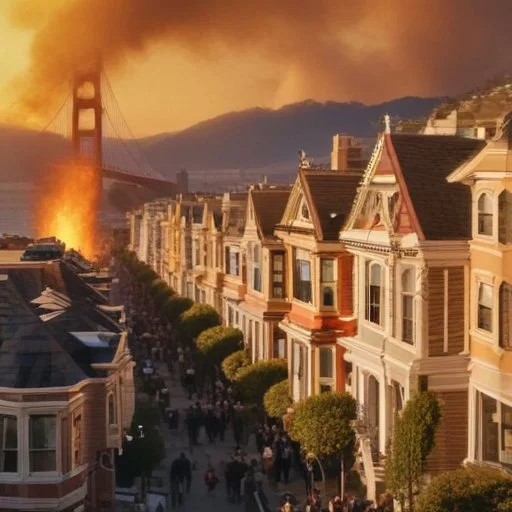
In the early 20th century, San Francisco was a thriving metropolis, boasting a population of over 400,000 people. The city was known for its vibrant cultural scene, thriving economy, and stunning architecture. However, beneath the surface, the city's infrastructure was precarious, with many buildings constructed on unstable soil and lack of enforcing building codes.
The earthquake, with its epicenter near San Francisco, struck without warning, sending shockwaves throughout the city. The tremors toppled buildings, snapped gas pipes, and ignited fires that would soon engulf the city. The conflagration, fueled by strong winds and closely-packed wooden buildings, raged unchecked for several days, consuming everything in its path.
As the city burned, a small band of rescuers, including firefighters, soldiers, and ordinary citizens, risked their lives to battle the flames and rescue those trapped in the rubble. One such hero was Lt. Frederick Funston, who led a group of soldiers in fighting the fires and maintaining order in the chaos that followed. His bravery and leadership earned him the nickname "The Savior of San Francisco."
The earthquake and fire left San Francisco in ruins, with over 80% of the city destroyed. The disaster led to a massive influx of aid, with donations pouring in from across the country. The rebuild effort was spearheaded by the renowned architect, Bernard Maybeck, who envisioned a new San Francisco, with wider streets, modern buildings, and a focus on safety and sustainability.
The earthquake and fire had a profound impact on the cultural and social fabric of San Francisco. The disaster led to a renewed sense of community, with residents coming together to rebuild and support each other. The tragedy also spurred significant changes in building codes, emergency preparedness, and disaster response, making San Francisco a model for urban resilience.
One of the most enduring legacies of the earthquake and fire is the tale of Enrico Caruso, the famous opera singer, who was performing in San Francisco at the time of the disaster. Despite losing his hotel and belongings, Caruso refused to leave the city, instead using his talents to raise morale and funds for the relief effort. His bravery and selflessness have inspired generations to come.
The Great San Francisco Earthquake and Fire of 1906 has had a lasting impact on the way cities prepare for and respond to natural disasters. The tragedy led to significant advancements in seismology, emergency preparedness, and urban planning, making it a turning point in the history of disaster management.
Today, San Francisco stands as a testament to the resilience and determination of its people. The city's rebirth from the ashes of the 1906 disaster has inspired generations, serving as a beacon of hope in the face of adversity. As the city continues to thrive, its residents remain forever mindful of the lessons learned from that fateful day, April 18, 1906.
The Great San Francisco Earthquake and Fire of 1906 had a profound impact on the cultural landscape of the city. The disaster led to a renewed sense of community, with residents coming together to rebuild and support each other. The tragedy also spurred a cultural rebirth, with artists, writers, and musicians using the earthquake as inspiration for their work.
One notable example is the poetry of Jack London, who was living in San Francisco at the time of the earthquake. London's poetry and writings about the disaster, such as "The Story of an Eye-Witness," captured the emotions and experiences of those who lived through the tragedy.
The earthquake and fire also led to a shift in the city's cultural identity, with San Francisco embracing its resilience and adaptability. The city's motto, "San Francisco, the City That Knows How," was coined in the aftermath of the disaster, reflecting the city's determination to rebuild and thrive.

The economic impact of the Great San Francisco Earthquake and Fire of 1906 was devastating. The disaster resulted in an estimated $8 billion in damages, equivalent to over $250 billion in today's dollars.
The earthquake and fire led to a significant decline in San Francisco's economy, with many businesses forced to shut down or relocate. However, the tragedy also led to a surge in reconstruction efforts, with millions of dollars pouring in from across the country.
The rebuild effort was led by prominent businessmen and philanthropists, such as Andrew Carnegie, who donated $100,000 to the relief effort. The earthquake and fire also led to significant investments in infrastructure, including the construction of new buildings, roads, and utilities.
Lt. Frederick Funston: The Savior of San Francisco
Lt. Frederick Funston was a hero of the Great San Francisco Earthquake and Fire of 1906. As commander of the Presidio garrison, Funston led a group of soldiers in fighting the fires and maintaining order in the chaos that followed the disaster.
Funston's bravery and leadership earned him the nickname "The Savior of San Francisco." He was hailed as a hero by the people of San Francisco, and his actions during the disaster remain an inspiration to this day.

The Great San Francisco Earthquake and Fire of 1906 was not an isolated event, but rather part of a larger sequence of seismic activity in California. In the years leading up to the disaster, a series of smaller earthquakes had struck the San Francisco Bay Area, causing minor damage and raising concerns about the region's seismic vulnerability.
The earthquake and fire were also followed by a series of aftershocks, which continued to rock the region for months after the disaster. These aftershocks caused further damage and disruption, but also provided valuable insights for scientists studying the earthquake.
The 1906 earthquake and fire were a major turning point in the study of seismology, leading to significant advances in our understanding of earthquakes and their causes.
The San Francisco Chronicle's Extraordinary Edition
In the aftermath of the Great San Francisco Earthquake and Fire of 1906, the San Francisco Chronicle published an extraordinary edition, featuring firsthand accounts of the disaster and dramatic photographs of the destruction.
The edition, published on April 19, 1906, is now considered a rare and valuable artifact, offering a unique glimpse into the immediate aftermath of the tragedy.
The Chronicle's edition is a testament to the power of journalism in times of crisis, and serves as a valuable resource for historians and researchers today.