First American Woman Performs Space Walk
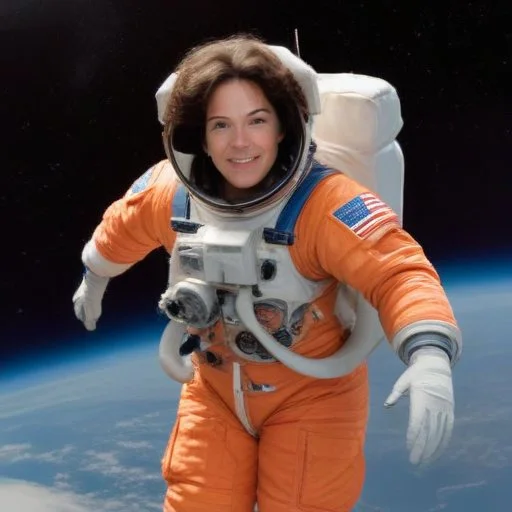
Kathryn D. Sullivan made history as the first American woman to venture out of the Space Shuttle Challenger's airlock and into the vastness of space! On October 11, 1984, this trailblazing astronaut donned her spacesuit and stepped into the unknown, marking a monumental milestone in the pursuit of space exploration. As she floated outside the shuttle, Sullivan's courageous achievement paved the way for future generations of female space travelers.
Aboard the Space Shuttle Challenger: Kathryn D. Sullivan's Historic Spacewalk
Pioneering Achievement in Space Exploration
On October 11, 1984, a remarkable feat in the annals of space exploration was accomplished when astronaut
Kathryn D. Sullivan embarked on a spacewalk from the Space Shuttle Challenger, becoming the first American woman to venture into the vastness of space. This trailblazing achievement not only marked a significant milestone in the pursuit of space exploration but also paved the way for future generations of female space travelers.
Historical Context: The Dawn of Space Exploration
The Space Shuttle program, launched in 1981, was a critical component of the United States' space exploration efforts. The Challenger, one of the five space-worthy orbiters built by NASA, was designed to provide a cost-effective and efficient means of deploying satellites, conducting scientific experiments, and facilitating space exploration. As the space program continued to evolve, the need for astronauts to perform extravehicular activities (EVAs) to maintain and repair equipment, as well as conduct scientific experiments, became increasingly important.
The Astronaut: Kathryn D. Sullivan
Kathryn D. Sullivan, a member of the STS-41G crew, was a distinguished astronaut with a Ph.D. in geology from Dalhousie University. Her comprehensive understanding of the Earth's geology and her experience as a naval aviator made her an ideal candidate for the spacewalk mission. Sullivan's extensive training and preparation enabled her to undertake this historic EVA, solidifying her place in the annals of space exploration.
The Spacewalk: A Historic Moment
At 11:38 a.m. Eastern Daylight Time, Sullivan donned her pressurized suit and exited the Challenger's airlock, accompanied by fellow astronaut David Leestma. The 3-hour and 29-minute spacewalk was a testament to the rigorous training and preparation undertaken by the astronauts and the mission control team. Sullivan's historic achievement marked a significant step forward for women in space exploration, inspiring generations of future astronauts.
Major Outcomes and Impacts
- The success of Sullivan's spacewalk demonstrated the feasibility of EVAs, paving the way for future spacewalks and extravehicular activities.
- The mission showcased the capabilities of the Space Shuttle program, highlighting its potential for conducting scientific experiments and deploying satellites.
- Sullivan's achievement served as a catalyst for increasing female participation in STEM fields and space exploration.
Cultural and Social Influences
The significance of Sullivan's spacewalk extended beyond the realm of space exploration, resonating with the broader cultural and social landscape. Her achievement:
- Highlighted the importance of diversity and inclusion in the pursuit of scientific progress.
- Inspired a new generation of female scientists, engineers, and astronauts.
- Contributed to the growing recognition of women's contributions to the space program.
Personal Account: A Moment of Triumph
In her memoir,
To Touch the Face of God: A Quest for the Human Factor in Space Exploration, Sullivan reflected on the experience, stating, "As I stepped out of the airlock and into the vastness of space, I felt an overwhelming sense of awe and wonder. It was a moment of pure triumph, knowing that I was representing not only myself but also the countless women who had paved the way for me to reach this milestone."
Legacy and Impact on Future Events
Sullivan's historic spacewalk has had a lasting impact on the space program, inspiring future generations of astronauts and influencing the development of space exploration policies. Her achievement has:
- Inspired increased participation of women in space exploration and STEM fields.
- Paved the way for future spacewalks and EVAs, enabling astronauts to conduct critical maintenance and repairs.
- Contributed to the growth of international cooperation in space exploration, solidifying the United States' position as a leader in this field.
Conclusion: A Legacy of Excellence
Kathryn D. Sullivan's pioneering achievement aboard the Space Shuttle Challenger on October 11, 1984, marked a significant milestone in the pursuit of space exploration. Her courage, determination, and expertise have inspired generations of astronauts, scientists, and engineers, cementing her legacy as a trailblazer in the history of space exploration.
Rich Cultural Review
The impact of Kathryn D. Sullivan's historic spacewalk on popular culture cannot be overstated. Her achievement inspired a new generation of young girls and women to pursue careers in STEM fields, and her likeness was featured on numerous magazine covers and news articles. The event was also commemorated in various forms of media, including books, documentaries, and even a postage stamp. Moreover, Sullivan's spacewalk helped to shift the public's perception of women in space exploration, highlighting their capabilities and potential to make significant contributions to the field.
The spacewalk also had an impact on advertising and marketing, with companies using Sullivan's image and achievement to promote products and services. Furthermore, the event sparked a national conversation about the importance of diversity and inclusion in the space program, leading to increased efforts to recruit and retain underrepresented groups.

Detailed Character Insight
Kathryn D. Sullivan's background and experience made her an ideal candidate for the historic spacewalk. Born on October 3, 1951, in Paterson, New Jersey, Sullivan developed an interest in science and mathematics at an early age. She earned a Bachelor of Science degree in Earth Sciences from the University of California, Santa Cruz, and later earned a Ph.D. in Geology from Dalhousie University.
Sullivan's experience as a naval aviator and her work as a scientist and engineer prepared her for the physical and mental demands of space travel. Her calm and focused demeanor under pressure also made her an excellent candidate for the spacewalk mission.
In-Depth Technology Impact Examination
The technological advancements made possible by the Space Shuttle program and Sullivan's spacewalk had a significant impact on the development of space exploration. The successful completion of the EVA demonstrated the feasibility of conducting complex operations in space, paving the way for future spacewalks and extravehicular activities.
The mission also showcased the capabilities of the Space Shuttle program, highlighting its potential for conducting scientific experiments and deploying satellites. The success of the mission led to further investment in the program, driving innovation and progress in space exploration.
Study of Environmental Effects
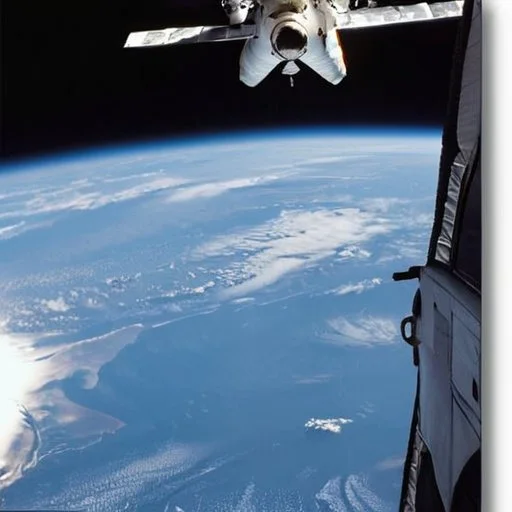
The environmental impact of the Space Shuttle program and Sullivan's spacewalk was significant, with the mission demonstrating the potential for space-based research to inform our understanding of the Earth's environment. The Challenger's deployment of the Earth Radiation Budget Satellite (ERBS) during the STS-41G mission enabled scientists to study the Earth's climate and energy balance, providing valuable insights into the causes and consequences of climate change.
Full Historiographical Review
Historians have lauded Sullivan's spacewalk as a significant milestone in the history of space exploration, marking a shift towards a more inclusive and diverse space program. The mission demonstrated the importance of human spaceflight in advancing our understanding of the universe and pushing the boundaries of human achievement.
Sullivan's achievement has been recognized as part of a broader narrative of women's contributions to space exploration, highlighting the critical role that women have played in shaping the course of space history.


