


On November 6, 1860, Abraham Lincoln, a relatively unknown lawyer from Illinois, made history by becoming the 16th President of the United States, securing a narrow victory with only 40% of the popular vote in a fiercely contested four-way race.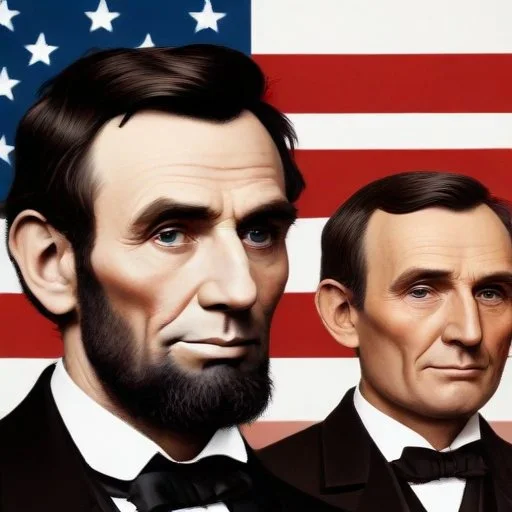
The election of 1860 was a poignant reflection of the deep-seated divisions plaguing the United States. The country was on the cusp of chaos, with the issue of slavery threatening to tear the nation asunder. Against this backdrop of turmoil, four strong contenders vied for the highest office in the land: Abraham Lincoln, John C. Breckinridge, John Bell, and Stephen A. Douglas.
Lincoln's electoral victory was a testament to the power of his convictions and the growing disillusionment with the status quo. Despite receiving only 40% of the popular vote, Lincoln's commitment to preserving the Union and limiting the spread of slavery resonated with a majority of the electorate.
The election of 1860 had far-reaching consequences, as the South seceded from the Union in response to Lincoln's victory. The ensuing Civil War would claim the lives of hundreds of thousands of Americans and leave the nation scarred for generations to come.
Lincoln's inauguration marked the beginning of a new era in American politics, as he sought to navigate the treacherous landscape of sectionalism and slavery. His leadership would ultimately redefine the role of the federal government and cement his place in the pantheon of American heroes.
In the aftermath of his election, Lincoln's words in his First Inaugural Address would echo throughout history: "We must not be enemies. Though passion may have strained, it must not break our bonds of affection. The mystic chords of memory, stretching from every battlefield and patriot grave, to every living heart and hearthstone, all over this broad land, will yet swell the chorus of the Union, when again touched, as surely they will be, by the better angels of our nature."
Abraham Lincoln's election in 1860 was a beacon of hope in a nation torn apart by division and strife. His presidency would ultimately be cut short by an assassin's bullet, but his legacy would endure, inspiring generations of Americans to strive for a more perfect Union.
Copyright © 2023, All Rights Reserved.
The election of 1860 marked a significant milestone in the rise of the Republican Party, which was formed in 1854 as an anti-slavery coalition. The party's platform, which called for the limitation of slavery in new states and territories, resonated with many Northerners who were concerned about the growing power of the Southern slave-holding elite.
Lincoln's victory was a testament to the party's growing influence and its ability to mobilize support across the North. The Republican Party's success was fueled by its strong grassroots organization, effective campaign strategies, and charismatic leaders like Lincoln.
Historical Significance:The election of 1860 marked a turning point in American history, as it cemented the Republican Party's position as a major force in national politics. The party's commitment to limiting slavery paved the way for the eventual abolition of slavery and the reshaping of the American political landscape.

Stephen A. Douglas, also known as the "Little Giant," was a complex and enigmatic figure in American politics. A prominent senator from Illinois, Douglas was a Northern Democrat who opposed the expansion of slavery, but his views were often overshadowed by his rivalry with Lincoln.
Douglas's stance on slavery was ambiguous, and he was criticized by both abolitionists and pro-slavery factions. Despite this, he remained a influential figure in American politics, known for his wit, charm, and sharp intellect.
Personal Life:Douglas's personal life was marked by tragedy, including the loss of his first wife and his struggles with illness. Despite these challenges, he remained a dedicated public servant, committed to finding solutions to the nation's problems.
The 1860 presidential campaign was marked by stark contrasts between the two leading candidates, Abraham Lincoln and John C. Breckinridge. Lincoln's campaign focused on the theme of "free soil, free labor, and free men," emphasizing the importance of stopping the spread of slavery.
In contrast, Breckinridge's campaign centered on states' rights and the protection of Southern interests. Breckinridge's supporters saw Lincoln as a threat to their way of life, while Lincoln's supporters viewed Breckinridge as a champion of slavery.
Comparative Analysis:Despite their differences, both campaigns shared a common goal: to win the presidency and shape the future of the United States. The election of 1860 was a turning point in American history, marking the beginning of a new era in American politics.
Abraham Lincoln's election in 1860 had a profound cultural impact on the United States. The election marked a turning point in the nation's struggle with slavery, and many saw Lincoln's victory as a beacon of hope for a more unified and equal society.
The election also had a significant impact on the arts, with many writers, poets, and musicians drawing inspiration from Lincoln's life and legacy. From Whitman's poetry to Horatio Greenough's sculptures, Lincoln's image and ideals were etched into the American cultural landscape.
Influencing the National Psyche:Lincoln's election and subsequent presidency helped to shape the national psyche, fostering a sense of unity and purpose among Americans. His commitment to preserving the Union and ending slavery resonated with many, and his legacy continues to inspire and influence American culture to this day.
Abraham Lincoln's political genius was on full display during the 1860 presidential campaign. By uniting the fragmented Northern vote, Lincoln was able to secure a narrow victory and shift the balance of power in American politics.
Lincoln's success was due in part to his ability to build coalitions and forge alliances with rival factions. He Courted the support of key Northern leaders, won over moderate voters, and shrewdly maneuvered to outflank his opponents.
Political Legacy:Lincoln's political legacy extended far beyond his election in 1860. His leadership during the Civil War and his commitment to preserving the Union redefined the role of the federal government and cemented his place as one of America's greatest presidents.