


On November 7, 1996, ADC Airlines Flight 086, a Boeing 727 aircraft, crashed on approach to Murtala Muhammed International Airport in Lagos, Nigeria, claiming the lives of all 144 people on board. This devastating event remains one of the deadliest aviation accidents in Nigerian history, leaving an indelible mark on the nation's psyche.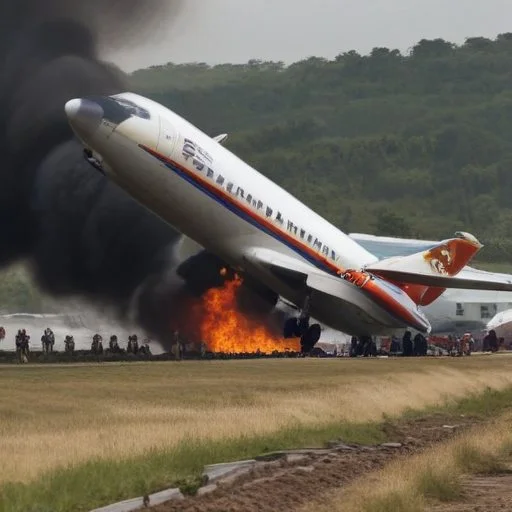
The ill-fated flight departed from Port Harcourt International Airport in southern Nigeria, bound for Murtala Muhammed International Airport in Lagos. On board were 136 passengers and 8 crew members, including the flight captain, who had over 10,000 hours of flying experience.
At approximately 14:35 local time, Flight 086 began its approach to Runway 18R at Murtala Muhammed International Airport. As the aircraft descended, air traffic control lost contact with the pilots. Witnesses reported seeing the plane flying low and struggling to maintain altitude before it crashed into a densely populated area near the airport.
The crash site was quickly engulfed in flames, making it difficult for rescue teams to access the area. Emergency services responded promptly, but their efforts were hindered by the lack of adequate equipment and resources. The investigation into the crash was led by the Nigerian Accident Investigation Bureau, with assistance from the US National Transportation Safety Board (NTSB).
The investigation revealed that the probable cause of the crash was pilot error, attributed to the captain's failure to follow standard operating procedures during the approach. The pilots' lack of situational awareness and inadequate communication with air traffic control further contributed to the tragedy.
The ADC Airlines Flight 086 disaster led to a major overhaul of Nigeria's aviation industry. The government implemented stricter safety regulations, enhanced pilot training programs, and invested in modernizing airport infrastructure. The tragedy also spurred international efforts to improve aviation safety standards globally.
The crash of Flight 086 was met with an outpouring of grief across Nigeria, with mourning declarations and memorial services held in honor of the victims. The airport's cargo terminal was renamed the "ADC Crash Memorial Terminal" in memory of those who lost their lives in the tragedy.
The ADC Airlines Flight 086 disaster serves as a poignant reminder of the importance of aviation safety and the need for continued improvement in the industry. As we remember the lives lost, we honor their memory by striving for a safer skies for all.
The ADC Airlines Flight 086 disaster is often compared to other notable aviation accidents in Nigeria, such as the 1973 Kano air disaster, which claimed the lives of 176 people. While both incidents involved pilot error, the Flight 086 crash was distinct in its impact on the country's aviation industry, leading to a major overhaul of safety regulations and pilot training programs.
In contrast to other disasters, such as the 1991 collapse of the Nigerian Airways Fokker F27, which was attributed to mechanical failure, the Flight 086 crash highlighted the importance of human factors in aviation safety. This distinction has led to a greater emphasis on crew resource management and situational awareness in pilot training.

The ADC Airlines Flight 086 disaster had a significant economic impact on Nigeria, with estimates suggesting that the crash resulted in losses of over $100 million. The incident also led to a decline in air travel in Nigeria, with passenger numbers dropping by over 20% in the following year.
The crash also had a ripple effect on the country's economy, with businesses and industries reliant on air transportation feeling the impact. The disaster led to increased costs for airlines, as they were forced to implement new safety measures and invest in pilot training programs.
The ADC Airlines Flight 086 disaster had a profound cultural impact on Nigeria, leading to a period of national mourning and reflection. The incident was met with widespread outrage and sadness, with many Nigerians expressing shock and disbelief at the tragedy.
The crash also led to a renewed focus on safety and accountability in Nigerian society, with calls for greater transparency and accountability in the aviation industry. The disaster has since become an important cultural reference point, symbolizing the need for improved safety standards and greater responsibility in the sector.

The ADC Airlines Flight 086 disaster occurred during a period of significant political upheaval in Nigeria, with the country still reeling from the aftermath of the 1993 presidential election crisis. The incident was seen by many as a symbol of the country's broader governance and infrastructure challenges.
The crash also highlighted the importance of international cooperation in aviation safety, with the US National Transportation Safety Board (NTSB) playing a key role in the investigation. The incident underscored the need for global standards and best practices in aviation safety, and paved the way for greater international collaboration in the sector.
Historians have interpreted the ADC Airlines Flight 086 disaster as a turning point in Nigerian aviation history, marking a shift towards greater emphasis on safety and accountability. The incident has been seen as a catalyst for change, leading to a major overhaul of the country's aviation industry and the implementation of new safety regulations.
The crash has also been viewed within the broader context of African aviation history, highlighting the need for greater investment in safety infrastructure and pilot training programs across the continent. The incident has thus become an important case study in the complexities and challenges of aviation safety in developing countries.