


On July 18, 1925, Adolf Hitler, the enigmatic leader of the Nazi Party, published his seminal work, Mein Kampf, sending shockwaves throughout Germany and beyond. This 720-page tome was more than just a book – it was a manifesto, a call to arms, and a window into the mind of the man who would stop at nothing to reshape Germany in his vision.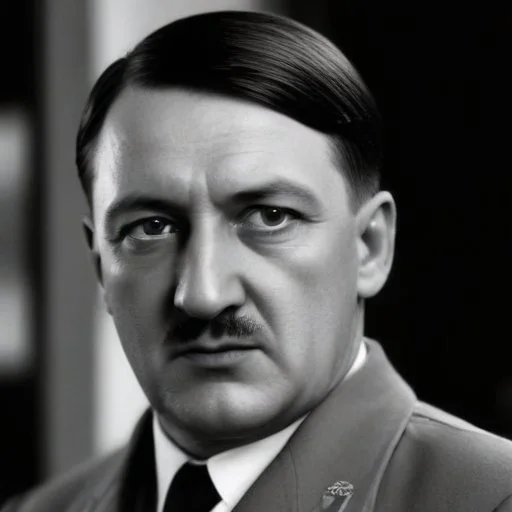
Mein Kampf, which translates to "My Struggle" in English, was a culmination of Hitler's thoughts, ideologies, and autobiographical anecdotes. The book was a scathing critique of Germany's post-World War I landscape, which Hitler believed was marred by the Treaty of Versailles, the Weimar Republic, and the perceived threats of Marxism, Jews, and foreign influences.
Through Mein Kampf, Hitler outlined his vision for a unified, racially pure Germany, where the Aryan race would reign supreme. He denounced the Treaty of Versailles, calling it a "dictated peace," and blamed the Jews for Germany's economic woes. His anti-Semitic rhetoric was laced with calls for German expansion, militarization, and the need for a strong leader to unite the country.
Mein Kampf became an instant bestseller, with over 280,000 copies sold by the end of 1928. The book's success was a testament to Hitler's growing influence and the rising tide of Nazi ideology. For many Germans, Mein Kampf was a beacon of hope, a call to action, and a promise of redemption.
The book's popularity was fueled by Hitler's charismatic persona, his ability to tap into the Germany's sense of nationalistic pride, and his promise to restore honor and dignity to the German people. Mein Kampf became a sacred text for the Nazi Party, a rallying cry for those who believed in Hitler's vision for a new Germany.
Adolf Hitler's publication of Mein Kampf marked a turning point in his career. The book solidified his position as the Nazi Party's leader, cementing his role as the architect of the Nazi empire.
Mein Kampf introduced the world to Hitler's ideology, which would eventually lead to one of the most devastating conflicts in human history. The book's inflammatory rhetoric, anti-Semitic vitriol, and militaristic fervor set the stage for the Nazi Party's rise to power and the atrocities that would follow.
Mein Kampf's publication had far-reaching consequences, contributing to the rise of Nazi Germany and its subsequent atrocities. The book's ideology played a significant role in shaping the Nazi regime's policies, including the systematic persecution and extermination of six million Jews during the Holocaust.
In the end, Mein Kampf served as a blueprint for the destruction of humanity, a testament to the dangers of unchecked ambition, hate, and bigotry. As we reflect on this pivotal moment in history, we are reminded of the importance of combating hate speech, promoting tolerance, and embracing diversity.
Adolf Hitler's publication of Mein Kampf on July 18, 1925, was a watershed moment that shook the world. As we delve into the complexities of this event, we are forced to confront the darkest aspects of human nature and the devastating consequences of hate and ambition.
Mein Kampf's publication had a profound impact on German culture, perpetuating a sense of victimhood and resentment towards the Treaty of Versailles. The book's inflammatory rhetoric and anti-Semitic vitriol resonated with many Germans who felt humiliated and betrayed by the war's outcome. As a result, Mein Kampf became a cultural touchstone, galvanizing a sense of nationalist sentiment and paving the way for the Nazi Party's rise to power.
The book's cultural significance extended beyond Germany's borders, influencing far-right movements across Europe and inspiring similar ideologies. Mein Kampf's toxic ideology seeped into the fabric of European society, contributing to the normalization of hate speech and the erosion of democratic values.

Adolf Hitler's personality was a complex tapestry of contradictions, driven by a singular focus on reshaping Germany in his image. His charismatic persona, marked by intense passion and conviction, was honed through years of public speaking and rabble-rousing. Hitler's magnetism was undeniable, drawing in disillusioned Germans who were desperate for a savior.
But beneath the surface, Hitler's insecurities and paranoias drove his actions. His obsessive anti-Semitism, rooted in a deep-seated fear of Jewish Bolshevism, fueled his radical ideology. As Mein Kampf reveals, Hitler's persona was a carefully crafted construct, designed to inspire devotion and intimidate opposition.
The economic impact of Mein Kampf's publication was tangible, as the book's popularity helped to fuel the Nazi Party's growth and influence. As the party's ideology permeated German society, businesses began to align themselves with the Nazi agenda, paving the way for the party's eventual seizure of power.
The book's emphasis on autarky, protectionism, and state-led economic development resonated with German industrialists, who saw the Nazi Party as a bulwark against communism and a champion of German economic interests. Mein Kampf's economic vision, though flawed and contradictions-ridden, helped to win over key sectors of the German economy, laying the groundwork for the Nazi regime's subsequent economic policies.
The geopolitical context of Mein Kampf's publication was one of chaos and uncertainty, as Europe struggled to recover from the devastation of World War I. The Treaty of Versailles, imposed on Germany by the Allied powers, had created a sense of injustice and resentment among the German people, paving the way for the rise of extremist ideologies like Nazism.
In this volatile environment, Mein Kampf's inflammatory rhetoric and militaristic fervor resonated with many Germans, who saw the book as a call to action and a promise of redemption. As the Nazi Party grew in strength, its ideology began to reshape the German political landscape, ultimately contributing to the downfall of the Weimar Republic and the rise of the Third Reich.
Mein Kampf, as a physical artifact, is a revealing window into Adolf Hitler's psyche and ideology. The book's original manuscript, penned in 1924-1925, is a testament to Hitler's obsessive dedication to his craft. The manuscript's scribbled notes, corrections, and emendations reveal a perfectionist driven by a singular vision.
The book's typography, layout, and design also merit attention. The use of bold, Gothic script and patriotic imagery creates a sense of grandeur and authority, underscoring Hitler's messianic pretensions. As an artifact, Mein Kampf is a masterpiece of propaganda, designed to inspire devotion and intimidate opposition.