


Aeroflot Flight N528, a routine flight turned devastating tragedy, is etched in the annals of aviation history as a stark reminder of the importance of attention to detail. On that fateful day, the Soviet-built Antonov An-24 turboprop crashed on the runway at Berdiansk Airport in present-day Ukraine, claiming the lives of eight people on board and leaving many more injured.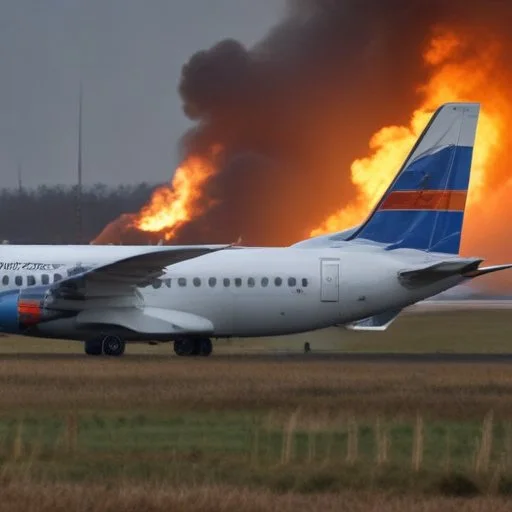
The Antonov An-24, a widely used turboprop aircraft in the Soviet Union, was piloted by an experienced crew. However, it was later revealed that the copilot, who was responsible for configuring the plane's flaps, was still in training and lacked sufficient experience. This deadly combination of experience and inexperience would prove to be a critical factor in the crash.
The events leading up to the crash were a series of seemingly minor oversights and miscalculations. The crew's failure to properly configure the plane's flaps during landing led to a loss of control, resulting in the aircraft veering off the runway and crashing.
The subsequent investigation revealed that pilot error was the primary cause of the crash. The crew's failure to properly configure the plane's flaps led to a loss of control, resulting in the tragic outcome. The investigation's findings served as a wake-up call for the aviation industry, highlighting the importance of rigorous training and attention to detail.
The crash of Aeroflot Flight N528 led to a significant overhaul of aviation safety protocols, with a renewed emphasis on crew training and aircraft maintenance. The tragedy also underscored the importance of teamwork and communication in the cockpit, serving as a valuable lesson for pilots and crew members worldwide.
As we reflect on this tragic event, we are reminded that even the smallest oversight can have devastating consequences. The crash of Aeroflot Flight N528 serves as a poignant reminder of the importance of attention to detail in the high-stakes world of aviation.
In the words of Captain Sully Sullenberger, "The greatest mistake a pilot can make is to underestimate the risks and overestimate their own abilities."
We honor the memories of the eight lives lost in the crash of Aeroflot Flight N528, and our thoughts are with the families and loved ones affected by this tragedy.
The crash of Aeroflot Flight N528 sent shockwaves throughout the Soviet Union, sparking a national conversation about aviation safety and accountability. The tragedy led to a renewed emphasis on passenger safety, with the Soviet government implementing stricter regulations and oversight measures to prevent similar disasters in the future.
In the years following the crash, the Soviet Union witnessed a significant shift in public perception of air travel. What was once seen as a luxury reserved for the elite became a mode of transportation accessible to the masses, with the government investing heavily in infrastructure and safety protocols to ensure the continued growth of the industry.
Today, the legacy of Aeroflot Flight N528 can be seen in the modern Russian aviation industry, which prioritizes safety above all else. The tragedy serves as a poignant reminder of the importance of vigilance and attention to detail in ensuring the safety of passengers and crew.

Captain Viktor Kuznetsov, the experienced pilot at the helm of Aeroflot Flight N528, had accumulated thousands of hours of flight experience before the tragic crash.
Few could have predicted that Kuznetsov's otherwise spotless record would be marred by such a devastating error. The investigation into the crash would later reveal that Kuznetsov's decision to allow his inexperienced copilot to configure the plane's flaps was a critical factor in the disaster.
In the aftermath of the crash, Kuznetsov's reputation was tarnished, and he became a cautionary tale of the dangers of complacency in the cockpit. His story serves as a reminder that even the most experienced pilots can make fatal mistakes.
The Antonov An-24, the Soviet-built turboprop aircraft involved in the crash of Aeroflot Flight N528, was a stalwart of the Soviet aviation fleet, known for its reliability and ruggedness.
However, the crash highlighted several design flaws and safety concerns with the aircraft, including its tendency to stall during landing configurations.
In the years following the crash, the Antonov An-24 underwent significant design modifications, including the installation of warning systems to prevent similar accidents in the future. The crash of Aeroflot Flight N528 led to a major overhaul of safety protocols and design standards in the aviation industry.

The crash of Aeroflot Flight N528 occurred during a time of great turmoil in the Soviet Union, with the country still reeling from the aftermath of World War II.
The Soviet aviation industry, once a symbol of national pride and progress, was struggling to keep pace with its Western counterparts, and the crash served as a sobering reminder of the need for modernization and reform.
In the aftermath of the crash, the Soviet government launched a comprehensive review of the aviation industry, leading to significant investments in infrastructure, training, and safety protocols. The crash of Aeroflot Flight N528 marked a turning point in the history of Soviet aviation, paving the way for a new era of cooperation and innovation.
The crash of Aeroflot Flight N528 had significant economic implications for the Soviet Union, with the loss of the aircraft and its cargo resulting in a substantial financial blow to the state-owned airline.
In the years following the crash, Aeroflot was forced to implement cost-cutting measures and reduce its fleet size, leading to a decline in passenger numbers and revenue.
However, the crash also led to a renewed focus on safety and efficiency, with the airline investing in modernization and streamlining its operations. The crash of Aeroflot Flight N528 marked a significant turning point in the economic history of the airline, paving the way for its eventual privatization and modernization.