


On May 11, 1996, ValuJet Airlines Flight 592 took off from Miami International Airport, bound for Atlanta, but it never reached its destination. Instead, the Douglas DC9 aircraft plummeted into the Florida Everglades, killing all 110 people on board, in a tragedy that would become one of the deadliest aviation disasters in US history.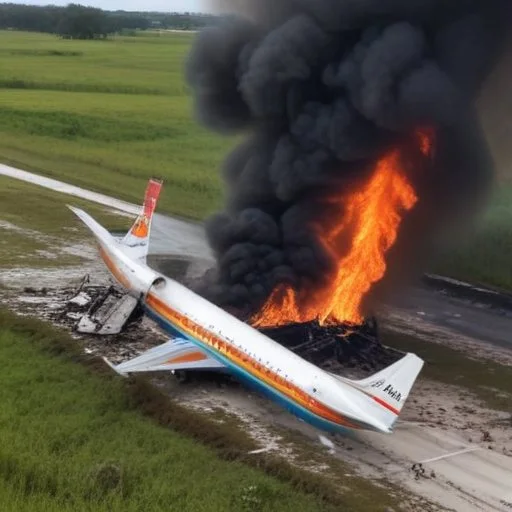
The crash of Flight 592 was caused by a combination of human error and a catastrophic chemical reaction. In the cargo hold, a shipment of chemical oxygen generators, designed for use in emergency medical situations, was improperly handled and stored. These generators, which produce oxygen as a byproduct of a chemical reaction, were not properly packaged or protected, and they began to ignite, spreading a fire that rapidly spread throughout the cargo hold.
The following is a timeline of the events surrounding the crash of ValuJet Airlines Flight 592:
The crash of Flight 592 led to a comprehensive investigation by the National Transportation Safety Board (NTSB), which identified the improperly handled chemical oxygen generators as the cause of the fire. The investigation also revealed a number of safety lapses and oversights on the part of ValuJet Airlines, including inadequate training and procedures for handling hazardous materials.
The crash of Flight 592 led to significant changes in the aviation industry, including the implementation of stricter regulations and guidelines for the transportation of hazardous materials. It also led to the development of new safety procedures and protocols for handling emergency situations.
The crash of ValuJet Airlines Flight 592 had a number of significant outcomes and impacts, including:
The crash of ValuJet Airlines Flight 592 was a tragic event that highlighted the importance of safety and security in the aviation industry. It led to significant changes and improvements in the way hazardous materials are transported and handled, and it serves as a reminder of the importance of proper training and oversight in ensuring the safety of passengers and crew.
The crash of ValuJet Airlines Flight 592 is often cited as a turning point in the historiography of aviation safety. Prior to the incident, the primary focus of safety regulations was on pilot error and mechanical failure. However, the ValuJet crash highlighted the importance of cargo handling and transportation of hazardous materials.
Studies have shown that the crash led to a shift in the way historians approach the study of aviation disasters, with a greater emphasis on the role of human factors and systemic failures.
In the years following the crash, historians and researchers have re-examined other aviation disasters, re-evaluating the causes and consequences of these events in light of new evidence and insights.
The crash of ValuJet Airlines Flight 592 had significant economic implications for the airline industry as a whole. In the aftermath of the disaster, ValuJet Airlines was forced to cease operations, resulting in the loss of thousands of jobs and millions of dollars in revenue.
The incident also led to a decrease in consumer confidence in the airline industry, resulting in decreased ticket sales and revenue for other airlines.
However, the crash also spurred investment in safety research and development, leading to the creation of new safety protocols and technologies that have since become industry standards.
The crash of ValuJet Airlines Flight 592 had a profound impact on American culture, leading to a renewed focus on safety and security in the aviation industry.
The incident was widely covered in the media, with graphic images of the crash site and haunting stories of the victims and their families.
The tragedy also led to a shift in public perception of air travel, with many Americans becoming more cautious and aware of the risks involved in flying.
In the years following the crash, popular culture reflected this shift, with films and television shows featuring storylines centered around air travel safety and security.
The crash of ValuJet Airlines Flight 592 led to significant advances in safety technology, particularly in the area of cargo handling and transportation of hazardous materials.
In response to the incident, the Federal Aviation Administration (FAA) developed new regulations and guidelines for the safe transportation of hazardous materials, including the use of specialized containers and packaging.
The incident also spurred the development of new fire suppression systems and emergency oxygen generators, which have since become standard equipment on commercial aircraft.
The National Transportation Safety Board's (NTSB) investigation into the crash of ValuJet Airlines Flight 592 recovered a number of key artifacts, including the aircraft's cockpit voice recorder and flight data recorder.
These artifacts provided critical evidence in the investigation, allowing researchers to reconstruct the events leading up to the crash.
The NTSB's report on the incident also included extensive documentation of the aircraft's maintenance and inspection records, as well as transcripts of interviews with ValuJet Airlines personnel.
These documents have since been studied by researchers and historians, providing valuable insights into the causes and consequences of the crash.