


Marilyn Monroe, the blonde bombshell who captivated audiences with her iconic film roles and dazzling looks, was found dead in her Brentwood home on August 5, 1962. The 36-year-old actress, known for her starring roles in Gentlemen Prefer Blondes and How to Marry a Millionaire, had succumbed to a self-administered overdose of barbiturates and amphetamines, leaving behind a legacy of glamour and a haunting sense of what could have been.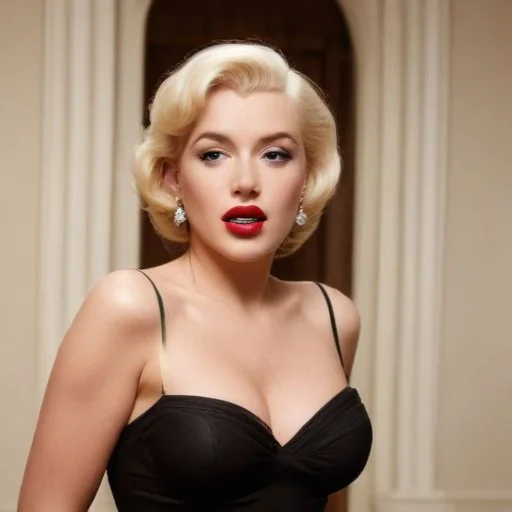
Marilyn Monroe's life was a whirlwind of contradictions - a mixture of vulnerability and strength, tragedy and triumph. Born Norma Jeane Mortenson, Monroe rose from humble beginnings to become a Hollywood legend, but her rise to stardom was marred by struggles with addiction, depression, and a tumultuous personal life.
Despite her troubled past, Monroe's on-screen presence was undeniably captivating. Her wispy voice, signature curls, and seductive charm made her a household name, and her films continue to entertain audiences to this day. However, behind the curtains, Monroe's life was a complex web of insecurities, relationships, and dependencies that ultimately led to her downfall.
The evening of August 4, 1962, was like any other in Monroe's life - a chaotic mix of pills, drinks, and desperate attempts to find solace. Her housekeeper, Eunice Murray, had discovered Monroe unresponsive in her bedroom, with a collection of prescription bottles scattered around her. A frantic call to Dr. Hyman Engelberg, Monroe's physician, and subsequent attempts to revive her proved futile. The Los Angeles County Coroner's office later concluded that Monroe's death was a result of acute barbiturate poisoning, which was likely self-administered.
Marilyn Monroe's death sent shockwaves through the film industry, leaving fans and colleagues alike in a state of mourning. Her funeral, attended by countless celebrities and admirers, was a poignant reminder of the fragility of life and the transience of fame. In the years that followed, Monroe's legend grew, and she became an enduring symbol of Hollywood glamour, American pop culture, and the fleeting nature of celebrity.
Today, Monroe's legacy extends far beyond her filmography. She remains an icon of femininity, empowerment, and vulnerability, inspiring generations of actresses, musicians, and artists. Her tragic demise serves as a cautionary tale about the dangers of addiction and the pressures of fame, but it also underscores the indelible mark she left on the world of entertainment.
"I'm selfish, impatient and a little insecure. I make mistakes, I am out of control and at times hard to handle. But if you can't handle me at my worst, then you sure as hell don't deserve me at my best."
"Hollywood is a place where they'll pay you a thousand dollars for a kiss and fifty cents for your soul."
"I'm not interested in money. I just want to be wonderful."
Marilyn Monroe's impact on popular culture is immeasurable. She has inspired countless fashion designers, artists, and musicians, including Andy Warhol, Madonna, and Lady Gaga. Her films continue to entertain audiences worldwide, and her image remains an enduring symbol of femininity and glamour.
Marilyn Monroe's impact on popular culture extends beyond her films. She has inspired numerous fashion trends, from her iconic blonde hair to her signature red lipstick. Designers such as Versace and Dior have credited Monroe as an inspiration for their designs. Moreover, Monroe's fashion sense has been emulated by countless celebrities, including Lady Gaga and Madonna, who have often incorporated elements of Monroe's style into their own fashion choices.
In addition to fashion, Monroe's influence can be seen in music, with many artists referencing her in their songs or using her image in their music videos. Monroe's cultural significance is a testament to her enduring appeal and influence on popular culture.

Eunice Murray, Monroe's housekeeper, played a crucial role in Monroe's life, often serving as a confidante and caretaker. Murray was one of the last people to see Monroe alive and was the one who discovered her unresponsive body. Murray's testimony was instrumental in the investigation into Monroe's death, providing valuable insights into Monroe's final days.
Murray's relationship with Monroe was complex, with some describing it as maternal, while others saw it as exploitative. Regardless, Murray remained fiercely loyal to Monroe, even after her death, and continued to speak publicly about their time together.
The investigation into Monroe's death was extensive, with the Los Angeles County Coroner's office conducting a thorough autopsy and inquiry. The coroner's report concluded that Monroe's death was a result of acute barbiturate poisoning, likely self-administered. The report also noted that Monroe had a history of addiction and depression, which may have contributed to her tragic demise.
The police report, including statements from witnesses and evidence collected at the scene, provides a detailed account of the events surrounding Monroe's death. These documents offer a glimpse into the circumstances leading up to Monroe's passing and have been studied by scholars and forensic experts.

Marilyn Monroe's life and death have often been compared to that of Judy Garland, another Hollywood legend who struggled with addiction and personal demons. Both women were stars of the silver screen, known for their incredible talent and captivating on-screen presence. However, both women also struggled with the pressures of fame and the scrutiny of the public eye.
Like Monroe, Garland died tragically young, succumbing to an accidental overdose of barbiturates at the age of 47. Both women's deaths serve as cautionary tales about the dangers of addiction and the pressures of fame.
Historians and scholars have grappled with the complexities of Marilyn Monroe's life and legacy, interpreting her story through various lenses. Some have viewed Monroe as a symbol of female empowerment, using her sexuality and charm to navigate the patriarchal Hollywood system. Others have seen Monroe as a victim of her circumstances, trapped in a cycle of addiction and abuse.
Regardless, Monroe's life and death have become a Rorschach test for our own cultural anxieties and fears, reflecting our societal attitudes towards gender, power, and celebrity. By examining Monroe's life through these different perspectives, we can gain a deeper understanding of the cultural context in which she lived and died.