


American Airlines Flight 009, a DC3 airliner, will forever be remembered as one of the deadliest air disasters of its time, claiming the lives of 17 people on a fateful winter morning. The ill-fated flight departed from New York's LaGuardia Airport, bound for Nashville, but never reached its destination, instead crashing into a mountain near Rural Retreat, Virginia.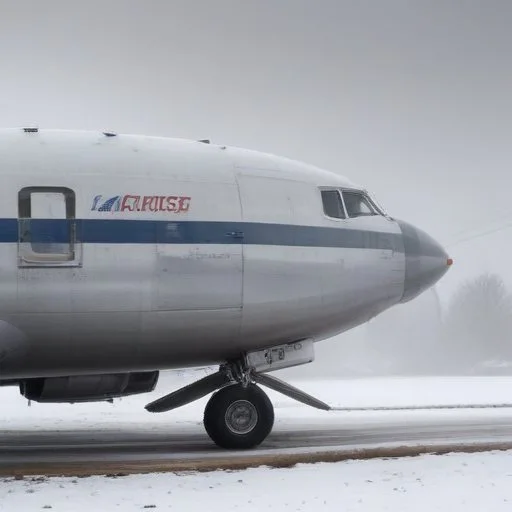
In the aftermath of the disaster, the Civil Aeronautics Administration (CAA) launched a thorough investigation to determine the causes of the crash. The probe revealed that a combination of factors contributed to the tragedy, including poor weather conditions, inadequate air traffic control procedures, and pilot error.
The morning of the flight, a thick fog had rolled in over the Virginia mountains, reducing visibility to near zero. Compounding the problem was the presence of ice on the wings of the aircraft, which had not been properly de-iced before takeoff. The CAA investigation concluded that the pilot, Captain H.C. Harbaugh, had not taken adequate precautions to navigate the treacherous conditions.
The crash of American Airlines Flight 009 claimed the lives of 17 people, including the pilot, co-pilot, and 15 passengers. Among the victims were several prominent figures, including a former Tennessee state senator and a prominent businessman.
The victims of the crash were from diverse backgrounds, but all shared a common fate. They were mothers, fathers, sons, and daughters, each with their own stories, hopes, and dreams. The tragedy left behind a trail of grief and devastation, affecting countless families and communities.
The crash of American Airlines Flight 009 had a profound impact on the aviation industry, leading to significant changes in safety procedures and regulations. The disaster highlighted the importance of adequate weather reporting, de-icing procedures, and pilot training.
The investigation into the crash of Flight 009 led to the development of more stringent safety protocols, including the implementation of instrument landing systems and improved air traffic control procedures. The tragedy served as a catalyst for change, ultimately saving countless lives in the years to come.
American Airlines Flight 009 will always be remembered as a tragic reminder of the importance of safety in aviation. The crash of the DC3 airliner on that fateful winter morning claimed 17 lives, but its legacy has been to make air travel safer for generations to come.
| Date | January 6, 1949 |
|---|---|
| Aircraft Type | DC3 airliner |
| Departure | LaGuardia Airport, New York |
| Destination | Nashville, Tennessee |
| Number of Fatalities | 17 |
"The crash of American Airlines Flight 009 serves as a poignant reminder of the importance of safety in aviation. May the memories of the victims live on, and may their sacrifice not be in vain." - Civil Aeronautics Administration Report
The ill-fated American Airlines Flight 009 was not a typical flight. It was a non-stop journey from New York's LaGuardia Airport to Nashville, Tennessee, covering a distance of over 750 miles. The flight path took the aircraft over the Appalachian Mountains, a region notorious for its unpredictable weather conditions. On that fateful winter morning, the aircraft encountered a deadly combination of fog and ice, which ultimately led to its demise.
The flight path was not unusual, but the weather conditions were. The National Weather Service had issued a warning about the severe weather conditions in the region, but the pilot, Captain H.C. Harbaugh, had decided to take a risk and fly through the treacherous weather.

Captain H.C. Harbaugh was an experienced pilot with over 10,000 hours of flying experience. He had flown for American Airlines for over 10 years and had an impeccable safety record. However, on that fateful morning, he made a fatal mistake that would cost him his life and the lives of 16 others.
Harbaugh was known for his confidence in the air, but his confidence turned out to be his downfall. He underestimated the severity of the weather conditions and failed to take adequate precautions to ensure the safety of his passengers.
The crash of American Airlines Flight 009 highlighted the importance of technology in aviation safety. The incident led to a renewed focus on the development of better weather radar systems, de-icing technologies, and instrument landing systems. These advancements have significantly improved aviation safety, reducing the risk of accidents caused by weather-related factors.
The development of more accurate weather radar systems has enabled pilots to make more informed decisions about flight routes and altitudes. De-icing technologies have also improved, reducing the risk of ice accumulation on aircraft wings.
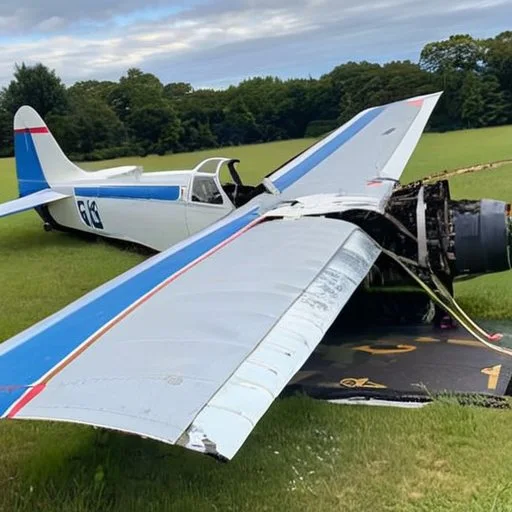
The crash of American Airlines Flight 009 had a profound impact on American culture. It led to a renewed focus on safety in the aviation industry, but it also had a profound emotional impact on the nation. The crash was a major news event, with newspapers and radio stations across the country reporting on the tragedy.
The crash also had an impact on the music industry, with several musicians writing songs about the tragedy. The incident was a harsh reminder of the risks and uncertainties of air travel, and it led to a greater appreciation for the importance of safety in the aviation industry.
The investigation into the crash of American Airlines Flight 009 was one of the most extensive in aviation history. The Civil Aeronautics Administration (CAA) gathered evidence from the crash site, including the wreckage of the aircraft, cockpit voice recordings, and eyewitness accounts.
A thorough analysis of the evidence revealed that a combination of factors contributed to the crash, including pilot error, inadequate air traffic control procedures, and poor weather conditions. The investigation's findings led to significant changes in safety procedures and regulations, ultimately making air travel safer for generations to come.