


On a fateful day in May 1979, American Airlines Flight 191 became synonymous with tragedy when it crashed during takeoff at O'Hare International Airport in Chicago, claiming the lives of all 271 passengers and crew on board, as well as two people on the ground. This devastating incident would go on to become the deadliest plane crash in U.S. history, leaving a lasting impact on the aviation industry.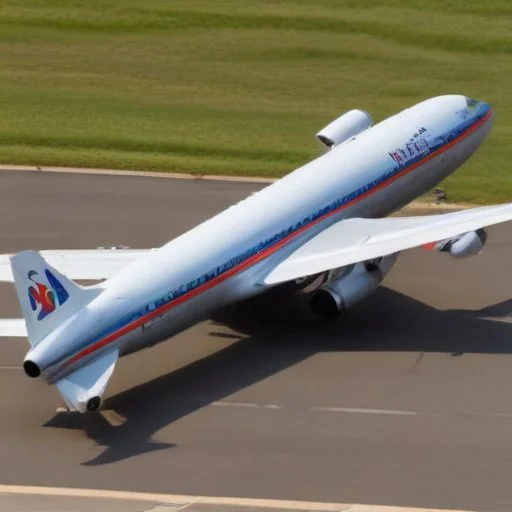
The McDonnell Douglas DC10, a behemoth of a plane, was preparing to take off from Chicago's O'Hare International Airport bound for Los Angeles International Airport when disaster struck. At 3:04 pm on May 25, 1979, the plane's engine ripped off during takeoff, causing the aircraft to veer out of control and crash into a nearby field. The impact was catastrophic, with debris scattered across the area and a massive fire engulfing the wreckage.
The National Transportation Safety Board (NTSB) launched an extensive investigation into the crash, which would eventually reveal a combination of human error and design flaws as the root causes of the tragedy. It was discovered that the engine separation was due to improper maintenance procedures, including the removal of a vital component during maintenance. Furthermore, the design of the DC10's engine pylon was found to be flawed, making it prone to separation during takeoff.
The crash of American Airlines Flight 191 sent shockwaves throughout the aviation industry, prompting a major overhaul of safety procedures and regulations. The incident led to a significant increase in safety inspections and the implementation of more stringent maintenance protocols. The crash also led to the development of more stringent safety standards for aircraft design and testing.
The tragedy of American Airlines Flight 191 serves as a stark reminder of the importance of safety in the aviation industry. The incident has been extensively studied by aviation experts and has led to numerous safety improvements, ultimately saving countless lives over the years. The crash will always be remembered as a somber reminder of the devastating consequences of human error and design flaws.
The victims of American Airlines Flight 191 will never be forgotten. Their lives were cut short in an instant, leaving behind grieving families and loved ones. Today, we honor their memories by striving to improve aviation safety and ensure that such tragedies never happen again.
| Date | Event |
|---|---|
| May 25, 1979 | American Airlines Flight 191 crashes during takeoff at O'Hare International Airport, Chicago |
| 1979-1980 | NTSB investigation and report |
| 1980s | Safety improvements and regulatory changes implemented |
The crash of American Airlines Flight 191 shares eerie similarities with the 1974 Turkish Airlines Flight 981 crash, which occurred just five years prior. Both incidents involved a McDonnell Douglas DC10 and engine separation during takeoff, resulting in catastrophic consequences. Despite these similarities, the NTSB investigation into Flight 191 revealed distinct causes, highlighting the complexity of aviation safety. Compare this to the 1977 Tenerife airport disaster, where two Boeing 747s collided on a runway, resulting in 583 deaths. These tragic events serve as reminders of the importance of ongoing safety improvements and regulatory changes in the aviation industry.
The DC10's design flaws and maintenance failures that contributed to the crash of American Airlines Flight 191 led to a major overhaul of aircraft design and testing protocols. The incident prompted the development of more robust safety standards, including enhanced engine pylon design and more stringent maintenance procedures. These advances have since been applied to subsequent aircraft models, greatly reducing the risk of similar crashes. The tragedy also spurred the development of more sophisticated safety inspection technologies, further safeguarding the skies.
The crash of American Airlines Flight 191 had far-reaching economic consequences, including a significant decline in air travel demand and a substantial increase in insurance premiums for airlines. The incident resulted in an estimated $1.5 billion in damages and legal claims, a staggering amount at the time. In the long term, the crash led to increased investment in safety measures, ultimately benefiting the aviation industry as a whole.
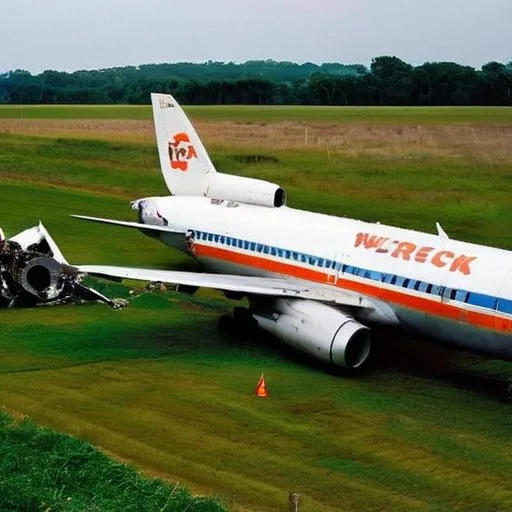
Historians and aviation experts have extensively studied the crash of American Airlines Flight 191, exploring its significance in the broader context of aviation history. The incident marked a turning point in the industry's approach to safety, prompting a shift towards more proactive and preventative measures. The crash has also been examined through the lens of human error, highlighting the importance of crew resource management and maintenance team communication.
The crash of American Airlines Flight 191 had a profound impact on the public's perception of air travel, leading to widespread fear and anxiety. The tragedy spawned a wave of safety concerns, with many questioning the reliability of commercial aviation. In response, airlines and regulatory bodies launched targeted public awareness campaigns, aimed at reassuring the public of the industry's commitment to safety.