


In the tumultuous aftermath of World War I, as the United States grappled with the echoes of war and the tremors of social change, a beacon of hope emerged to safeguard the country's most precious freedoms. On January 19, 1920, the American Civil Liberties Union (ACLU) was founded, dedicated to defending the fundamental rights of every individual, regardless of creed, color, or conviction.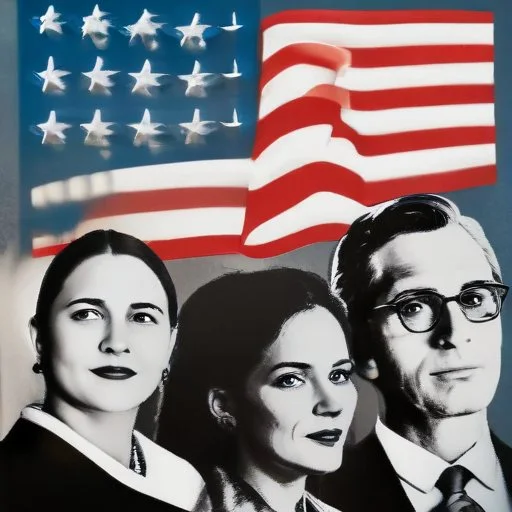
The post-war era was marked by a swell of nationalism, xenophobia, and repression. The government, still reeling from the war effort, sought to clamp down on dissent and perceived threats to national security. It was against this backdrop of fear and intolerance that the ACLU was born, its founders driven by a fierce determination to protect the civil liberties enshrined in the Constitution.
At the helm of this pioneering organization stood three visionaries: Roger Baldwin, Crystal Eastman, and Albert DeSilver. Baldwin, a lifelong advocate for social justice, would become the ACLU's first executive director, guiding the organization through its formative years. Eastman, a trailblazing lawyer and activist, brought her expertise in labor law and women's rights to the table. DeSilver, a seasoned journalist, provided the ACLU with a critical link to the press, ensuring that the organization's message would resonate with the wider public.
The ACLU's founding mission was clear: to defend freedom of speech, religion, and assembly, and to protect the rights of marginalized communities. This bold mandate would propel the organization into the heart of some of the most contentious battles of the 20th century, from racial segregation to women's suffrage, and from freedom of the press to the rights of the LGBTQ+ community.
Today, the ACLU remains a powerful force for social change, an unwavering defender of individual rights and liberties. Its legacy can be seen in the landmark Supreme Court decisions it has shaped, the lives it has transformed, and the countless battles it has waged on behalf of those who would otherwise be silenced or forgotten. As a beacon of hope in a world still grappling with the complexities of freedom and justice, the ACLU continues to inspire generations of activists, advocates, and ordinary citizens, reminding us that the struggle for civil liberties is never truly won, but always worth fighting for.
"The defense of our liberties is not a partisan issue, it's an American issue." - Roger Baldwin
"Civil liberties are not a gift from the government, they are a gift from God." - Crystal Eastman
The ACLU's commitment to civil liberties has inspired similar organizations around the world, from the Canadian Civil Liberties Association to the UK's Liberty. As a global leader in the fight for human rights, the ACLU continues to collaborate with international partners, sharing its expertise and experience to promote freedom and justice worldwide.
In the ACLU's archives, a treasure trove of personal stories waits to be told – stories of courage, perseverance, and defiance in the face of overwhelming odds. From the brave men and women who dared to challenge the status quo to the unsung heroes who worked behind the scenes, these testimonials remind us that the ACLU's legacy is built on the sweat, tears, and triumphs of countless individuals, each one a beacon of hope in the struggle for human rights.
As the ACLU looks to the future, it does so with a keen awareness of the challenges that lie ahead. In an era of rising nationalism, eroding civil liberties, and deepening social divisions, the organization's mission has never been more critical. Will the ACLU continue to thrive, adapting to the complexities of a rapidly changing world? Only time will tell, but one thing is certain – the fight for freedom and justice will never be won, and the ACLU will remain at the forefront of that struggle, a guardian of liberty, a champion of the marginalized, and a beacon of hope for generations to come.
Roger Baldwin: The Unwavering Advocate
Roger Baldwin, the ACLU's first executive director, was a man of unshakeable conviction. With a career spanning over four decades, he dedicated his life to fighting for social justice and human rights. Born into a family of modest means, Baldwin's early years were marked by hardship and struggle, shaping his empathetic nature and commitment to marginalized communities.
As a young man, Baldwin enlisted in the army during World War I, only to be court-martialed for his vocal opposition to the war effort. This experience galvanized his resolve to defend civil liberties, and he went on to play a pivotal role in shaping the ACLU's mission and strategy.
Baldwin's leadership was marked by his ability to bring together disparate groups and individuals, forging powerful alliances that would prove crucial in the decades-long struggle for human rights.

The Rise of Nationalism and Xenophobia
In the aftermath of World War I, the United States was gripped by a wave of nationalism and xenophobia. The government, fearing subversion and foreign influence, clamped down on dissent and perceived threats to national security.
This climate of fear and intolerance gave rise to anti-immigrant sentiment, resulting in the passage of laws like the 1924 Immigration Act, which severely restricted immigration from certain countries.
Against this backdrop, the ACLU emerged as a beacon of hope, determined to defend the civil liberties of all individuals, regardless of their national origin or political beliefs.
Challenging the Status Quo: The ACLU's Role in Social Change
The ACLU's commitment to social change was evident in its early campaigns, which targeted issues like racial segregation, labor rights, and women's suffrage.
By challenging unjust laws and practices, the ACLU played a critical role in shaping the social and political landscape of the United States.
Through its tireless advocacy, the organization helped to create a more just and equitable society, inspiring generations of activists and advocates to continue the fight for human rights.

The ACLU's Educational Legacy
The ACLU's impact on education has been profound, with the organization playing a key role in shaping the legal framework for education in the United States.
From challenging segregation in schools to defending the rights of students and teachers, the ACLU has been at the forefront of educational reform.
Through its advocacy and litigation, the ACLU has helped to create a more inclusive and equitable education system, promoting opportunities for all individuals, regardless of their background or circumstances.
The ACLU's Philosophical Underpinnings
The ACLU's commitment to civil liberties is rooted in a deep philosophical belief in the inherent value of individual freedom and human dignity.
Founded on the principles of liberalism and humanism, the organization's mission is informed by a strong moral and ethical framework, which emphasizes the importance of individual autonomy and the protection of minority rights.
Through its advocacy and activism, the ACLU has sought to translate these philosophical ideals into concrete legal and social reforms, shaping the course of American history and promoting a more just and equitable society.