


The Battle of Gettysburg, fought from July 1 to July 3, 1863, is widely regarded as a pivotal Union victory that marked a crucial turning point in the American Civil War. This bloody three-day battle, fought in and around the town of Gettysburg, Pennsylvania, resulted in over 50,000 casualties and forced the retreat of General Robert E. Lee's Army of Northern Virginia, halting the Confederacy's second invasion of the North.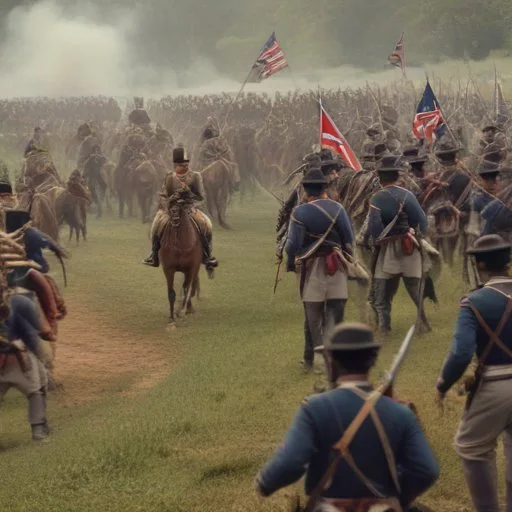
In the summer of 1863, Lee's Army of Northern Virginia, bolstered by a string of recent victories, marched into Pennsylvania, seeking to win a decisive battle on Union territory. The Union Army of the Potomac, led by General George Meade, had been tracking Lee's movements, and the two armies clashed in the rolling hills and fields around Gettysburg.
General Robert E. Lee, commander of the Army of Northern Virginia, was a skilled and seasoned military leader who had won numerous battles against the Union. General George Meade, commander of the Army of the Potomac, was a less well-known but equally capable leader who would ultimately emerge victorious at Gettysburg. Other key figures included General John Buford, who led the Union cavalry and played a crucial role in the battle's early stages, and General George Pickett, who led the ill-fated Confederate charge on the third day of fighting.
The Battle of Gettysburg had far-reaching consequences for both the Union and the Confederacy. The defeat at Gettysburg marked a turning point in the war, as Lee's Army of Northern Virginia never fully recovered from the loss. The Union victory also boosted morale and paved the way for the ultimate defeat of the Confederacy.
The Battle of Gettysburg has had a profound impact on American culture and society. The battle has been immortalized in literature, art, and film, and its legacy continues to shape American identity and values. The Gettysburg Address, delivered by President Abraham Lincoln during the battle's aftermath, is one of the most famous speeches in American history.
The Battle of Gettysburg has been the subject of ongoing historical debate and controversy. Some historians have questioned Lee's decision to launch the ill-fated Pickett's Charge, while others have argued that Meade failed to pursue and destroy Lee's army in the battle's aftermath.
"We here highly resolve that these dead shall not have died in vain, that this nation, under God, shall have a new birth of freedom—and that government of the people, by the people, for the people, shall not perish from the earth." - Abraham Lincoln, Gettysburg Address
The Battle of Gettysburg marked a crucial turning point in the American Civil War, paving the way for the ultimate defeat of the Confederacy. The battle's legacy continues to shape American history, politics, and culture, serving as a powerful symbol of freedom, sacrifice, and unity.
The bravery and sacrifice of the soldiers who fought at Gettysburg continue to inspire Americans to this day. The battle's legacy serves as a powerful reminder of the importance of standing up for what is right, even in the face of overwhelming odds.
The Battle of Gettysburg was a pivotal moment in American history, marking a turning point in the Civil War and shaping the course of the nation's future. Its legacy continues to inspire and educate Americans to this day, serving as a powerful reminder of the importance of freedom, sacrifice, and unity.
The lead-up to the Battle of Gettysburg was marked by a series of skirmishes and battles as Lee's Army of Northern Virginia marched into Pennsylvania. One of the most significant of these was the Battle of Brandy Station, fought on June 9, 1863, which saw Union cavalry under General Alfred Pleasonton clash with Confederate cavalry under General Jeb Stuart. Although the battle was tactically inconclusive, it gave the Union Army valuable intelligence on Lee's movements and intentions.
In the days that followed, Lee's army continued its march, with the Union Army tracking its movements from a distance. On June 28, 1863, Lee's army crossed the Potomac River, entering Pennsylvania and sparking a wave of panic in the North. The stage was set for a major battle, and both armies were aware that the fate of the war hung in the balance.
As the two armies clashed at Gettysburg, the fighting was intense and chaotic. The Battle of Gettysburg was a pivotal moment in the war, but it was also a complex and multifaceted event that involved numerous units, commanders, and battles within the larger battle. Understanding the lead-up to the battle, as well as the various skirmishes and engagements that took place during the three days of fighting, is essential to grasping the full significance of the Battle of Gettysburg.

General John Buford, commander of the Union cavalry, played a crucial role in the early stages of the Battle of Gettysburg. Born in Kentucky in 1826, Buford graduated from West Point in 1848 and went on to serve in the Mexican-American War and the Indian Wars. When the Civil War broke out, Buford joined the Union Army and quickly distinguished himself as a skilled and daring cavalry commander.
Buford's cavalry was instrumental in delaying the Confederate advance on the first day of the battle, giving the Union infantry time to establish defensive positions on high ground. His leadership and tactical genius also played a key role in the Union victory on the second day, as he worked closely with infantry commanders to outmaneuver and outflank the Confederate forces.
Despite his significant contributions to the Union victory, Buford's role in the Battle of Gettysburg is often overshadowed by more famous commanders like Lee and Meade. However, his bravery, leadership, and tactical skill were essential to the Union Army's success, and he remains one of the most important and fascinating figures of the battle.
The Battle of Gettysburg has had a profound impact on American culture and society. The battle has been immortalized in countless works of literature, art, and film, from Michael Shaara's Pulitzer Prize-winning novel The Killer Angels to the iconic 1993 film Gettysburg, directed by Ronald F. Maxwell.
The battle has also inspired countless works of music, from traditional folk songs to contemporary rock and pop. The Gettysburg Address, delivered by President Abraham Lincoln during the battle's aftermath, is one of the most famous speeches in American history, and its phrases and imagery continue to resonate with Americans to this day.
Perhaps most significantly, the Battle of Gettysburg has become a powerful symbol of American values and ideals. The battle is often seen as a testament to the bravery and sacrifice of American soldiers, as well as a reminder of the importance of unity and perseverance in the face of adversity. As such, it continues to inspire and educate Americans, serving as a powerful reminder of the importance of standing up for what is right.
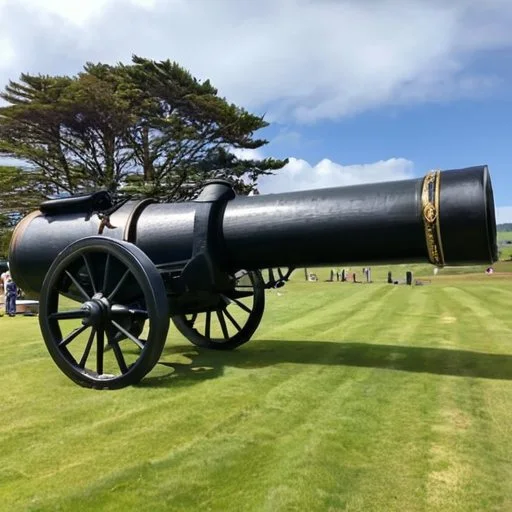
The Battle of Gettysburg had significant economic impacts on the surrounding region and the nation as a whole. The battle itself caused widespread destruction and devastation, with many homes, farms, and businesses damaged or destroyed. The cost of rebuilding and reconstruction was immense, and it would take years for the local economy to recover.
In the longer term, the battle also had significant economic impacts on the Confederacy. The defeat at Gettysburg marked a turning point in the war, and it would ultimately contribute to the defeat of the Confederacy and the abolition of slavery. This had far-reaching economic implications, as the South was forced to transition from a slave-based economy to a free-labor economy.
Finally, the Battle of Gettysburg had significant economic impacts on the nation as a whole. The war effort required massive investments in infrastructure, manufacturing, and technology, which would ultimately help to spur economic growth and development in the decades that followed. The battle played a key role in this process, marking a turning point in the war and paving the way for the ultimate defeat of the Confederacy.
The Battle of Gettysburg took place in the context of a broader global struggle between imperial and nationalist powers. The American Civil War was closely watched by European powers, who saw it as a struggle between competing ideologies and systems of government.
In the years leading up to the war, the Confederate States of America had sought to establish diplomatic relations with European powers, hoping to gain recognition and support for their bid for independence. However, the British and French governments were wary of getting involved, fearing that support for the Confederacy would spark a broader conflict.
As the war dragged on, European powers began to take a more active interest. The British government, in particular, was torn between its moral opposition to slavery and its economic interests in the South. Ultimately, the British government would decline to intervene on behalf of the Confederacy, paving the way for the ultimate defeat of the South.